
Local Life · Food · Culture
To experience a different side of Sri Lanka, spend a little time exploring a local market. Between the colourful fruit stalls, freshly stacked vegetables and fragrant spices, you will discover a lively part of everyday island life.
Markets are where families buy ingredients for home cooking, shopkeepers arrange their produce and conversations unfold across busy stalls. You don’t need to buy anything to enjoy the atmosphere.
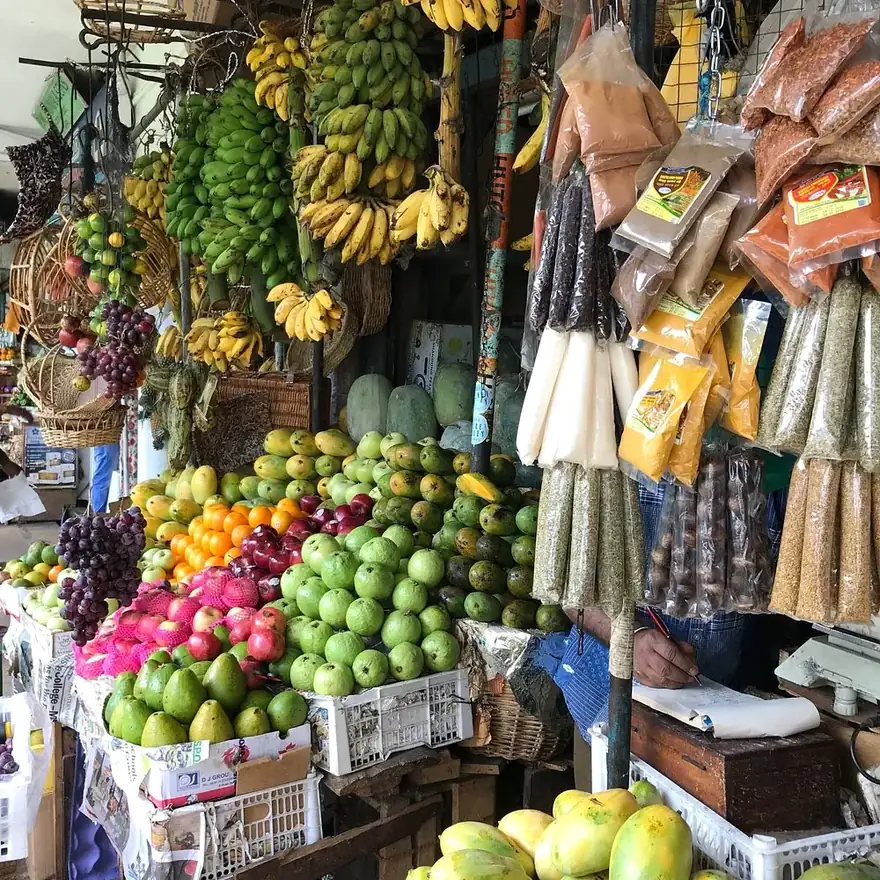
What Will You Find at a Local Market?
Every market has its own character, but much of the appeal lies in exploring the stalls and discovering ingredients that feature in Sri Lankan kitchens.
- Tropical Fruit: Look for bananas, papaya, pineapple, mangoes and seasonal favourites such as rambutan. Availability changes throughout the year.
- Fresh Vegetables: Discover brinjal (aubergine), okra, bitter gourd, pumpkin, leafy greens and other ingredients used in local curries.
- Spices and Tea: Shops may sell cinnamon, pepper, cardamom, cloves, curry powders and Ceylon tea in a variety of packages.
- Everyday Shopping: Some markets also have household goods, clothing and small snack stalls, giving you a glimpse of daily routines.
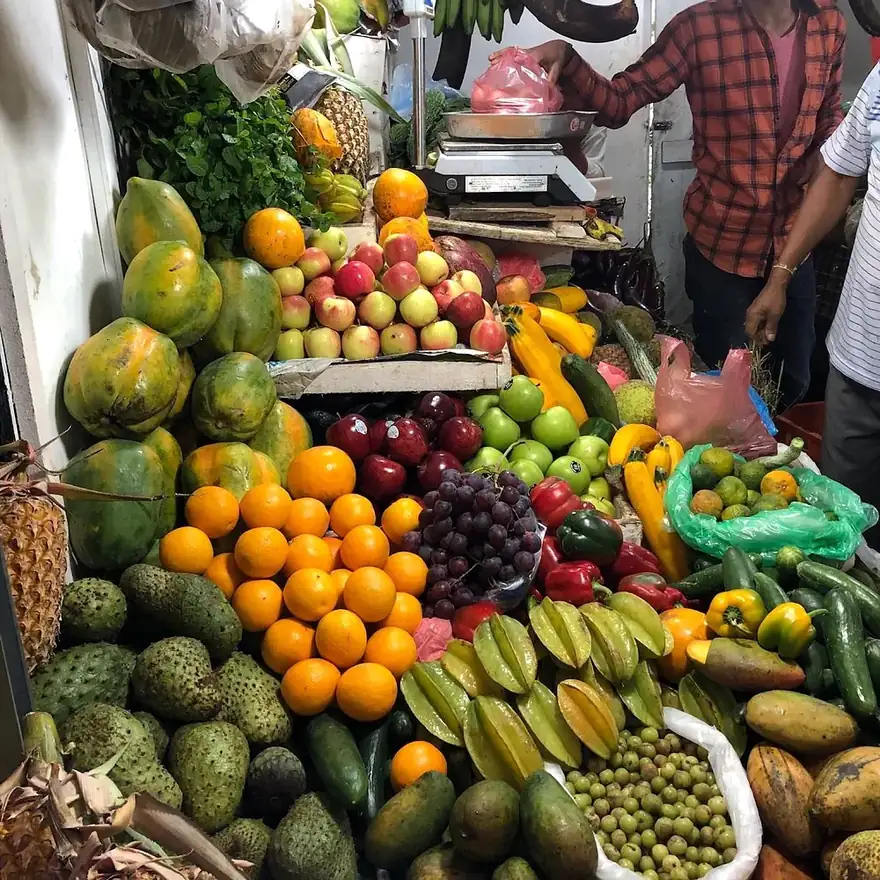
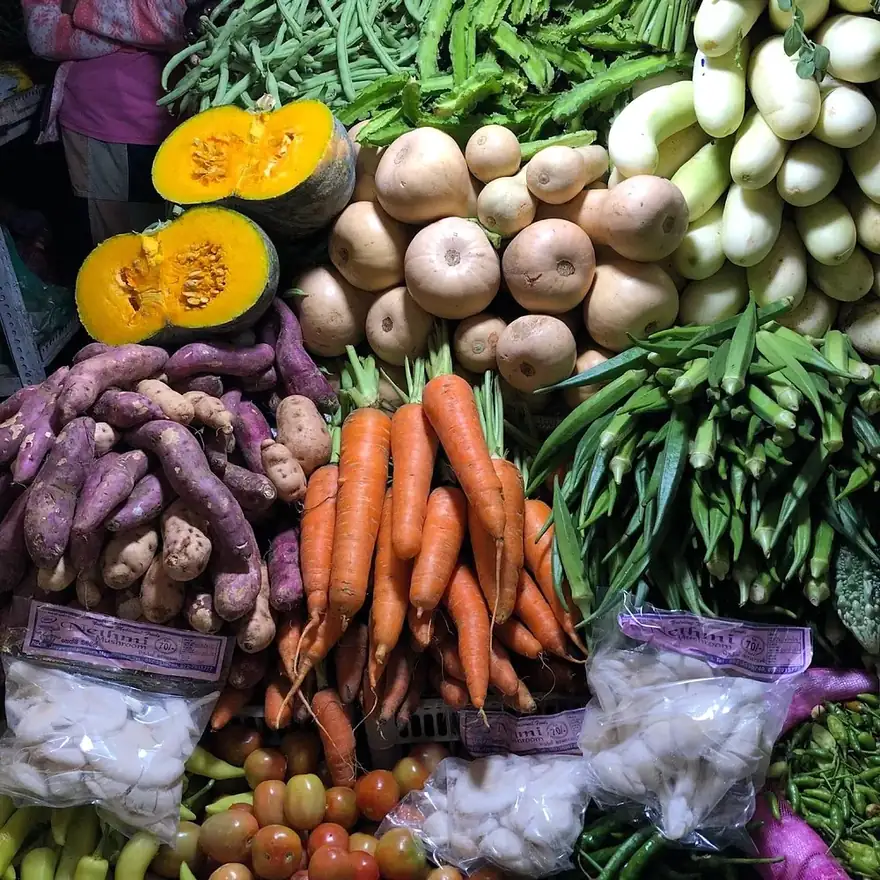
Where to Experience a Sri Lankan Market
Pettah Market in Colombo is well known for its energetic streets and wide mix of shops, from spices and textiles to everyday goods. It is ideal for travellers who enjoy busy urban environments.
Kandy Central Market is another option for browsing fruit, vegetables and spices while exploring the city. Smaller produce markets in towns across the island offer a more relaxed introduction to local shopping.
Markets vary in size and opening patterns. In general, mornings are a good time to see fresh produce being arranged and sold. Allow extra time in larger, crowded market areas.
Buying Spices, Tea and Small Souvenirs
Ceylon cinnamon, black pepper, curry spice mixes and tea make popular purchases. Compare package sizes and prices, and choose clearly labelled, sealed products if you plan to pack them for your journey home.
At shops selling souvenirs or unpriced goods, polite bargaining may be appropriate. Fresh produce and marked-price items are generally better bought at the quoted price.
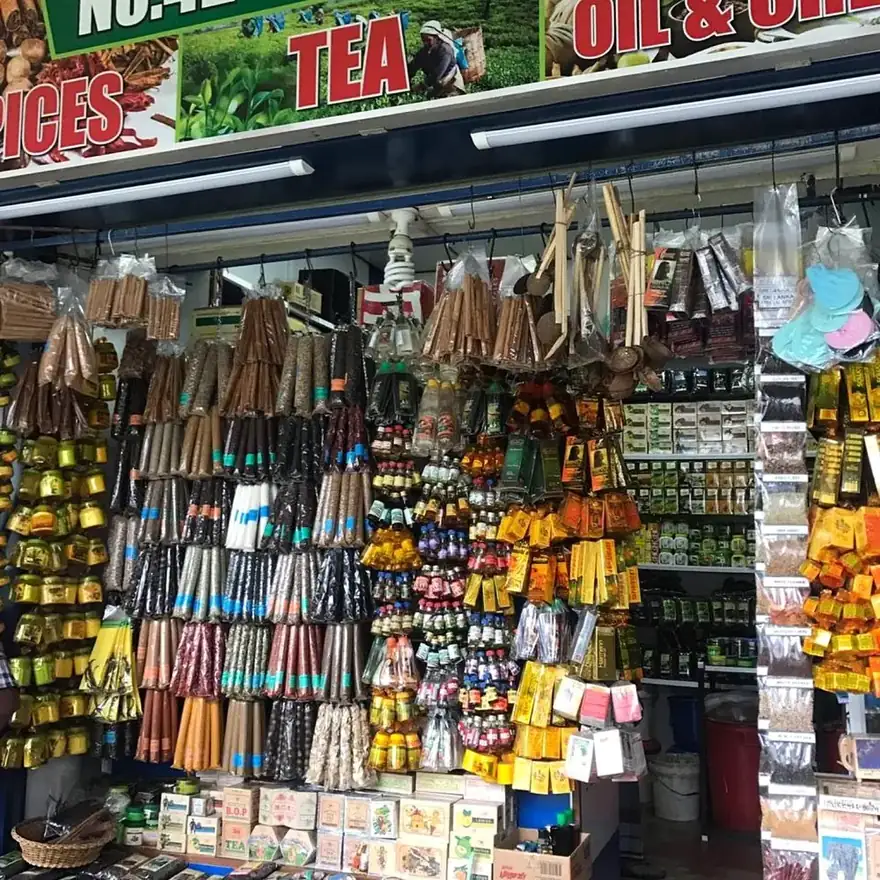
Taking Purchases Home: Check the customs and plant-product rules of your destination country before carrying fresh fruit, seeds or spices across borders.
Practical Tips for First-Time Visitors
- Carry Cash: Small stalls may not accept cards. Keep smaller Sri Lankan rupee notes handy.
- Ask Before Taking Portraits: A friendly request is the respectful way to photograph stallholders or shoppers.
- Wear Comfortable Shoes: Expect narrow passages, uneven surfaces and busy walkways, particularly in larger markets.
- Ask the Price First: Check whether fruit and vegetables are sold per piece, bunch or kilogram before purchasing.
- Choose Food Carefully: Select fruit you can peel yourself or that has been washed with safe drinking water. Choose freshly cooked snacks served hot.
- Respect the Working Environment: Keep walkways clear, avoid handling produce without asking and keep your belongings close in crowded areas.
Frequently Asked Questions
Are local markets free to visit?
Most ordinary public markets are free to browse. Guided visits and organised food experiences may have a separate charge.
What is the best time to visit a market?
Morning is a good choice for fresh produce and daily market activity. Opening times vary, and some stalls have reduced trading on Sundays and holidays.
Is bargaining expected?
It can be appropriate for souvenirs and some unpriced goods. For groceries or clearly marked prices, paying the stated amount is usually more suitable.
Can I take photographs inside the market?
Photography is often possible, but ask permission before photographing vendors or shoppers, and respect any restrictions displayed by the market.
Can I explore a market without a guide?
Yes. Many local markets are straightforward to explore independently. A guide can add context if you want to learn more about ingredients, food traditions or the surrounding area.
What are good market purchases to take home?
Packaged Ceylon tea and labelled spices are practical options, subject to your destination country’s customs rules. Fresh fruit and plant products may face restrictions.
A visit to a local market is a simple way to connect with everyday Sri Lanka. Take your time, enjoy the colours and conversations, and discover the ingredients behind the island’s food culture.