The Ella Rock hike is one of the most rewarding mountain walks in Sri Lanka’s Hill Country. Rising above the green valleys surrounding Ella, this popular viewpoint offers sweeping mountain scenery, tea-growing landscapes and an enjoyable sense of adventure for travellers who want more than a short sightseeing walk.
Unlike the relatively easy climb to Little Adam’s Peak, reaching Ella Rock involves a longer journey through local paths, tea-country surroundings and forest before a steeper ascent towards the summit. The changing landscape is part of the attraction, making the walk just as memorable as the views from the top.
However, Ella Rock requires preparation. Some trail junctions can be confusing, wet ground becomes slippery, and traditional approaches around Kithalella involve an active railway corridor. Choosing a suitable route, starting at the right time and understanding the terrain are essential for an enjoyable experience.
This complete Ella Rock hiking guide covers the trail, walking difficulty, navigation, local guides, sunrise, railway safety, weather, equipment and everything international travellers should know before setting out.
Location: Ella and Kithalella, Uva Province, Sri Lanka
Best for: Mountain hiking, panoramic views and landscape photography
Hiking duration: Approximately 4–5 hours for many visitors
Difficulty: Moderate to challenging
Distance: Varies by route; some common return walks are approximately 10 km
Best time: Early morning, preferably after first light
Sunrise: Possible with suitable preparation and an experienced guide
Guide: Recommended for visitors unfamiliar with the route, especially before dawn
Terrain: Local paths, tea-country tracks, forest and steep earth trails
Footwear: Walking shoes or hiking trainers with reliable grip
Important: Avoid walking along active railway tracks or taking unverified shortcuts
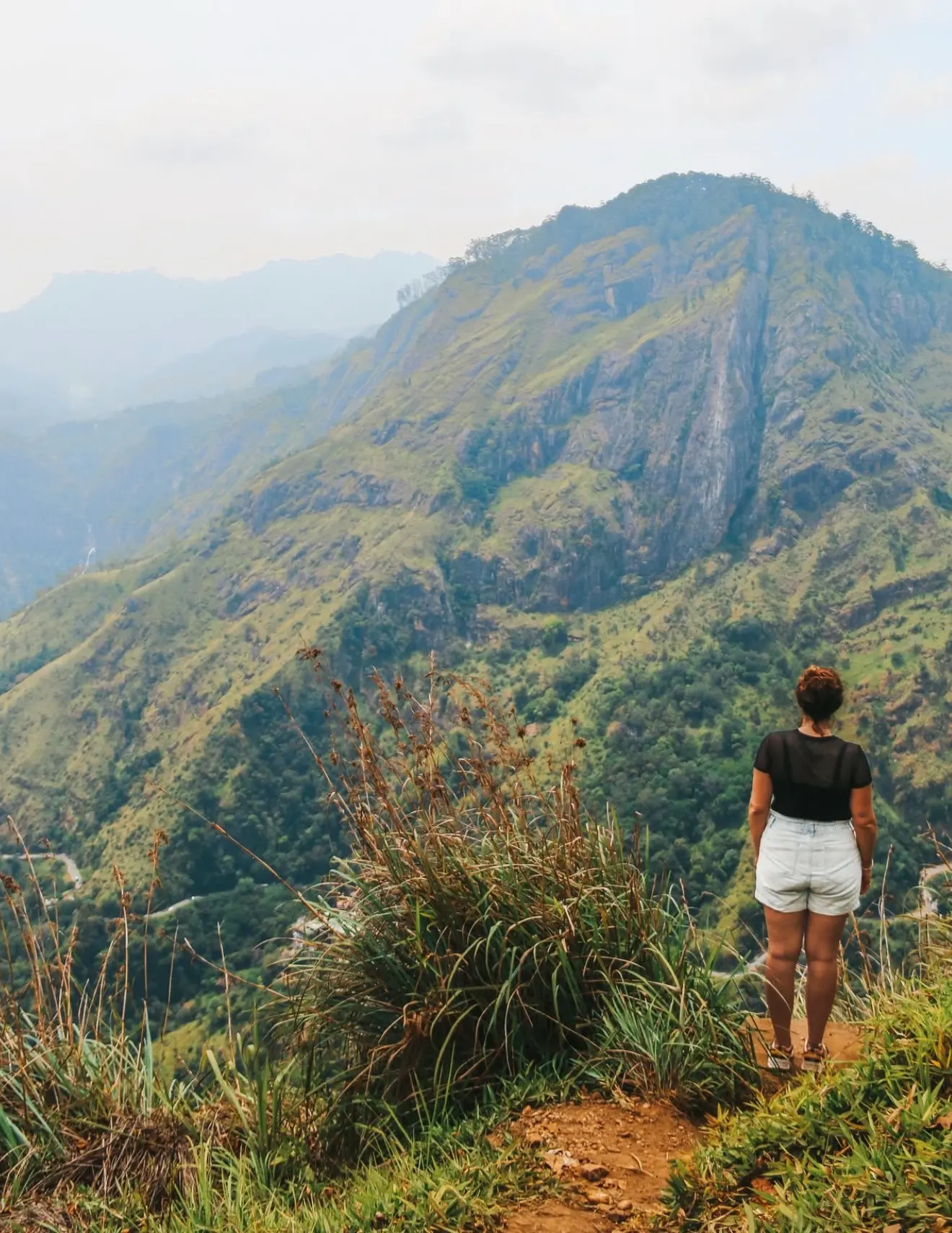
Panoramic ridgelines above Ella’s green valley
Discover the Ella Rock Hike
Ella Rock is one of the best-known hiking destinations in the beautiful mountain region surrounding Ella.
The viewpoint rises above the valley and offers impressive views of the surrounding hills, forests and tea-covered landscapes.
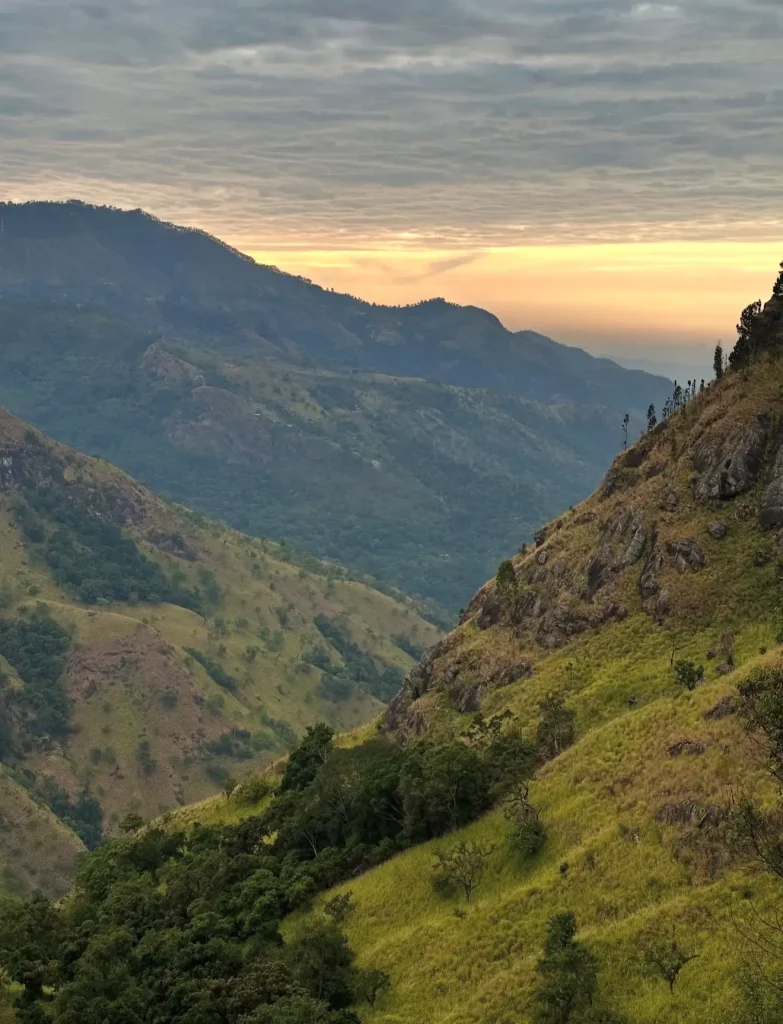
Photography: @juulllzzz/Instagram
What makes Ella Rock particularly rewarding is the variety of scenery encountered during the climb. Rather than following one short staircase to a viewpoint, hikers move through different environments as they approach the mountain.
The lower sections of common routes pass through the countryside around Kithalella, where railway scenery, local footpaths and tea-growing areas form part of the landscape.
Farther along, the terrain becomes more wooded before the final ascent leads towards the summit.
For visitors who enjoy spending several hours outdoors, Ella Rock provides a satisfying introduction to hiking in Sri Lanka’s central highlands.
Why Ella Rock Is Worth Hiking
Ella Rock offers a more substantial hiking experience than many of the shorter attractions around Ella.
The walk combines a sense of progression with constantly changing surroundings. The journey begins in an inhabited rural landscape before becoming increasingly focused on forest, hillsides and mountain scenery.
As the trail climbs, the surrounding valleys become more visible, revealing the scale of Ella’s dramatic landscape.
On clear mornings, the summit offers beautiful views across distant ridgelines and the famous Ella Gap.
The physical effort required to reach the viewpoint also adds to the experience. For many travellers, arriving at the top after a challenging climb is considerably more rewarding than simply reaching a viewpoint by vehicle.
Ella Rock is particularly suitable for visitors who enjoy hiking, photography and exploring natural landscapes at a slower pace.
Where Is Ella Rock Located?
Ella Rock is situated in the mountainous countryside near Ella, within Sri Lanka’s Badulla District in Uva Province.
The mountain is commonly approached from the Ella and Kithalella side, although different local paths and starting points are used.
Kithalella lies within the wider railway and tea-country landscape west of central Ella.
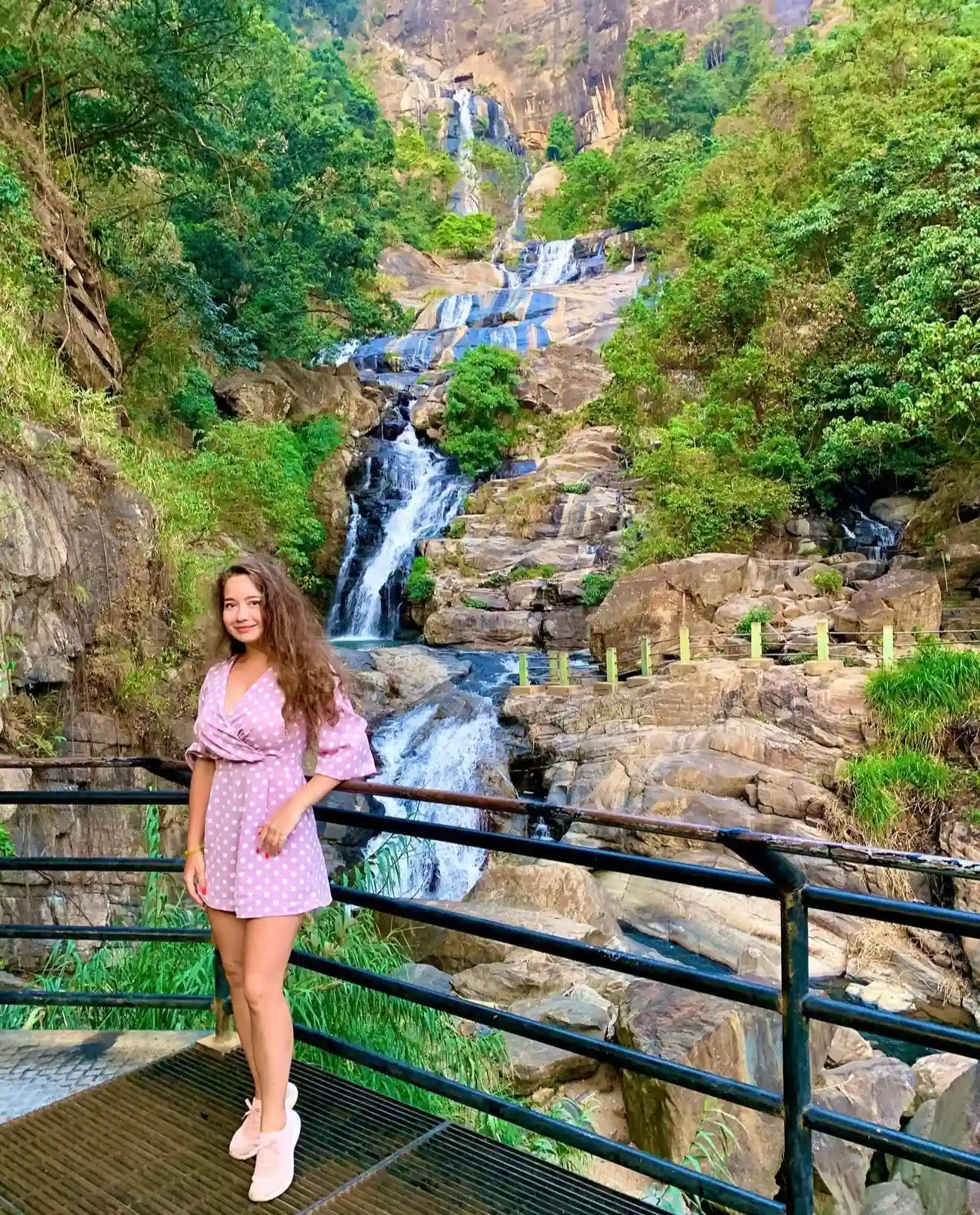
The summit rises above the surrounding valleys, providing views towards the mountains and areas associated with Ravana Falls and the Ella–Wellawaya Road.
Unlike Ravana Falls, which can be viewed directly from the roadside, Ella Rock requires a substantial walk to reach its main viewpoints.
Its location makes it accessible to travellers staying in Ella without needing an extensive road journey, although reaching the summit itself requires time and effort.
How Difficult Is the Ella Rock Hike?
Ella Rock is generally considered a moderate to challenging hike.
The route does not normally require technical climbing equipment, but it is considerably more demanding than an ordinary sightseeing walk.
The main challenges are the overall distance, uneven ground, changing gradients and the need to navigate correctly.
Some sections may be relatively gentle, allowing hikers to walk comfortably through the countryside.
Other sections become steeper, particularly as the route approaches the higher viewpoint.
After rain, mud and exposed roots can make the ascent and descent more challenging.
Travellers who regularly enjoy long countryside walks should find the hike manageable in suitable conditions, while those with limited hiking experience may prefer the support of a local guide.
Is Ella Rock Suitable for Beginners?
Ella Rock can be achievable for beginners with reasonable fitness, but it should not be treated as an effortless first hike.
Walking for several hours over uneven terrain requires stamina, suitable footwear and the ability to manage steep sections safely.
Navigation can also be challenging because the route is not always as straightforward as the paths to Ella’s shorter viewpoints.
Beginners are better suited to a daylight departure with favourable weather and clear local route guidance.
A local guide can make the experience more comfortable by helping with junctions, current access conditions and the most appropriate route.
If you rarely walk long distances or struggle with steep descents, consider your fitness carefully before attempting the hike.
How Long Does the Ella Rock Hike Take?
Most travellers should allow approximately four to five hours for the Ella Rock hiking experience.
The exact duration depends on the starting point, chosen route, fitness level, weather and time spent enjoying the summit.
Experienced hikers familiar with the route may complete the walk more quickly.
Other visitors may need additional time for rest stops, photography or navigating unfamiliar junctions.
Taking a wrong turn can add considerable distance, particularly around the lower paths near Kithalella.
The return journey also deserves adequate time. Descending steep sections on tired legs can be slower than expected, especially when the trail is wet.
Plan around a realistic walking pace rather than relying on the fastest completion times published online.
How Long Is the Ella Rock Trail?
The total distance of an Ella Rock hike depends on where you begin and which established route you follow.
Some commonly described return walks are approximately 10 kilometres, although the actual distance can differ.
Starting from accommodation in central Ella may add walking compared with beginning closer to a suitable trail access point.
Different approaches can also change the amount of climbing and the time required.
For this reason, distance alone does not give a complete picture of the hike’s difficulty.
The combination of steep terrain, navigation and weather is equally important.
Before setting out, confirm your intended starting point and return route with your accommodation or local guide.
Where Does the Ella Rock Trail Start?
Traditional routes to Ella Rock commonly approach the mountain through the countryside around Kithalella.
This area contains local footpaths, tea-growing land and railway infrastructure.
Different walking routes join the higher trails leading towards the mountain, and the most suitable starting point depends on current access conditions.
Some older route descriptions direct visitors along railway tracks. However, the railway is active and should not be treated as a designated pedestrian trail.
For a safer experience, ask a knowledgeable local guide or accommodation provider about a currently accessible off-track route.
Follow established public paths, respect private property and avoid relying on outdated instructions that may no longer reflect the ground conditions.
Understanding the Ella Rock Hiking Route
Although the exact route varies, the Ella Rock hike generally passes through several distinctive landscapes.
The lower approach is associated with the rural setting around Kithalella, where tea-country paths and local tracks connect different parts of the hillside.
As the route continues, sections of forest provide a change from the more open countryside.
The ground can become uneven, with exposed roots, compacted soil and steeper paths.
The final climb is more physically demanding, with an increasing gradient as hikers approach the main viewpoint.
Because junctions and access arrangements may change, hikers should use a current route rather than treating any old online map as permanently reliable.
The Tea-Country Sections of Ella Rock
One of the enjoyable aspects of Ella Rock is passing through the tea-growing landscape associated with Sri Lanka’s Hill Country.
Tea bushes, hillside tracks and surrounding greenery provide attractive scenery during the earlier parts of the walk.
These areas also reveal that Ella’s countryside is a working landscape rather than simply a tourism attraction.
Tea plantations and adjoining land may be privately owned or actively managed.
Stay on permitted paths and avoid walking through planted areas or damaging tea bushes.
If a route passes near homes or cultivated land, respect the privacy of local residents.
The countryside is part of the hiking experience, but access should always be approached responsibly.
The Forest and Final Climb
As the hike progresses towards Ella Rock, the route becomes more demanding.
Forest sections may provide welcome shade, particularly during warmer weather.
However, tree roots, loose soil and uneven surfaces require attention.
The final ascent is often the most tiring part of the hike because the gradient increases after visitors have already spent considerable time walking.
Take short breaks when needed and maintain a comfortable pace.
Avoid rushing to the summit simply because other hikers appear to be moving more quickly.
During wet weather, the same steep sections can be particularly challenging on the descent, so conserve sufficient energy for the return journey.
Do You Need a Guide for Ella Rock?
A guide is not essential for every experienced hiker, but hiring a knowledgeable local guide is recommended for visitors unfamiliar with the route.
Ella Rock has several confusing junctions, and traditional approaches around Kithalella require particular care because of nearby railway infrastructure.
A good local guide can help identify suitable paths, explain current access arrangements and choose a route appropriate to the group’s abilities.
Guidance becomes even more valuable during poor visibility or when starting before sunrise.
Independent hiking is better suited to travellers comfortable with navigation, changing trail conditions and longer mountain walks.
For visitors who prefer a straightforward experience, the cost of a competent guide may be worthwhile.
How to Choose a Local Hiking Guide
Look for a guide who knows the current Ella Rock routes and has recent experience leading visitors through the area.
Ask whether the guide uses established off-track paths and how railway hazards are avoided.
It is also sensible to discuss the expected duration, starting point and difficulty before agreeing to the hike.
For sunrise departures, confirm that the guide is familiar with navigating the route in darkness.
Ask about the total price, whether transport is included and whether the arrangement covers the return to your starting point.
Agree the complete guiding cost before setting out.
A knowledgeable guide should prioritise safe route selection rather than simply promising the fastest ascent.
Can You Hike Ella Rock Without a Guide?
Yes. Some travellers hike Ella Rock independently, particularly those with experience navigating mountain trails.
However, the route requires more preparation than Ella’s shorter, better-defined viewpoint walks.
Use an up-to-date offline map, confirm recent access conditions and identify the intended return route before leaving.
Do not rely entirely on mobile reception or follow strangers without knowing where their path leads.
Tell your accommodation where you intend to hike and approximately when you expect to return.
If you become uncertain about the route, avoid pushing deeper into unfamiliar terrain.
Retracing a known safe path is preferable to taking an unverified shortcut.
Railway Safety on the Ella Rock Hike
Railway safety is one of the most important considerations when choosing an approach to Ella Rock.
Traditional route descriptions sometimes include walking beside or directly along the railway near Kithalella.
However, this is an operational railway corridor, not a purpose-built hiking trail.
Trains can approach around bends, and narrow sections may provide limited space to move safely away.
Do not walk along the rails, enter railway tunnels or use the tracks as a shortcut.
Choose an established off-track route wherever possible and follow instructions from railway personnel and local authorities.
If you cannot identify a suitable safe approach, arrange a knowledgeable local guide rather than improvising near railway infrastructure.
Why Railway Shortcuts Are Dangerous
Walking along a railway may appear convenient because the ground looks relatively level and easy to follow.
However, the apparent simplicity can conceal serious risks.
Trains cannot stop quickly, and their approach may be difficult to judge around curves or in areas with vegetation.
Railway bridges, tunnels and narrow embankments may offer little or no safe refuge.
Headphones and other distractions make it even harder to remain aware of the surroundings.
Even if other visitors use a particular railway shortcut, that does not establish that it is safe or permitted.
For an enjoyable hike, the priority should be finding a suitable footpath rather than following the railway alignment.
Best Time of Day to Hike Ella Rock
Early morning is generally the best time to hike Ella Rock.
Starting early helps avoid the strongest heat of the day and provides more time to complete the ascent and descent in daylight.
Morning conditions may also offer clearer views before cloud develops over the surrounding mountains.
For many international travellers, beginning shortly after first light offers an ideal balance between pleasant temperatures and easier navigation.
The trail is easier to assess when the ground and junctions are visible.
Early departure also reduces the pressure to rush towards the summit.
Hiking later in the day can increase the risk of returning during fading light, particularly if navigation takes longer than expected.
Sunrise at Ella Rock
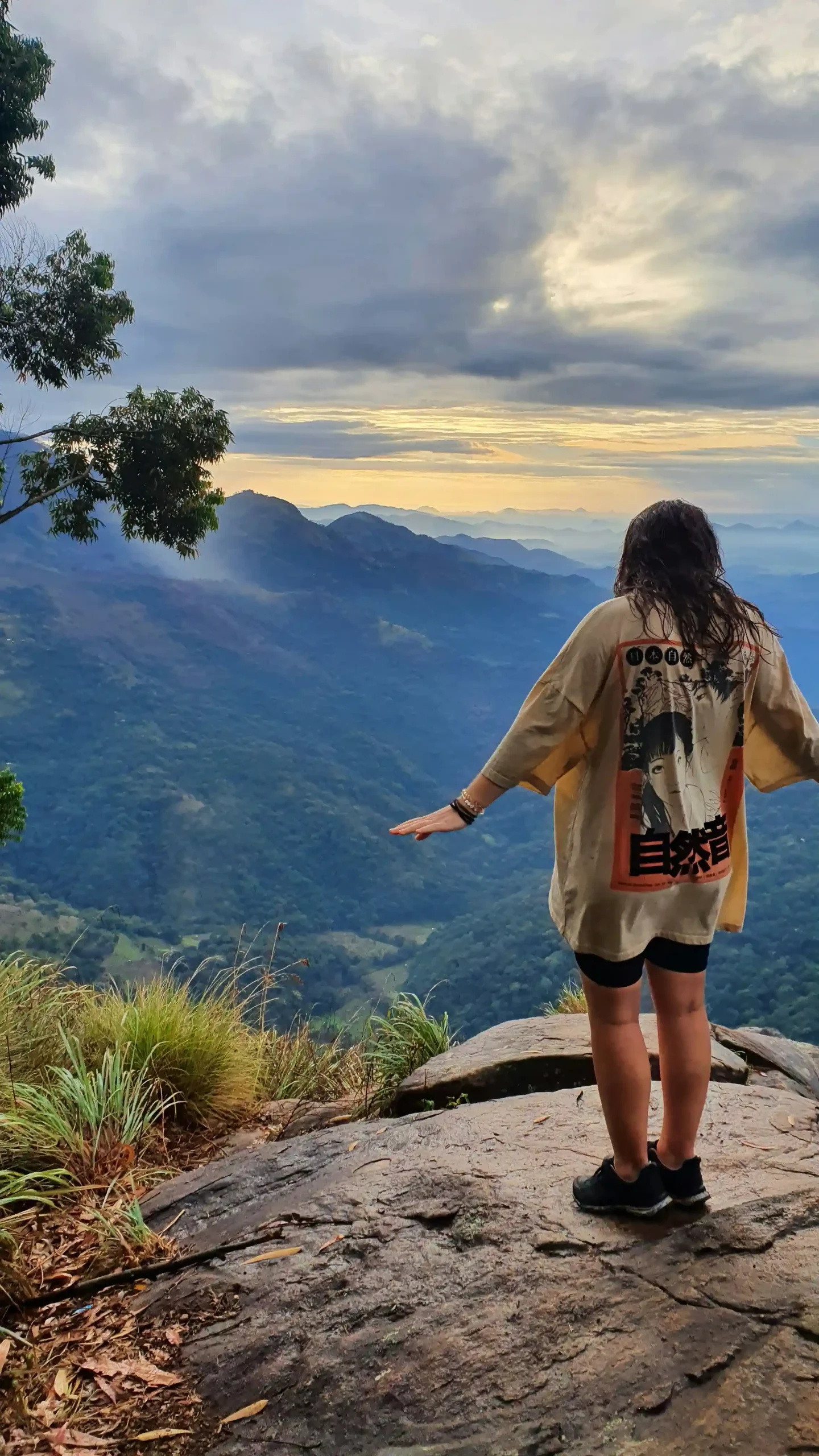
Ella Rock is known for its impressive sunrise views across Sri Lanka’s Hill Country.
On a clear morning, the rising sun can illuminate distant mountain ridges, valleys and surrounding vegetation.
The changing colours of the sky create attractive opportunities for landscape photography.
However, reaching the summit before sunrise requires a pre-dawn departure and careful navigation in darkness.
Visitors should not treat sunrise as a casual extension of an ordinary morning walk.
The trail contains uneven ground and confusing junctions that can be difficult to identify without daylight.
A sunrise hike is best undertaken with an experienced local guide, reliable lighting and favourable weather conditions.
What Time Should You Start for Sunrise?
A sunrise ascent generally requires leaving Ella well before dawn.
The exact departure time depends on the date, starting point, route and walking speed.
Sunrise hikes may require departures around 4 am, depending on the route and walking pace. Agree on a suitable starting time with your local guide.
Bring a proper headlamp with sufficient battery power and carry a backup light if possible.
Never attempt an unfamiliar railway-side route in darkness.
If the weather is poor, visibility is severely reduced or the trail is affected by heavy rain, postpone the sunrise attempt.
The mountain scenery is still enjoyable after daylight, without the additional difficulty of navigating an uncertain trail in the dark.
Is Ella Rock Worth Hiking Without Sunrise?
Absolutely. Ella Rock remains an excellent hiking destination even when you do not plan to reach the summit at sunrise.
Starting after first light allows you to appreciate the landscape as you walk and makes identifying trail junctions considerably easier.
You can also observe the surrounding vegetation, tea-country scenery and forest sections more comfortably.
The summit views are impressive when visibility is good, regardless of whether you reach the top at the exact moment of sunrise.
For many visitors, a daylight hike provides the best overall experience because it combines scenery, safety and a more relaxed walking pace.
What Can You See from Ella Rock?
Ella Rock provides panoramic views across the dramatic mountain landscape surrounding Ella.
On clear days, visitors can see forested ridges, cultivated hillsides, distant valleys and the distinctive opening of Ella Gap.
The scenery reveals the steep terrain that characterises this part of Sri Lanka’s Hill Country.
A second viewpoint near the main summit offers views towards Ravana Falls and the Ella–Wellawaya Road.
The appearance of the panorama changes according to the weather and cloud cover.
Some mornings provide extensive views across distant mountains, while mist can create a softer and more atmospheric landscape.
The Main Ella Rock Viewpoint
The main viewpoint is the principal destination for most hikers.
Its elevated position offers an expansive view over the surrounding countryside and valleys.
On a clear day, the combination of mountain ridges, green slopes and distant horizons makes the climb particularly rewarding.
The viewpoint is also popular for photographs, especially during the softer light of early morning.
However, the mountain contains exposed edges and uneven natural ground.
Remain at a safe distance from drops and avoid stepping backwards while taking photographs.
There is no need to approach the most exposed edge to appreciate the panorama.
The Second Viewpoint Near Ella Rock
Ella Rock is associated with more than one elevated viewing position.
A second viewpoint is located approximately 200 metres from the main viewing area.
From this perspective, visitors may see parts of the landscape around Ravana Falls and the road descending towards Wellawaya.
The surrounding terrain and conditions should be assessed before moving between viewpoints.
Do not follow an unclear path towards an exposed edge or enter restricted land in search of a different photographic angle.
A local guide can help identify the recognised viewing areas and explain which are suitable on the day.
Weather Conditions on the Ella Rock Trail
Weather in Ella’s mountainous surroundings can change quickly.
Bright sunshine may be followed by mist, cloud or rain, particularly in the highland environment.
Cloud cover can reduce visibility from the summit, while rain makes the earth trails and exposed roots slippery.
Strong sunlight also creates challenges on open sections of the climb.
Check the local forecast before leaving and carry clothing suitable for changing conditions.
If thunderstorms, strong winds or heavy rain are expected, a mountain hike may not be appropriate.
Do not continue towards exposed viewpoints when deteriorating weather creates unnecessary risk.
Hiking Ella Rock After Rain
Rain can significantly increase the difficulty of the Ella Rock hike.
Earth paths may become muddy, while wet roots and stones can reduce traction.
The steeper sections are particularly demanding during the descent, when tired legs and slippery ground increase the likelihood of falling.
Heavy rain can also affect smaller paths and make route-finding more difficult.
After significant rainfall, ask your accommodation or guide about the current state of the trail.
If conditions are unsuitable, postponing the hike is the sensible decision.
A clear-weather walk is generally more enjoyable than struggling through mud and poor visibility simply to reach the summit.
Mist and Cloud at Ella Rock
Mist is a familiar feature of Sri Lanka’s Hill Country and can transform the atmosphere around Ella Rock.
Light cloud drifting across the valley may create beautiful photography opportunities.
However, thicker mist can conceal the surrounding mountain views and make navigation more difficult.
If visibility becomes poor, remain on the recognised trail and avoid exploring unfamiliar slopes.
Do not move towards an exposed edge in the hope of finding a clearer view beneath the clouds.
Cloud conditions can change naturally during the morning, but safety should remain more important than waiting for a perfect photograph.
Leeches and Insects on the Trail
Leeches can occur in damp vegetation around Ella, particularly after rainfall.
They are a normal feature of some tropical highland environments and may be encountered along wet forest paths.
Wearing long socks and suitable footwear can help reduce direct contact with vegetation.
Long trousers may also be useful when the trail is especially damp.
Check your shoes, socks and clothing after walking through wet sections.
Insects are another reason to avoid unnecessary movement through dense undergrowth.
Staying on established paths makes the hike more comfortable and reduces disturbance to surrounding vegetation.
What Shoes Should You Wear for Ella Rock?
Suitable footwear is essential for enjoying the Ella Rock hike safely.
Walking shoes or hiking trainers with reliable grip are recommended because the route includes earth paths, slopes, roots and uneven ground.
Footwear should fit securely and provide comfortable support over several hours.
Smooth-soled fashion trainers, loose sandals and flip-flops are poor choices for the steeper sections, particularly after rain.
Comfortable socks can help reduce rubbing during the longer walk.
Choose footwear that you have already worn comfortably rather than using brand-new shoes for the first time on the hike.
What Should You Bring for the Ella Rock Hike?
Pack the essentials for a half-day mountain walk without carrying unnecessary weight.
- Comfortable hiking shoes or walking trainers.
- Enough drinking water for several hours.
- Light snacks for energy.
- A charged smartphone with a current offline map.
- A power bank if relying on GPS navigation.
- Sun protection, including a hat and sunscreen.
- A lightweight rain jacket.
- A small backpack.
- Any necessary personal medication.
- A headlamp and backup light for a planned pre-dawn hike.
- A reusable bag for carrying rubbish away.
Keep your bag manageable, especially for the steeper final ascent.
Carry enough supplies for the return journey rather than assuming refreshments will be available along the trail.
Water, Food and Hydration
Staying hydrated is important during a hike that may last four to five hours.
The amount of water needed depends on the weather, your pace and personal requirements.
Carry enough for the full hike and avoid relying on finding drinking water along the mountain route.
A light snack can provide useful energy, particularly during the steeper ascent or before the descent.
Fruit, simple sandwiches or other compact snacks are practical options.
Take regular short breaks when needed, particularly during warm conditions.
Do not leave food packaging or bottles on the mountain.
Photography at Ella Rock
Ella Rock offers beautiful opportunities for landscape photography.
The sweeping mountain ridges, forested slopes and deep valleys create compositions that capture the scale of Sri Lanka’s Hill Country.
Early morning light can add depth to the landscape, while low cloud and mist create a different atmosphere.
A wide-angle lens is useful for panoramic scenery, while moderate zoom can isolate distant ridgelines and layers of mountains.
Keep photography equipment lightweight because the final climb is demanding.
At the viewpoint, remain on stable ground and avoid moving close to exposed edges for dramatic photographs.
Smartphone Photography at Ella Rock
Modern smartphones are well suited to capturing the broad landscapes visible from Ella Rock.
Use the main camera for natural detail and the wide-angle setting when you want to include more of the valley.
Panorama mode can be useful for recording the full sweep of the surrounding mountains.
Try including nearby vegetation in the foreground to provide a sense of scale.
Protect your phone from rain and keep it securely stored while climbing steep or uneven sections.
Do not step backwards while framing a photograph near a drop.
Is Ella Rock Safe for Solo Travellers?
Solo travellers can enjoy Ella Rock, but hiking alone requires additional preparation.
The route includes confusing junctions and sections where an incorrect turn may take you away from the intended trail.
Independent solo hiking is best suited to people confident with navigation and comfortable managing a longer mountain walk.
Start in daylight, check current trail conditions and tell your accommodation where you are going.
Carry a charged phone, an offline map and essential supplies.
For an unfamiliar pre-dawn route, hiring a local guide is the more sensible option.
If weather or visibility deteriorates, turn back while you can still follow a known safe route.
Hiking Ella Rock with Children
Ella Rock is more demanding than the shorter walks commonly enjoyed by families around Ella.
The distance, steep final ascent and navigation requirements may be tiring for younger children.
Families should consider children’s walking experience, stamina and comfort on uneven ground before choosing this hike.
Close supervision is essential near steep slopes and exposed viewpoints.
A daylight departure and knowledgeable local guide may make the walk more manageable for families with older children who already enjoy hiking.
For younger children or inexperienced walkers, Little Adam’s Peak is generally the more suitable mountain viewpoint.
Accessibility and Mobility Considerations
Ella Rock is a natural mountain hiking route rather than a developed viewpoint with level access.
The trail includes uneven ground, slopes, forest paths and a steep final ascent.
These conditions can be challenging for visitors with limited mobility, balance difficulties or recent injuries.
The full ascent is not wheelchair accessible.
Travellers who cannot comfortably manage several hours of walking should consider whether the physical demands are appropriate.
Ella also offers other viewpoints with shorter approaches for visitors who prefer a less strenuous experience.
Ella Rock vs Little Adam’s Peak
Ella Rock and Little Adam’s Peak are two of Ella’s best-known viewpoints, but they suit different types of travellers.
Ella Rock is the more demanding experience, with a longer walking route, greater navigation requirements and a steeper final climb.
Little Adam’s Peak provides attractive mountain views with a shorter and more straightforward walking approach.
Ella Rock is generally the stronger choice for travellers who actively enjoy hiking and want a more substantial outdoor challenge.
Little Adam’s Peak is better suited to visitors who prefer a shorter scenic walk without committing several hours to a mountain trail.
Both offer beautiful views of the surrounding landscape, but the physical effort and trail experience differ considerably.
Ella Rock and Nine Arch Bridge
Ella Rock and Nine Arch Bridge highlight two different sides of the Ella landscape.
Ella Rock focuses on hiking, mountain scenery and the satisfaction of reaching a panoramic viewpoint.
Nine Arch Bridge is a historic railway landmark surrounded by forested hills, offering a different combination of engineering and nature.
Visitors interested in the bridge should remember that it is part of an active railway and is best appreciated from safe off-track viewpoints.
For detailed access information and railway safety, read our Nine Arch Bridge Visitor Guide.
Entrance Fees and Trail Access
Ella Rock does not have a standard national attraction ticket comparable with Sri Lanka’s major archaeological sites.
However, local access arrangements may vary depending on the route and the land crossed.
Some privately managed areas may have separate charges or access conditions.
If hiring a guide, transport and guiding fees are separate matters and should be agreed before departure.
Respect signs, private property boundaries and any instructions issued by local authorities or land managers.
Choose a recognised route rather than entering private land simply because an old online map shows a path.
Responsible Hiking at Ella Rock
Ella Rock is part of a natural and working landscape that deserves respectful treatment.
Stay on established trails where possible and avoid creating new shortcuts across steep slopes.
Repeated shortcuts can damage vegetation and accelerate soil erosion, especially during wet weather.
Carry all rubbish back with you, including plastic bottles, snack packaging and cigarette ends.
Respect tea plantations, nearby homes and local workers.
Avoid disturbing wildlife or removing plants from the surrounding forest.
Responsible hiking helps preserve the natural environment and maintains a positive experience for future visitors.
Common Mistakes to Avoid on Ella Rock
One common mistake is assuming Ella Rock will be as short and easy to navigate as Little Adam’s Peak.
Another is relying on outdated online directions without checking current trail access.
Following active railway tracks as a shortcut is particularly dangerous and should be avoided.
Travellers should also avoid attempting an unfamiliar sunrise ascent without a guide, suitable lighting or a reliable route.
In wet weather, inadequate footwear and rushing downhill can increase the risk of slipping.
Finally, do not move towards exposed edges simply because cloud is blocking the view.
Preparation, patience and appropriate route choices are more important than reaching the summit as quickly as possible.
Is the Ella Rock Hike Worth It?
Absolutely. For travellers who enjoy walking and mountain scenery, Ella Rock is one of the most rewarding hiking experiences around Ella.
The route offers a satisfying combination of tea-country landscapes, forest paths, challenging climbs and panoramic views across Sri Lanka’s Hill Country.
The summit provides an impressive perspective of the valleys and ridges surrounding Ella, particularly during clear early-morning conditions.
However, the hike is best approached with realistic expectations about its physical demands and navigation challenges.
Allow sufficient time, wear suitable footwear, choose a safe established route and consider hiring a knowledgeable guide if you are unfamiliar with the area.
For international travellers looking beyond Ella’s easier viewpoints, Ella Rock offers an unforgettable opportunity to experience the beauty of Sri Lanka’s highlands on foot.