Discover the heritage of Ceylon tea at Dambatenne Tea Factory, a historic working tea factory surrounded by the rolling plantations of Haputale. Established in 1890 by Sir Thomas Lipton, the factory offers visitors an opportunity to see how freshly harvested tea leaves are transformed into one of Sri Lanka’s most celebrated exports.
Set among the cool, mist-covered hills of Uva Province, Dambatenne combines industrial heritage, traditional tea production and beautiful plantation scenery.
For more information about the surrounding region, explore our Haputale Destination Guide.
Location: Approximately 9 km from Haputale
Best for: Tea heritage, factory tours and cultural experiences
Time needed: Around 45–60 minutes at the factory
Best time to visit: Weekday mornings when tea production is active
Nearby attraction: Lipton’s Seat
Historic Ceylon tea among misty hills
Why Visit Dambatenne Tea Factory?
Dambatenne Tea Factory offers a fascinating introduction to Sri Lanka’s world-renowned tea industry.
Surrounded by extensive tea plantations, the historic factory provides an opportunity to understand the journey from freshly plucked leaves to the finished tea enjoyed around the world.
During a guided visit, travellers can learn about the traditional methods and machinery used to process black tea, including withering, rolling, oxidation, drying and grading.
The factory’s connection with Sir Thomas Lipton also makes it an important destination for understanding how Ceylon tea developed into an internationally recognised product.
For visitors exploring Haputale, Dambatenne adds a rewarding cultural experience to the region’s scenic tea landscapes.
The History of Dambatenne Tea Factory
Dambatenne Tea Factory was established in 1890 by Sir Thomas Lipton, the Scottish businessman whose name became internationally associated with tea.
During the late nineteenth century, Sri Lanka, then known as Ceylon, was undergoing a major transformation in its plantation economy.
Following the decline of coffee cultivation, tea expanded rapidly across the central and southern highlands. The favourable climate, high elevations and fertile soils of the Uva region helped establish an important tea-producing landscape.
Lipton recognised the commercial potential of Ceylon tea and invested in plantation production, helping build a business that connected Sri Lankan estates with international consumers.
Dambatenne became part of this expanding enterprise, producing tea from the surrounding plantations.
The factory’s historic structure and longstanding association with tea manufacturing continue to reflect an important period in the development of Sri Lanka’s plantation industry.
Inside Dambatenne Tea Factory
A guided factory tour introduces visitors to the main stages of traditional black-tea production.
Dambatenne remains an operational tea factory, with machinery and manufacturing spaces used for processing harvested leaves.
The visit provides an insight into the technical knowledge and careful handling required to produce Ceylon tea.
Withering the Tea Leaves
The process begins when freshly plucked tea leaves arrive at the factory.
These leaves contain considerable moisture, which must be reduced before further processing.
During withering, the leaves are spread across large troughs where controlled airflow gradually removes moisture and softens their structure.
This prepares them for rolling while helping establish the conditions needed for subsequent processing.
Rolling and Oxidation
Once withered, the leaves pass through rolling machinery that twists and breaks their cellular structure.
This releases natural compounds within the leaf and allows them to react with oxygen.
During oxidation, the leaves gradually darken while developing the characteristic flavours and aromas associated with black tea.
The duration and conditions of this stage significantly influence the finished tea’s character.
Drying and Sorting
After oxidation, the tea is exposed to controlled heat to reduce its moisture content and stop further oxidation.
The dried leaves are then sorted and graded according to their physical size and appearance.
Different grades are produced for different brewing preferences and markets.
The resulting tea is prepared for packing and distribution, completing the transformation from fresh green shoots into finished black tea.
Understanding Ceylon Tea Grades
One of the most interesting aspects of tea manufacturing is learning how finished tea is classified.
Traditional Ceylon black tea is commonly sorted into grades such as Orange Pekoe (OP), Broken Orange Pekoe (BOP) and Broken Orange Pekoe Fannings (BOPF).
These names primarily describe the size and physical characteristics of the processed leaves rather than providing a simple ranking of quality.
Larger leaves and smaller broken grades can produce different brewing characteristics, including variations in strength, colour and infusion time.
Understanding these distinctions helps travellers make more informed choices when purchasing Sri Lankan tea.
The People Behind Sri Lanka’s Tea Industry
The history of Ceylon tea is closely connected to the communities who have cultivated and processed it for generations.
During British colonial rule, large numbers of workers were brought from southern India to work on plantations across Sri Lanka’s highlands.
Their descendants, together with other plantation workers, have contributed significantly to the growth and development of the tea industry.
Today, tea cultivation continues to support communities throughout the Hill Country, with workers involved in planting, maintaining, harvesting and processing tea.
The plantations surrounding Dambatenne are part of this living agricultural landscape, where traditional skills and modern manufacturing practices contribute to one of Sri Lanka’s major export industries.
Visitors can gain a deeper appreciation of tea production by recognising the knowledge and labour involved at every stage.
Dambatenne Tea Factory and Lipton’s Seat
Dambatenne Tea Factory is closely connected to Lipton’s Seat, one of Haputale’s most famous viewpoints.
Located higher in the surrounding tea country, Lipton’s Seat is associated with Sir Thomas Lipton, who is traditionally said to have admired the expansive plantation views from this elevated location.
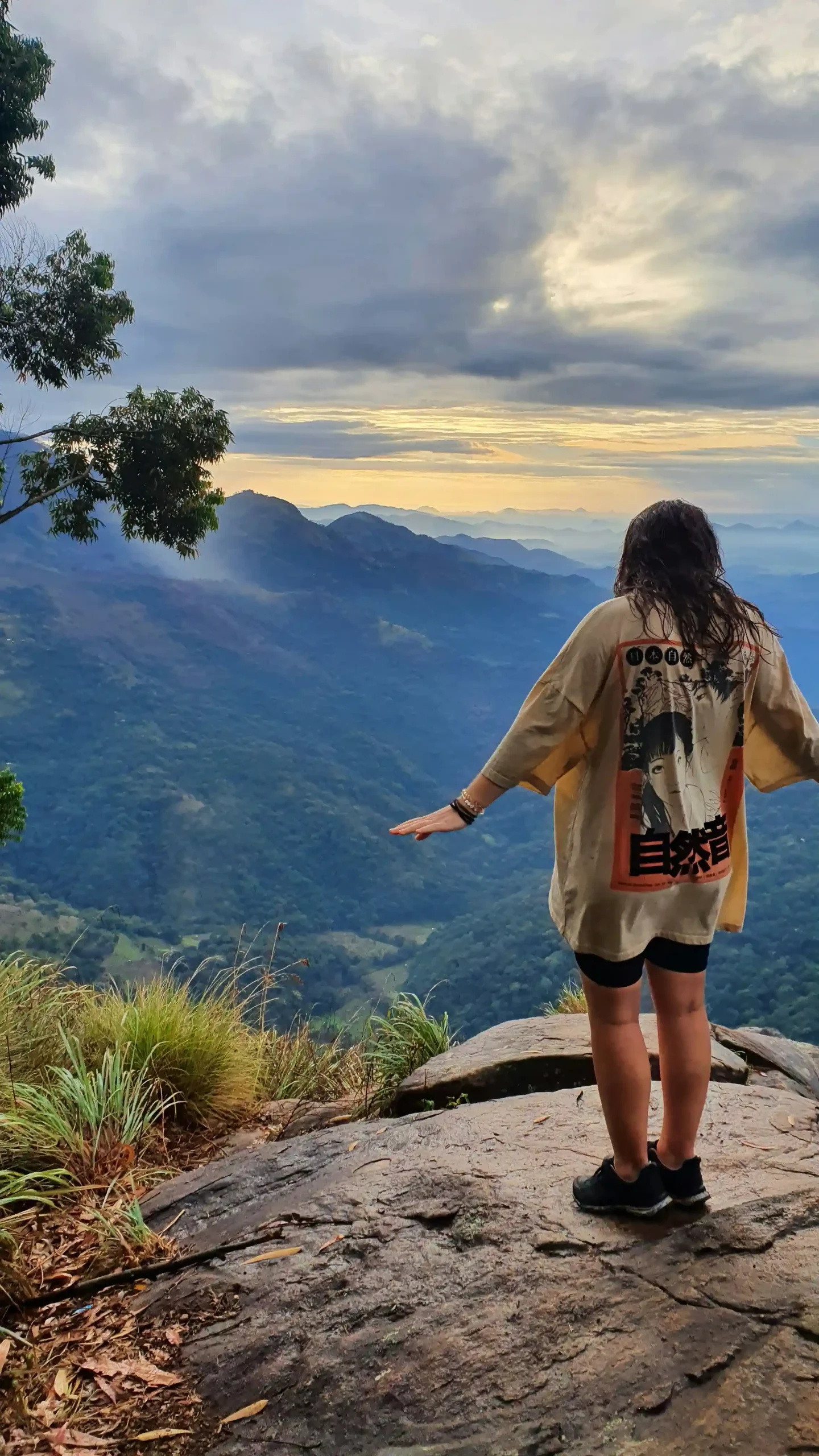
On clear mornings, the viewpoint offers sweeping views across tea-covered hills and the surrounding landscape.
The journey between Lipton’s Seat and Dambatenne passes through picturesque plantation scenery, with winding roads and green hillsides.
Combining the two attractions allows travellers to enjoy the natural beauty of Haputale while learning about the tea industry that helped shape the region.
For walking routes, access information and photography tips, explore our Lipton’s Seat Haputale Walking and Viewpoint Guide.
How to Get to Dambatenne Tea Factory
Dambatenne Tea Factory is situated approximately 9 kilometres from Haputale town, along a scenic road through the surrounding tea plantations.
By Tuk-Tuk or Private Vehicle
A tuk-tuk is one of the easiest and most convenient ways to reach the factory.
The journey from Haputale generally takes around 20–30 minutes, depending on road and weather conditions.
Travellers can arrange a return journey with a local driver or combine the factory visit with Lipton’s Seat.
Agree on the total fare before setting off, particularly when including additional sightseeing stops.
By Local Bus
Local buses travelling towards Dambatenne provide a budget-friendly alternative.
Services depart from Haputale and travel through the tea-estate area, offering glimpses of everyday life in the surrounding communities.
Allow additional time for the journey and walking between the bus stop and factory entrance.
Walking Through the Tea Country
The landscape around Dambatenne is popular with travellers who enjoy scenic walks.
A particularly attractive option is descending from Lipton’s Seat towards the factory along suitable established routes through the tea plantations.
The walk offers opportunities to appreciate the surrounding hills, plantation roads and changing views of the Uva highlands.
Wear comfortable walking shoes, carry drinking water and stay on recognised paths through the estates.
Opening Hours and Planning Your Visit
Dambatenne is best visited during the morning, when tea-processing activity is generally more visible.
Tuesday to Saturday mornings are particularly suitable for travellers hoping to observe the factory in operation.
Tea processing usually stops on Sundays, with reduced activity also possible on Mondays because of the production schedule.
Factory tours are generally brief, often lasting around 15–20 minutes. Allow approximately 45–60 minutes at the site, including arrival, the guided visit and time to appreciate the surroundings.
Admission is charged for factory tours, so carry Sri Lankan rupees in cash.
If you are combining Dambatenne with Lipton’s Seat, an early start is recommended to enjoy clearer mountain views before visiting the factory.
Tea Tasting and Buying Ceylon Tea
Tea produced in the surrounding estates is closely associated with the rich heritage of Sri Lankan black tea.
Depending on the visitor arrangements, packaged tea may be available to purchase at the factory.
When selecting tea, consider the grade, leaf size and brewing style that best suits your preferences.
Larger-leaf teas often appeal to those who enjoy a more delicate infusion, while broken-leaf grades can produce a stronger brew.
If tea tasting is offered during your visit, take time to appreciate the colour, aroma and flavour before adding milk or sugar.
Packaged Ceylon tea makes a practical souvenir and offers a lasting connection to Sri Lanka’s tea-growing landscapes.
Visitor Tips and Photography
Dambatenne operates as a working tea factory, so visitors should follow staff instructions throughout the tour.
Comfortable, secure footwear is recommended for walking around the factory and surrounding estate roads.
Keep loose clothing and personal belongings away from machinery, and supervise children closely within production areas.
Photography may be restricted inside certain factory sections. Follow displayed rules and staff guidance when using cameras.
The exterior buildings and surrounding plantations provide attractive photographic opportunities, particularly during the softer morning light.
Ask permission before taking close-up photographs of tea workers or other people working on the estate, and respect private residential areas.
Haputale’s highland climate can be cool and misty, so carrying a lightweight jacket or waterproof layer is useful.
Accessibility and Visitor Comfort
The factory’s historic industrial layout includes working areas, hard floors and sections that may involve steps or uneven surfaces.
Visitors with reduced mobility may find some parts of the factory tour challenging.
Travelling directly from Haputale by vehicle is the most convenient option for visitors who prefer to minimise walking.
The surrounding plantation roads are hilly, making suitable footwear especially important for anyone exploring beyond the factory.
Is Dambatenne Tea Factory Worth Visiting?
Dambatenne Tea Factory is a worthwhile stop for travellers interested in Sri Lanka’s tea heritage, industrial history and traditional manufacturing.
Its historic connection with Sir Thomas Lipton, working production areas and scenic plantation setting create a distinctive experience in Haputale.
A visit provides a fascinating insight into the skills and processes behind Ceylon tea, while the surrounding landscape offers some of the Hill Country’s most beautiful scenery.
For travellers exploring Lipton’s Seat and the wider Haputale region, Dambatenne is an excellent addition to a journey through Sri Lanka’s historic tea country.