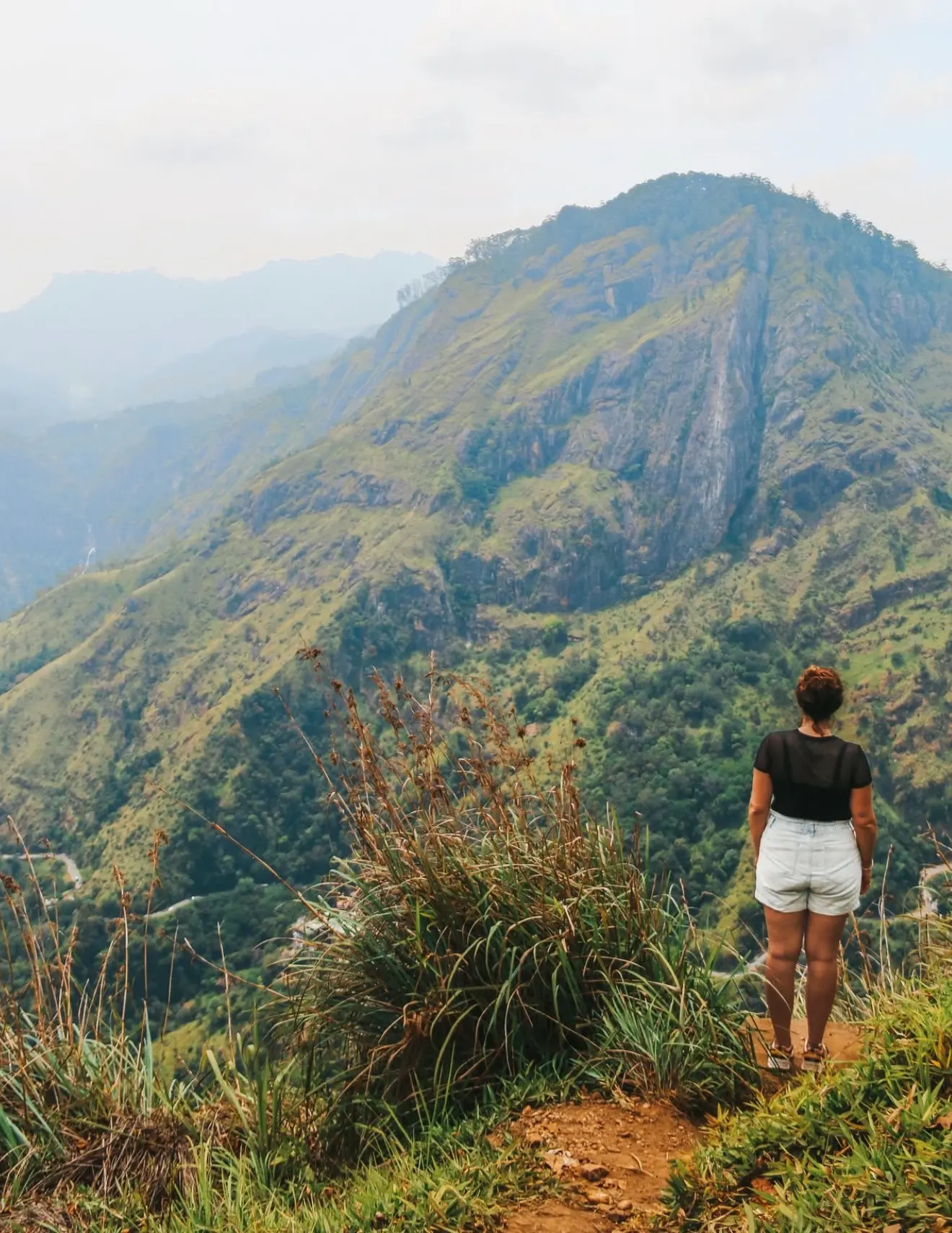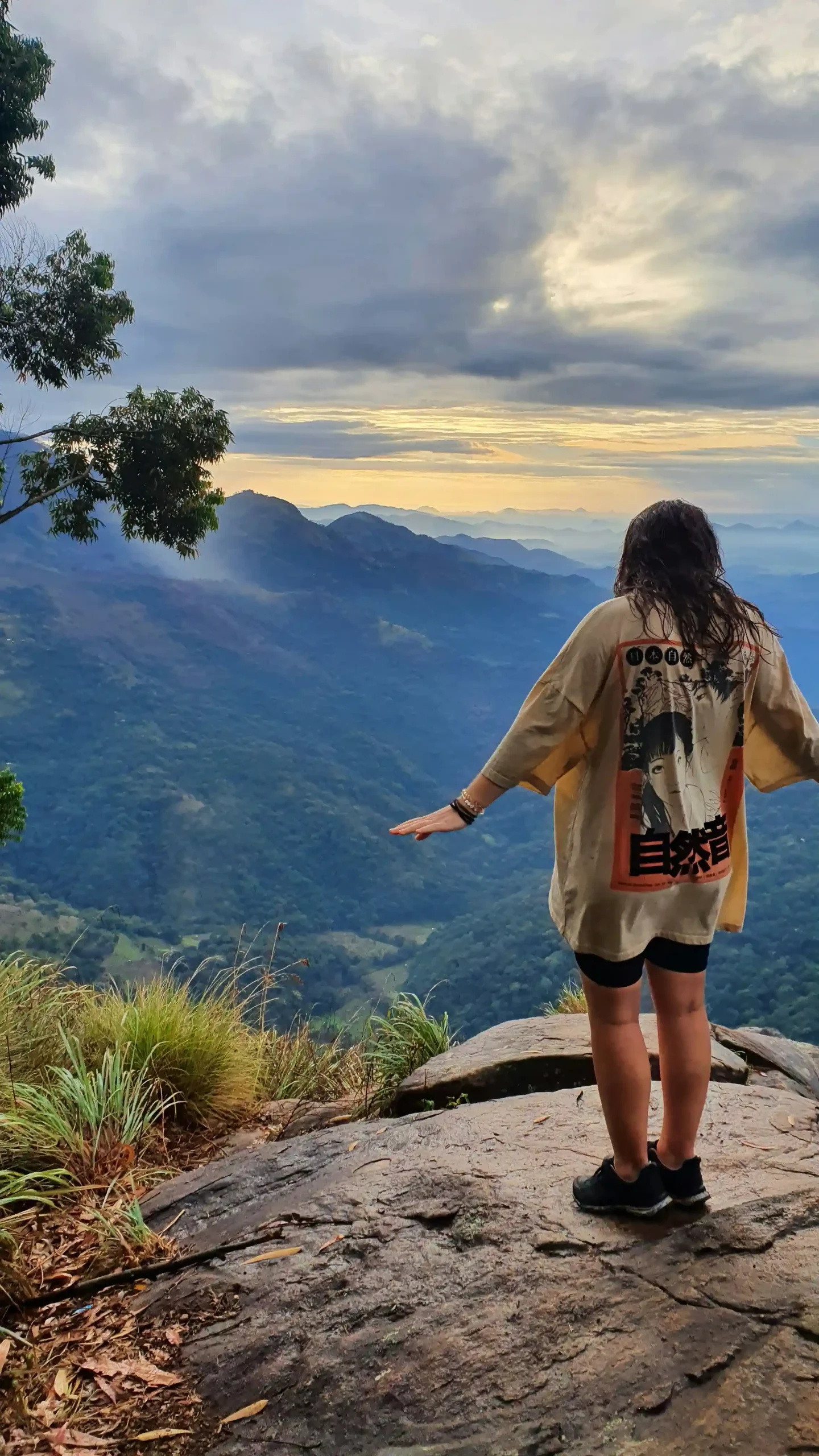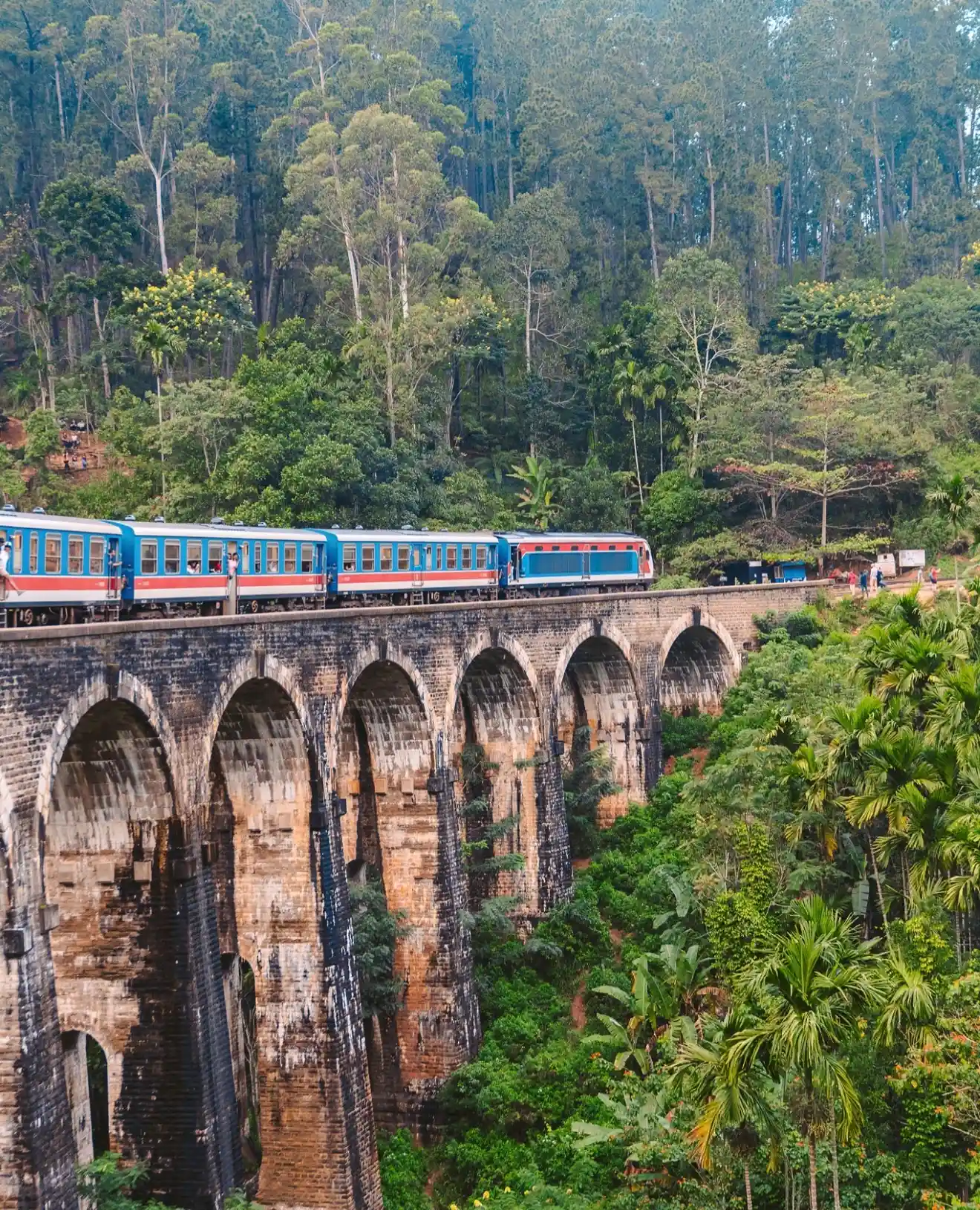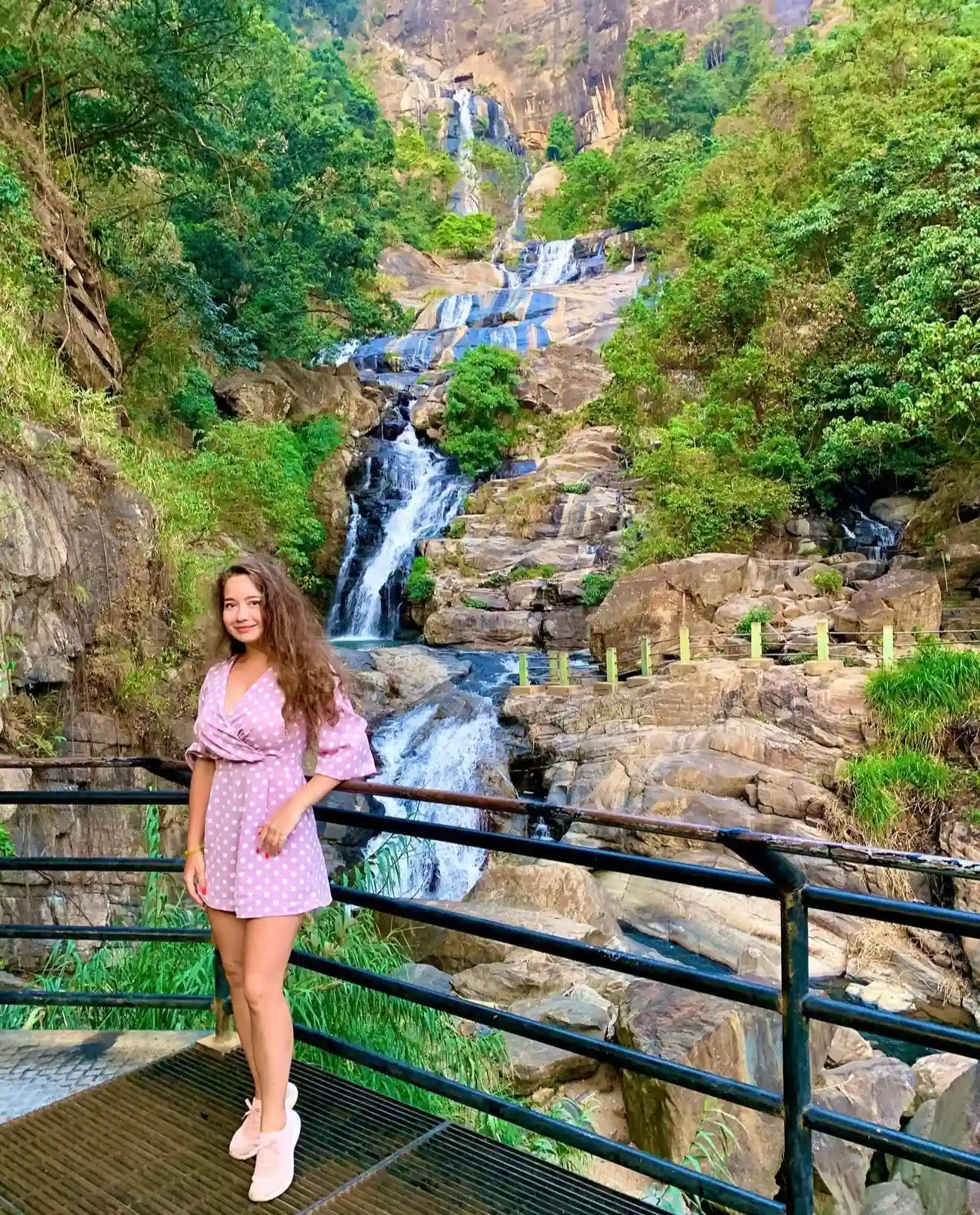
Discover one of Sri Lanka’s most spectacular Hill Country viewpoints at Lipton’s Seat, where sweeping mountain panoramas, emerald-green tea plantations and mist-covered valleys create an unforgettable highland experience.
Located above the historic Dambatenne Tea Estate near Haputale, this famous viewpoint is closely associated with Sir Thomas Lipton and the development of Ceylon tea. Whether travelling by tuk-tuk or walking through the plantations, the journey offers beautiful scenery and an opportunity to experience Sri Lanka’s tea-growing landscape.
For more information about the surrounding region, explore our Haputale Destination Guide.
Location: Dambatenne Tea Estate, near Haputale
Best for: Mountain views, photography and tea-estate walks
Time needed: Approximately 3–5 hours from Haputale, depending on transport and walking
Best time to visit: Early morning, ideally before 9:00 am
Walking distance: Approximately 6–7 km from Dambatenne Tea Factory
Difficulty: Moderate uphill walk; easier when descending
Panoramic views across misty tea plantations
Why Visit Lipton’s Seat?
Lipton’s Seat is among the most celebrated viewpoints in Sri Lanka’s Hill Country, offering remarkable views across tea-covered mountains and the lowlands beyond.
Standing at approximately 1,970 metres above sea level, the viewpoint provides a sweeping perspective of the landscape surrounding Haputale.
On clear mornings, visitors can see layers of green hills stretching towards distant plains, reservoirs and mountain ranges. The scenery changes throughout the morning as sunlight moves across the plantations and clouds rise from the valleys below.
The journey is equally memorable. Narrow estate roads wind past carefully cultivated tea bushes, small settlements and viewpoints overlooking the surrounding countryside.
For travellers interested in nature, photography and Sri Lanka’s tea heritage, Lipton’s Seat offers a distinctive experience away from the busier attractions of Ella.
The History Behind Lipton’s Seat
Lipton’s Seat takes its name from Sir Thomas Lipton, the Scottish businessman who helped establish Ceylon tea as an internationally recognised product.
During the late nineteenth century, Lipton invested in tea estates in Sri Lanka, then known as Ceylon, and developed a business that brought plantation-grown tea to consumers around the world.
The nearby Dambatenne Tea Factory, established in 1890, became an important part of his tea enterprise.
According to local tradition, Lipton visited this elevated viewpoint to admire the extensive plantations associated with his business.
The viewpoint eventually became known as Lipton’s Seat, preserving its connection with one of the most recognisable names in tea history.
Today, a statue of Sir Thomas Lipton marks the location, providing a popular photography spot against the surrounding mountain scenery.
What Can You See from Lipton’s Seat?
The main attraction is the expansive panorama across Sri Lanka’s southern highlands.
From the viewpoint, neatly arranged tea plantations extend across the hillsides, while the landscape drops dramatically towards the lower elevations of Uva Province.
On exceptionally clear days, visibility can extend across several provinces, revealing distant mountain ranges, reservoirs and parts of the southern plains.
The contrast between the cultivated tea fields and the natural mountain landscape gives Lipton’s Seat its distinctive appearance.
Visitors can also appreciate the intricate patterns created by plantation roads and rows of tea bushes winding across the slopes.
The viewpoint is particularly photogenic during the early morning, when soft sunlight illuminates the hills and mist lingers in the valleys.
Best Time to Visit Lipton’s Seat
Early morning offers the best opportunity to enjoy the panoramic views.
Cloud and mist frequently develop around Haputale as the morning progresses, sometimes obscuring the distant landscape by mid-morning.
Arriving between sunrise and approximately 9:00 am is generally ideal for photography and sightseeing.
The cooler morning temperatures also make the uphill walk more comfortable.
Sunrise at Lipton’s Seat
Sunrise is a particularly attractive time for visitors interested in landscape photography.
As daylight spreads across the hills, the tea plantations gradually become visible, with changing colours and shadows adding depth to the scenery.
Visitors travelling from Haputale can arrange an early tuk-tuk journey to reach the viewpoint around sunrise.
If you prefer not to travel along mountain roads in darkness, arriving shortly after first light is also an excellent option.
Seasonal Weather and Visibility
Haputale experiences a cool highland climate, with mist, rainfall and changing cloud conditions throughout the year.
Clear mornings can occur in different seasons, although periods of heavy rain may bring reduced visibility and slippery roads.
The viewpoint’s exposed location can also feel considerably cooler than the town below.
A light jacket or waterproof layer is useful, particularly for early-morning visits.
Walking from Dambatenne to Lipton’s Seat
Walking through the Dambatenne tea plantations is one of the most rewarding ways to experience Lipton’s Seat.
The commonly used route follows a narrow paved estate road uphill towards the viewpoint, passing through extensive tea-growing landscapes.
The distance is approximately 6–7 kilometres, depending on the starting point and route taken.
Along the way, visitors pass rows of tea bushes, estate buildings and scenic stretches overlooking the surrounding mountains.
The walk provides opportunities to appreciate the scale of the plantations and observe everyday activity within this working agricultural landscape.
Route Difficulty and Walking Time
The standard walking route is moderately challenging because of its sustained uphill gradient.
Most of the journey follows a paved road, making it more accessible than a rugged mountain trail.
However, the continuous climb requires reasonable fitness and can become tiring, particularly during warmer weather.
Allow approximately 2–3 hours to walk uphill from Dambatenne, depending on your pace and photography stops.
Wear comfortable walking shoes, carry sufficient drinking water and take regular breaks.
Walking Down from Lipton’s Seat
An excellent alternative is to travel uphill by tuk-tuk and walk downhill towards Dambatenne Tea Factory.
This allows you to enjoy the viewpoint early in the morning before beginning a scenic descent through the plantations.
Walking downhill is generally less demanding than climbing, although the continuous slope can still place pressure on the knees.
The descent usually takes around 1.5–2.5 hours, depending on walking pace and stops.
This option is particularly appealing for travellers who want to enjoy the tea-estate scenery without completing the full uphill climb.
How to Get to Lipton’s Seat from Haputale
Lipton’s Seat is accessible from Haputale through the Dambatenne tea-growing area.
The road journey passes through some of the region’s most attractive plantation landscapes.
By Tuk-Tuk
A tuk-tuk is one of the most convenient ways to visit Lipton’s Seat.
The journey from Haputale generally takes around 30–45 minutes, depending on road conditions and the chosen route.
Local drivers are familiar with the winding estate roads and can arrange a return journey or additional stops.
Agree on the total fare, waiting time and return arrangements before departing.
Visitors planning to walk downhill can arrange collection from Dambatenne rather than returning to the viewpoint.
By Private Vehicle
Travellers with a private driver can reach the viewpoint using the estate road through Dambatenne.
The upper sections are narrow, winding and occasionally steep, requiring careful driving.
Vehicle access near the viewpoint depends on the prevailing road arrangements and available parking areas.
A driver familiar with the surrounding plantation roads is particularly helpful during misty or wet conditions.
By Local Bus and Walking
Budget-conscious travellers can take a local bus from Haputale towards Dambatenne and continue towards Lipton’s Seat on foot.
The bus journey passes through working tea-estate communities and offers an interesting glimpse of everyday life in the region.
From the Dambatenne area, visitors can follow the uphill estate road to the viewpoint.
This option is best suited to travellers comfortable with a longer walk and flexible local transport arrangements.
Combine Lipton’s Seat with Dambatenne Tea Factory
Lipton’s Seat and Dambatenne Tea Factory are closely connected through their shared history and location.
The factory, established by Sir Thomas Lipton in 1890, continues to process tea from the surrounding estates.
A guided factory visit offers an opportunity to understand how freshly harvested tea leaves are transformed into finished Ceylon tea.
Combining the two attractions provides an enjoyable balance of mountain scenery and cultural heritage.
Visitors can explore Lipton’s Seat early in the morning before travelling downhill towards the factory.
For factory tours, tea production and practical visiting information, explore our Dambatenne Tea Factory Haputale Visitor Guide.
Photography at Lipton’s Seat
Lipton’s Seat is one of Haputale’s most attractive locations for landscape photography.
The elevated viewpoint provides wide compositions of tea plantations, distant mountains and valleys extending towards the southern lowlands.
Early-morning light creates soft colours across the hillsides, while drifting clouds can add atmosphere to photographs.
A wide-angle lens is useful for capturing the expansive scenery, while a moderate zoom can highlight patterns in the plantations and individual mountain ridges.
The statue of Sir Thomas Lipton is another popular subject, particularly when photographed with the surrounding landscape.
Along the estate road, roadside views offer additional opportunities to photograph tea-covered hills and traditional plantation scenery.
Always remain in safe viewing areas and avoid standing near exposed edges or obstructing vehicles when taking photographs.
Respecting the Tea Estate and Local Communities
The plantations surrounding Lipton’s Seat are active workplaces and home to local communities.
Visitors may see tea workers harvesting leaves, maintaining plantation roads and carrying out everyday estate activities.
Stay on established walking routes and avoid entering cultivated sections without permission.
When photographing workers or residents, ask permission before taking close-up photographs.
Respect private homes, plantation facilities and areas used for agricultural work.
Keeping the surroundings free from litter also helps protect the natural beauty of the landscape.
Entrance Fees and Visitor Facilities
Lipton’s Seat has a visitor admission charge, so carrying Sri Lankan rupees in cash is recommended.
The viewpoint has basic visitor facilities, with small refreshment options sometimes available near the main viewing area.
Carry drinking water and light snacks, especially when planning the longer walking route.
Toilet facilities and sheltered resting areas are limited compared with those at larger developed attractions.
For a comfortable visit, plan to spend approximately 30–60 minutes enjoying the viewpoint itself, allowing additional time for walking, transport and photography.
Safety and Accessibility
The main approach to Lipton’s Seat follows a mountain estate road with narrow sections, bends and steep roadside slopes.
Visitors should remain alert to passing vehicles, particularly when walking along sections without dedicated pedestrian space.
Mist and rainfall can reduce visibility and make surfaces slippery.
At the viewpoint, stay within established visitor areas and maintain a safe distance from exposed edges.
Travellers with limited mobility can use a tuk-tuk or private vehicle to avoid the long uphill walk. Some uneven ground and short walking sections may still be involved near the viewing area.
For families travelling with children, a vehicle-based visit is generally more comfortable than completing the full walking route.
Is Lipton’s Seat Worth Visiting?
Lipton’s Seat is one of the most rewarding viewpoints in Sri Lanka’s Hill Country, combining beautiful mountain scenery with the cultural heritage of Ceylon tea.
The panoramic views, peaceful plantation roads and historical connection with Sir Thomas Lipton make it a memorable attraction for travellers exploring Haputale.
Whether you choose a relaxed tuk-tuk journey or a scenic walk through the tea estates, the experience offers an opportunity to appreciate the landscapes and communities that have shaped this part of Sri Lanka.
For visitors seeking spectacular views and an authentic tea-country atmosphere, Lipton’s Seat is an excellent addition to a Haputale visit.