Location: Udawalawe, on the Walawe River
Best for: Landscape, birdlife, irrigation history and easy scenic stops
Time needed: Around 1–2 hours
Best time: Early morning or late afternoon
Why Udawalawe Reservoir Is Worth Visiting
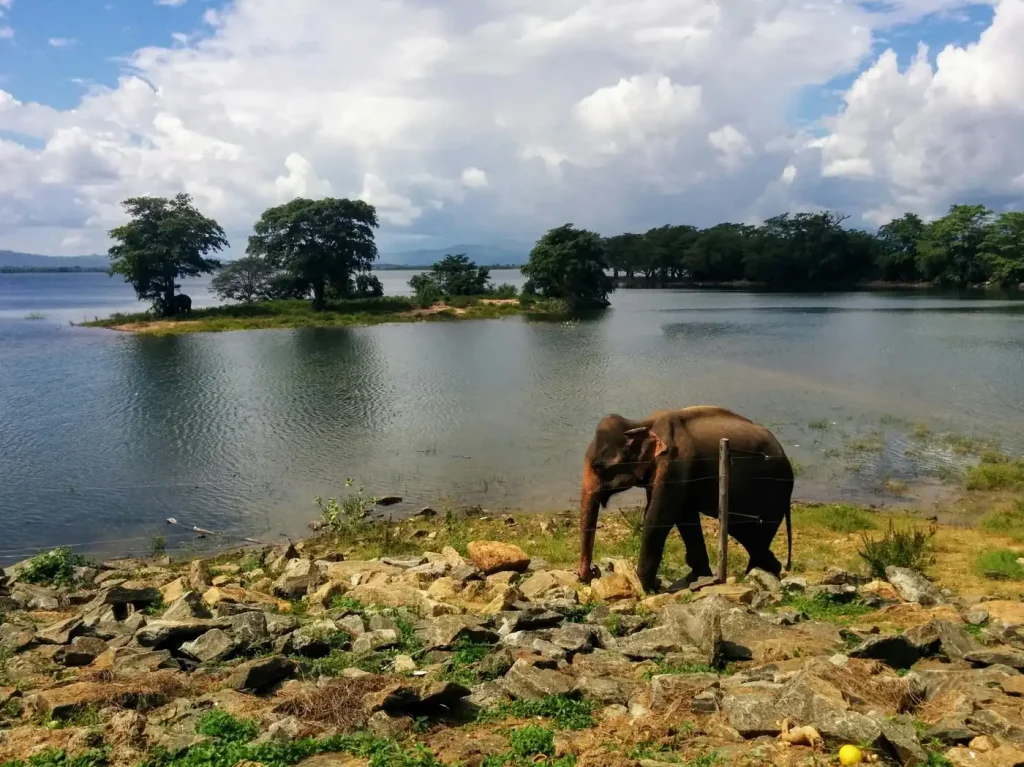
Udawalawe Reservoir is more than scenery beside the safari route.
The reservoir helped shape the modern landscape around Udawalawe and is closely connected with the history of Udawalawe National Park.
The national park was established partly to protect the reservoir catchment and provide habitat for wildlife affected by major irrigation development.
That means the open water, surrounding grassland and wildlife are all part of the same landscape story rather than separate attractions.
Built Around the Walawe River
Udawalawe Reservoir was created by damming the Walawe River.
The reservoir was developed during the 1960s primarily to provide irrigation water.
The wider Walawe River system then became important for agriculture, settlement and wildlife habitat across the region.
For travellers, it is a useful example of how some of Sri Lanka’s dry-zone landscapes have been shaped by both natural ecosystems and major water-engineering projects.
Why Udawalawe National Park Followed
The reservoir and wider Walawe development changed the surrounding habitat.
Udawalawe National Park was declared in 1972 partly to protect wildlife affected by the development scheme and to safeguard the reservoir watershed.
The open grasslands now associated with elephant viewing therefore have a more complicated history than they may first appear to.
The park protects wildlife while existing within a working irrigation landscape created to support surrounding communities.
What Does Udawalawe Reservoir Look Like?
The appearance of the reservoir changes significantly with water level.
When storage levels are high, broad open water dominates the landscape.
During lower-water periods, more shoreline, exposed ground and grazing areas can appear.
Bird activity can also shift depending on water depth and available food.
Do not expect the reservoir to look exactly the same in every season or every year.
Checking Current Reservoir Conditions
Sri Lanka’s Irrigation Department maintains current reservoir-status information for major and medium reservoirs.
This can be useful during unusual drought, heavy rainfall or periods of significant water release.
For normal sightseeing, you do not need to track daily storage levels, but checking current official information can be useful when water conditions may materially affect the landscape.
Where Should Visitors Stop?
Use established public roads, recognised viewpoints and legal roadside stopping areas.
There is no need to enter restricted irrigation infrastructure or leave safe roads simply to find an empty viewpoint.
Ask your accommodation or driver which current reservoir viewpoint is both legal and worthwhile.
A simple roadside or embankment viewpoint can provide an excellent sense of the landscape.
Do Not Enter Restricted Dam Areas
Udawalawe Reservoir is working infrastructure.
Barriers around dams, spillways, sluices and operational areas are there for safety and security.
Do not climb gates, enter restricted structures or ignore signs that limit access or photography.
No viewpoint is worth breaking safety or access rules.
Can You Swim in Udawalawe Reservoir?
Do not treat Udawalawe Reservoir as a recreational swimming lake.
Large irrigation reservoirs can have sudden changes in depth, submerged hazards, operational water flows and wildlife.
Crocodiles also occur within the wider Udawalawe water system.
The reservoir is better enjoyed for landscape views, birdwatching and photography unless a specific managed activity is clearly authorised.
Birdwatching at Udawalawe Reservoir
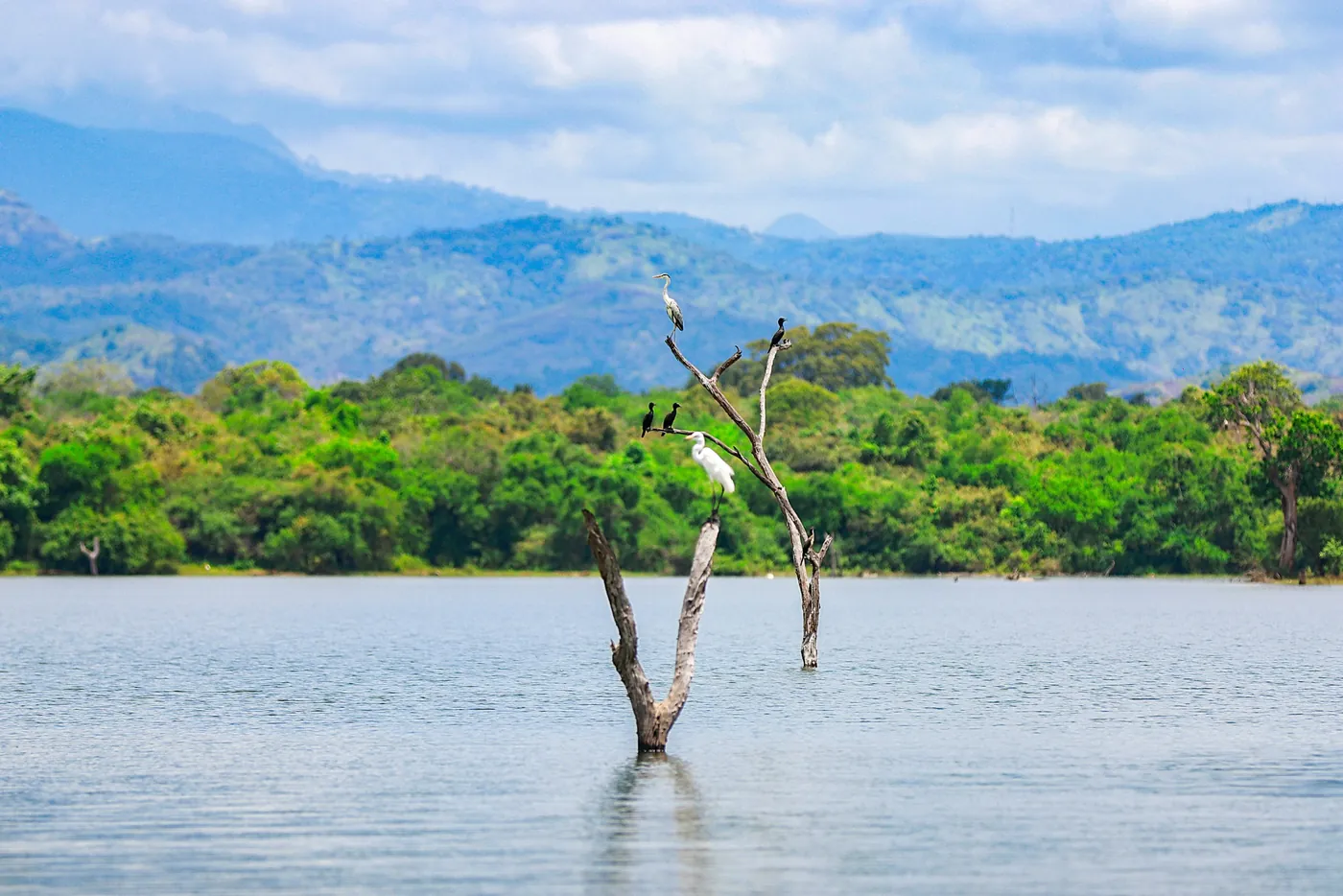
The open water and shoreline attract a variety of birdlife.
Cormorants, raptors, hornbills and many other species occur around the wider park and reservoir landscape.
Early morning and late afternoon are particularly good times to watch because temperatures are cooler and the light is softer.
Bring binoculars if birdwatching is an important part of your visit.
Elephants Near the Reservoir
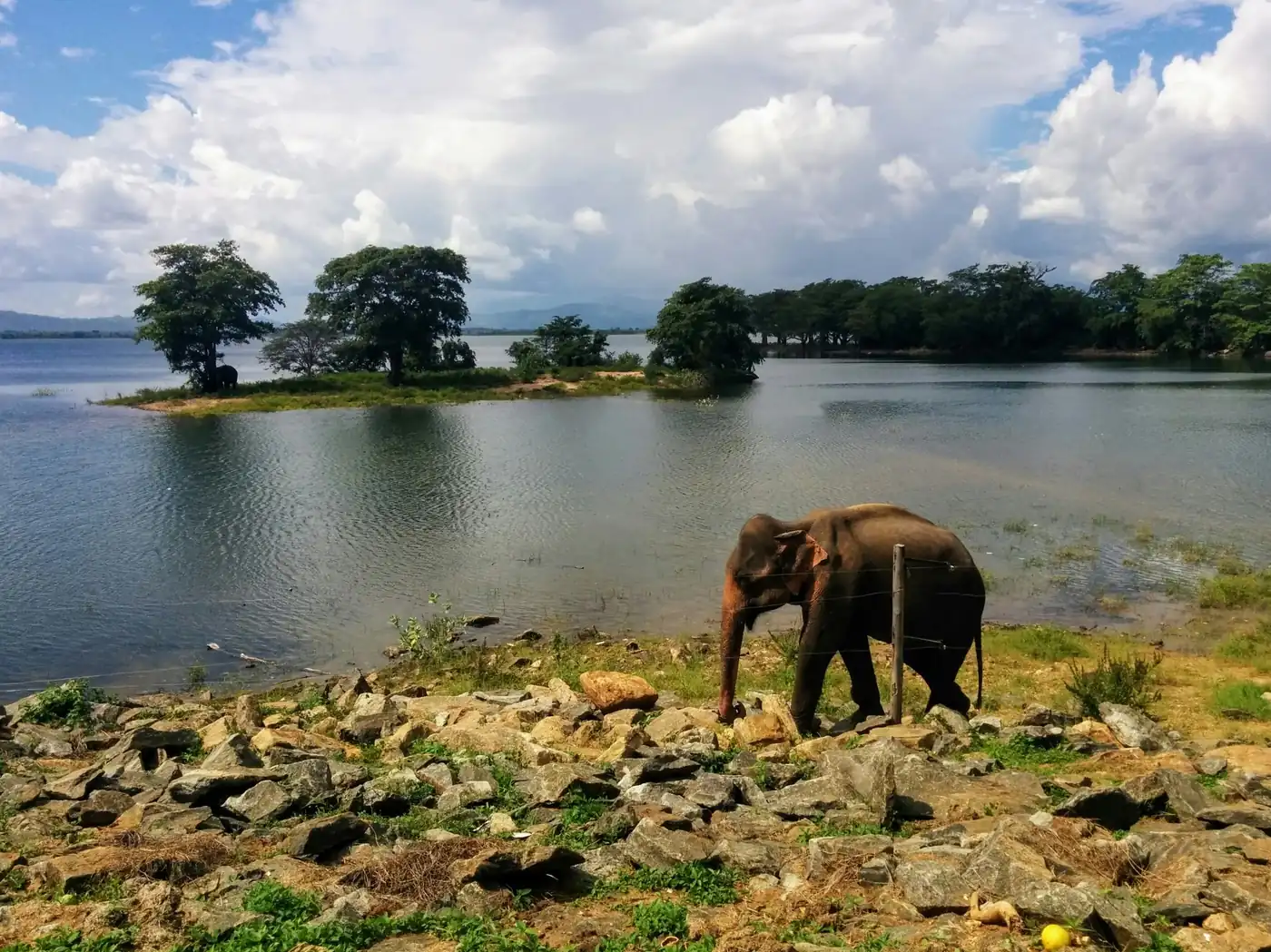
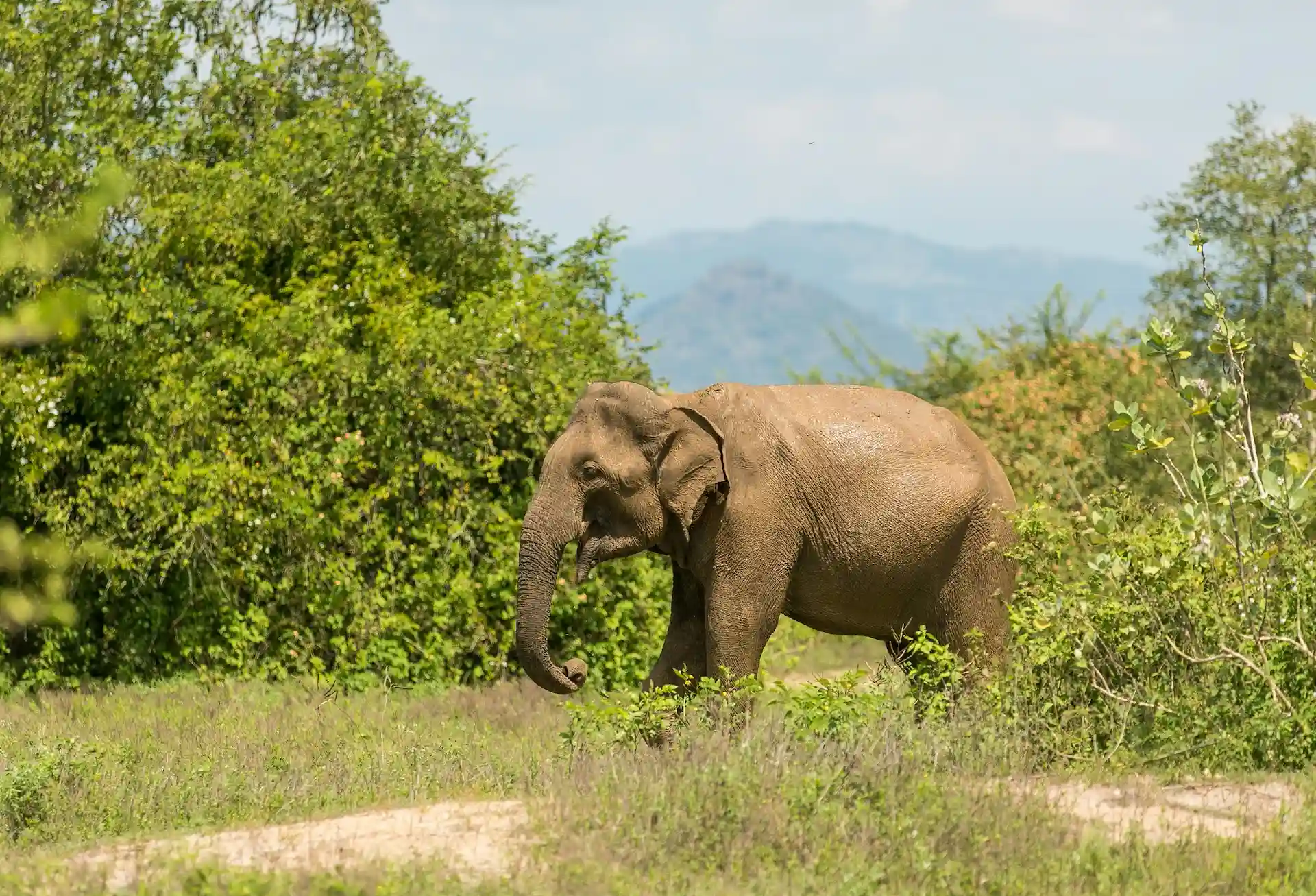
Wild elephants may use habitat around the reservoir, but a roadside reservoir stop should not be treated as a substitute for a national-park safari.
If you encounter elephants near a public road, remain inside your vehicle and give them plenty of space.
Do not leave the vehicle for photographs, offer food or block the road.
Roadside elephant encounters can be unpredictable because they take place outside the more controlled viewing environment of a safari.
Crocodiles and Other Reptiles
Mugger crocodiles are recorded in Udawalawe’s water systems.
They can be difficult to spot near muddy banks and shallow edges.
Stay back from the waterline, particularly in quiet areas where few other people are present.
Do not sit on low banks simply because the water appears calm.
Best Time of Day to Visit
Late afternoon is particularly attractive at Udawalawe Reservoir.
The harsh dry-zone light begins to soften, birds become more active and the reservoir works well as a gentle final stop after a morning safari and some rest.
Early morning is also excellent, although it often overlaps with the best time for a national-park safari.
For a one-night Udawalawe itinerary, visiting the reservoir on your arrival afternoon and taking a safari the following morning can work especially well.
Photography at Udawalawe Reservoir
Wide compositions usually work best.
Use the open water, dry-zone hills, sky and shoreline together to show the scale of the landscape.
A longer lens is useful for birds because it allows you to photograph them without moving close to the water.
Ask permission before taking close photographs of fishermen or local residents.
Sunset at Udawalawe Reservoir
The reservoir can be beautiful in late-evening light, but a perfect sunset should never be treated as guaranteed.
Cloud cover, water level and the direction of the viewpoint can all change what you see.
Arrive before the golden light begins and enjoy the changing landscape rather than rushing between viewpoints in search of one exact photograph.
Fishing and Local Livelihoods
Udawalawe Reservoir is part of a working local landscape.
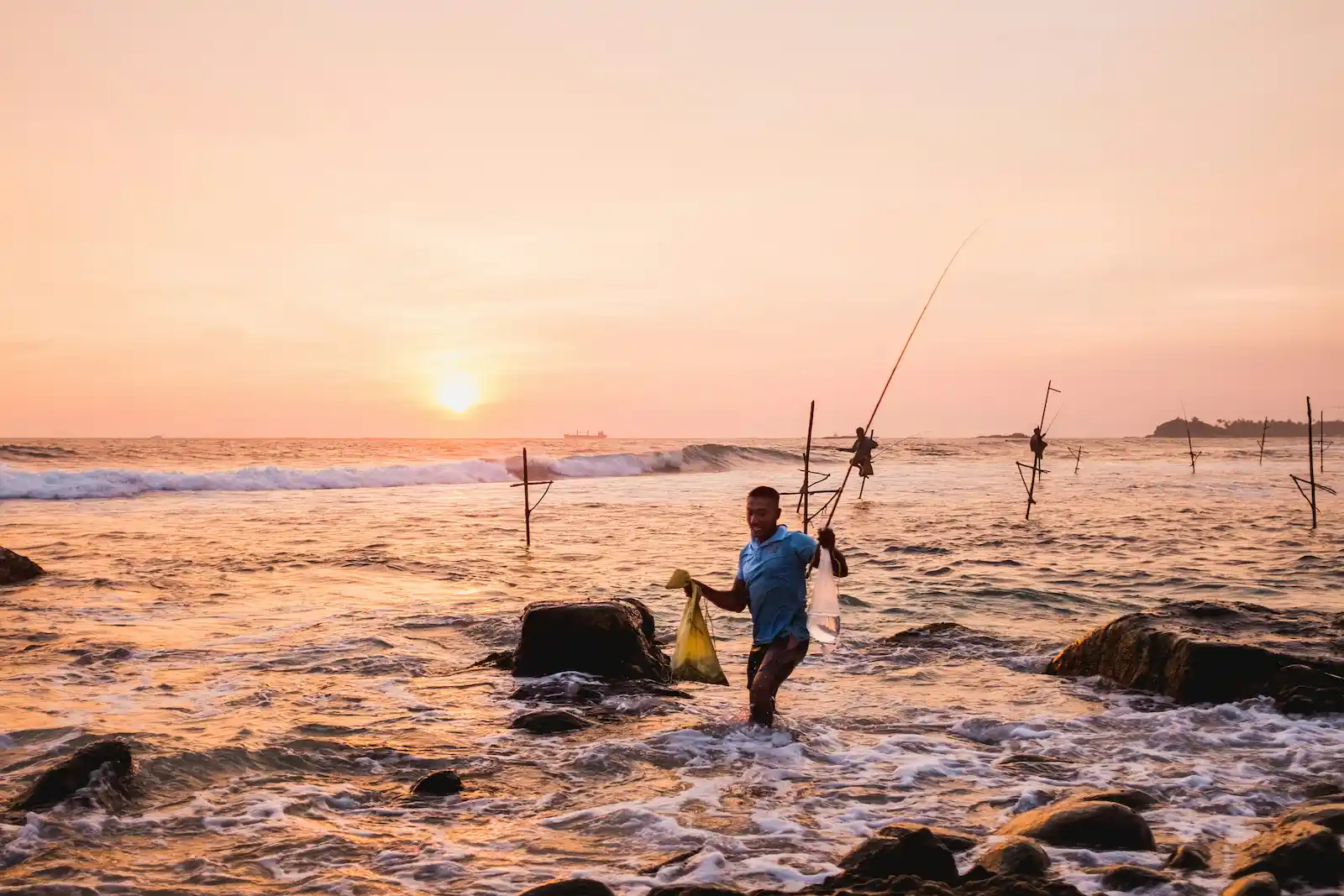
Fishing, irrigation and agriculture remain important to communities around Udawalawe.
Give fishing activity plenty of space and avoid blocking access roads, boats or landing areas.
Wildlife tourism is only one of the many ways people use the wider water system.
How Water Levels Affect Wildlife
Water availability influences where animals and birds spend time around the reservoir.
Lower water levels can expose grazing areas, while higher water levels change the available shoreline habitat.
This is one reason wildlife distribution can vary considerably with water and vegetation.
A sighting pattern from one particularly dry or wet year should not be treated as a permanent rule for the best month to visit.
Combine the Reservoir with Elephant Transit Home
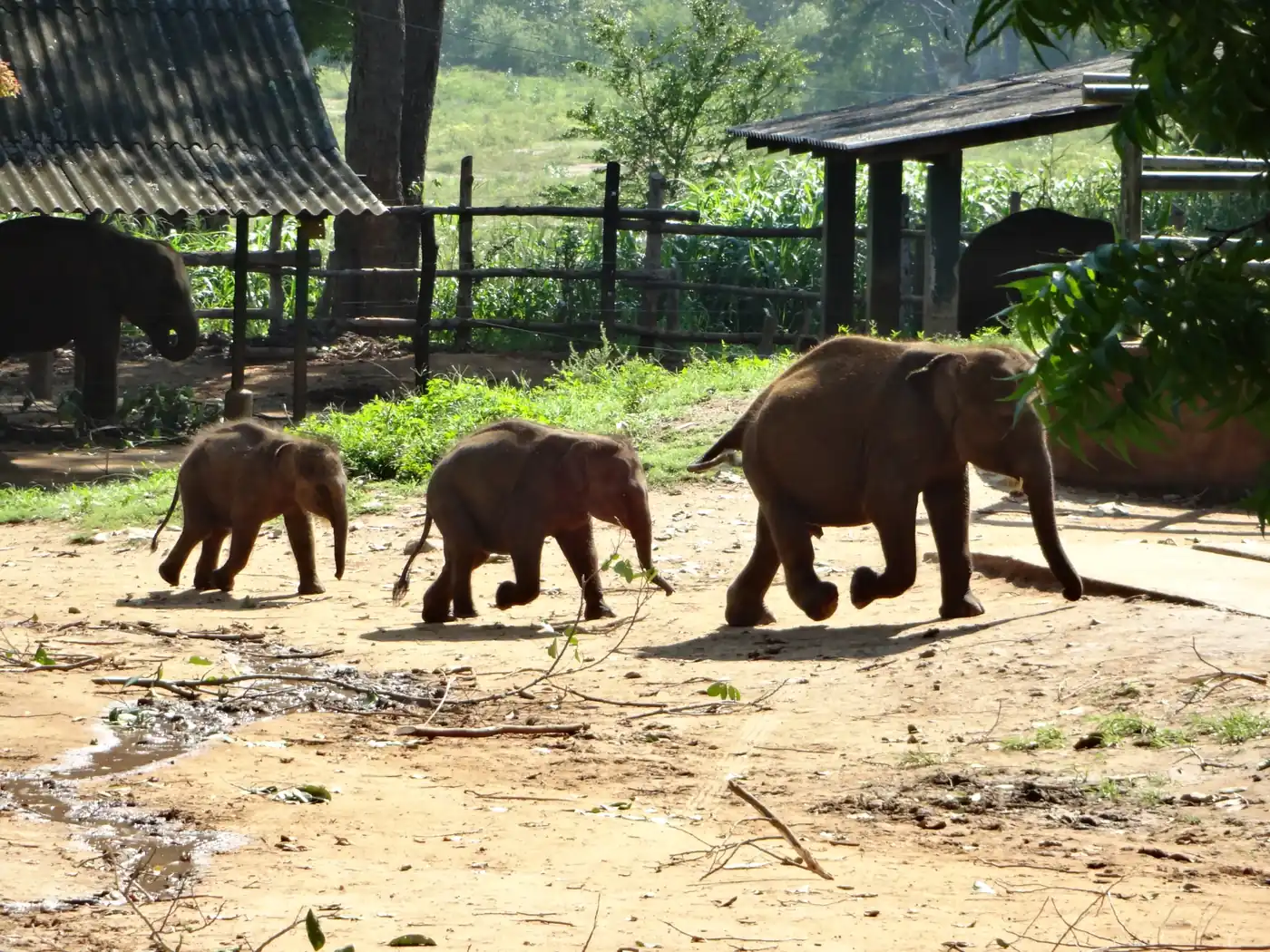
Udawalawe Reservoir and the Elephant Transit Home sit within the same broader Udawalawe landscape.
A relaxed arrival afternoon can include a current public viewing session at the Elephant Transit Home followed by a short reservoir viewpoint stop if daylight remains.
Keep the itinerary simple.
There is little value in adding another long attraction if you are planning an early safari the following morning.
Combine the Reservoir with a Safari
Visiting the reservoir helps explain some of the landscapes you later see inside Udawalawe National Park.
During a safari, you may travel through grassland and water-edge habitats influenced by the same irrigation system.
Seeing the reservoir from a wider public viewpoint before or after your safari helps connect the wildlife with the larger landscape.
This makes the reservoir a worthwhile supporting experience even though it is not a conventional attraction with a single ticket gate.
A Practical 90-Minute Reservoir Visit
Choose One or Two Viewpoints
Ask your accommodation or driver for one or two safe and worthwhile reservoir viewpoints.
Arrive in the Late Afternoon
Bring drinking water, binoculars if you have them and sun protection.
Slow Down and Watch
Spend time observing the shoreline, birds and changing light rather than constantly moving between stops.
Leave Before Darkness
If you are unfamiliar with the surrounding roads, leave before complete darkness.
This is exactly the type of low-effort activity that fits naturally around an Udawalawe safari itinerary.
Is Udawalawe Reservoir Worth Visiting?
Yes, particularly if you want to understand Udawalawe beyond elephant safaris.
The reservoir helps explain why the region looks the way it does today and adds landscape, birdwatching and irrigation history to your visit.
It does not need an entrance fee, organised boating activity or a long checklist of things to do.
Its value comes from understanding the wider water system and enjoying the landscape responsibly.