Location: Udawalawe, beside the national-park landscape
Managed by: Department of Wildlife Conservation
Established: 1995
Core purpose: Rehabilitate orphaned elephant calves for return to the wild
Why the Elephant Transit Home Matters
The Elephant Transit Home is one of the most worthwhile wildlife experiences around Udawalawe because its purpose is fundamentally different from a captive-elephant attraction.
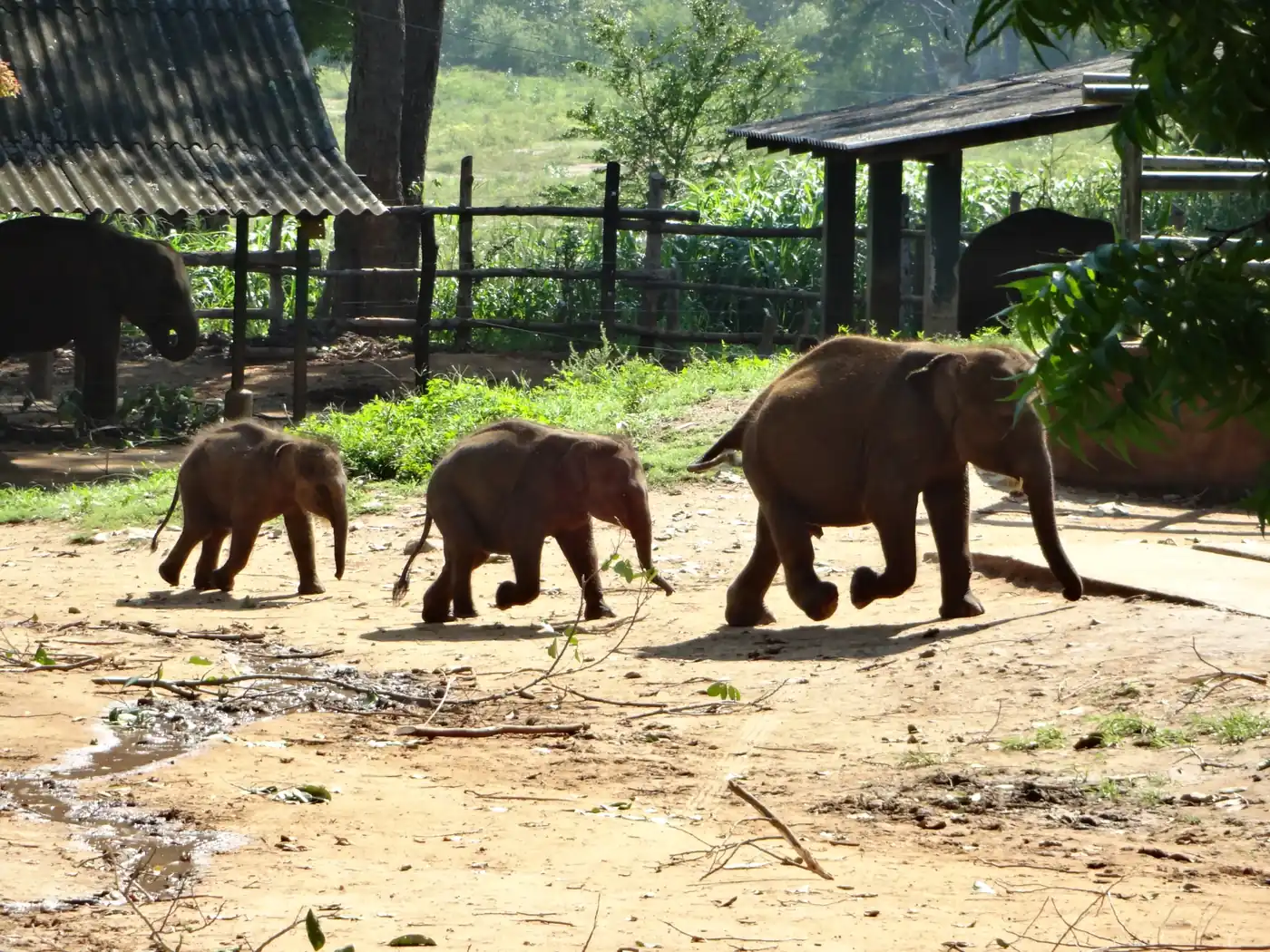
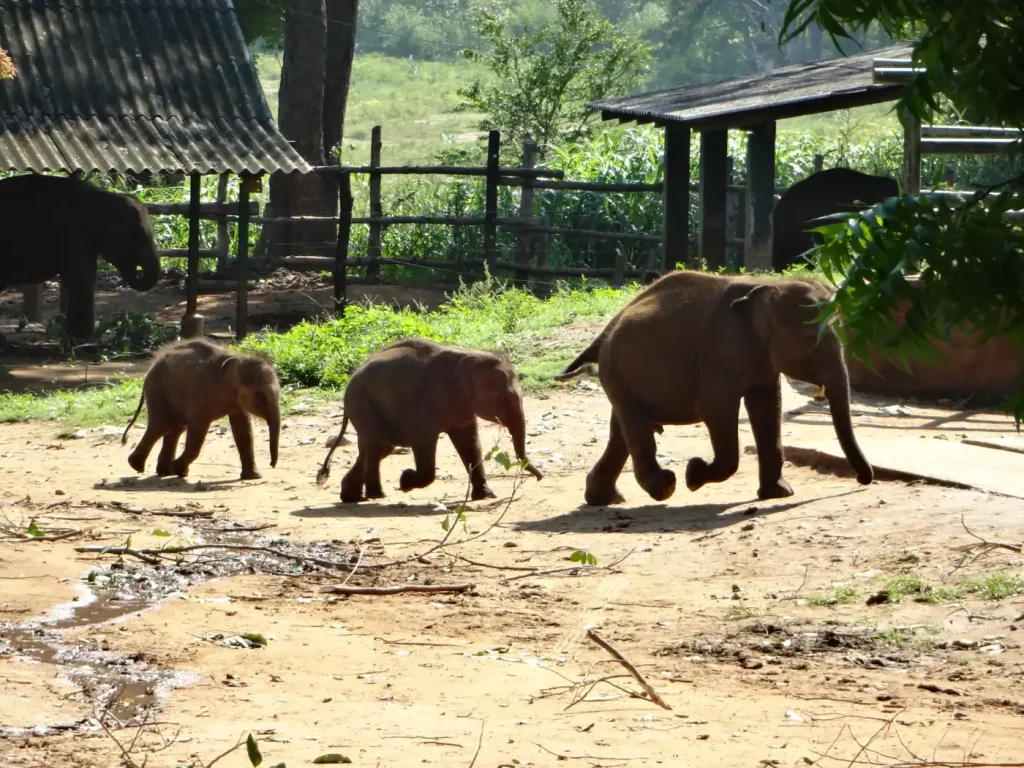
The centre cares for orphaned, injured or displaced elephant calves until they are capable of living more independently and can be released into suitable wild habitat.
The facility is managed by Sri Lanka’s Department of Wildlife Conservation and was established on 6 October 1995.
For visitors, the most important point is simple: rehabilitation and release come first. Tourism is secondary.
A Rehabilitation Centre, Not an Elephant Show
Do not arrive expecting to touch, bathe or bottle-feed elephant calves.
The Transit Home’s conservation model depends on limiting unnecessary human contact so young elephants do not become too accustomed to people.
Visitors normally observe the animals from a designated viewing area rather than entering the elephant enclosure.
That distance is part of responsible rehabilitation practice rather than a limitation of the experience.
Why Orphaned Elephant Calves Need Specialised Care
Young elephants depend heavily on their mothers and family groups.
Calves may become orphaned through accidents, human-elephant conflict, injury, abandonment or the death of their mother.
When a calf cannot safely remain in the wild, specialist veterinary care, nutrition and rehabilitation may be necessary.
The Transit Home provides treatment and appropriate feeding while gradually preparing calves for more independent behaviour.
The goal is not permanent captivity.
Established in 1995
The Elephant Transit Home was established in 1995 under the Department of Wildlife Conservation.
Local official information identifies the first calf cared for at the centre as Komali.
The programme developed around a model in which calves are raised alongside other elephants and later released when they reach a suitable stage of rehabilitation.
This is an important distinction from traditional elephant-orphanage tourism focused mainly on visitor interaction.
Release Back to the Wild
Release is the central conservation objective of the Elephant Transit Home.
Elephants have been returned to forest habitat from the programme since the late 1990s.
However, not every rehabilitation case follows the same timetable.
Veterinary condition, age, behaviour and the elephant’s ability to forage independently all influence decisions about when an animal may be ready for release.
Where Do Visitors Watch the Elephants?
Visitors should expect a controlled viewing area rather than free movement among the elephants.
The purpose is to observe part of the rehabilitation routine without disrupting the animals.
Stay behind barriers, follow staff instructions and avoid calling to elephants or trying to attract their attention.
If the viewing area is crowded, patience is more important than securing the closest position.
Feeding Sessions and Current Times
Feeding is one of the parts of the visit many travellers hope to see.
However, fixed feeding or viewing times should not be treated as permanent because schedules can change.
Confirm the current public-viewing and feeding schedule shortly before visiting through the Elephant Transit Home, the Department of Wildlife Conservation or your accommodation.
Avoid planning your day around a feeding time copied from an old travel blog.
Elephant Transit Home Entrance Fee
Ticket prices can change, so this guide does not publish one permanent foreign-visitor fee.
Confirm the current admission cost at the facility or through a current official or reliable local source before visiting.
This is particularly important when budgeting because older websites may continue displaying outdated prices.
No Touching the Elephants
Visitors should not touch the elephants.
Young calves may appear approachable, but successful rehabilitation depends on preventing unnecessary human habituation.
Respecting the viewing barrier supports the rehabilitation programme more than attempting to create a personal interaction.
If anyone unofficially offers hands-on access around the facility, treat that as a serious warning sign.
No Feeding by Visitors
Do not bring fruit, snacks or other food for the elephant calves.
Their diet forms part of veterinary and rehabilitation management.
Visitors should never throw food, feed animals through barriers or encourage elephants to approach people for snacks.
Watching trained staff provide the appropriate diet is completely different from tourist feeding.
Why Milk Feeding Requires So Much Care
Very young elephant calves require intensive nutritional support.
Milk forms an important part of care for younger calves, while grass and leaves are introduced progressively as the animals develop.
The precise diet varies according to age and veterinary requirements.
For visitors, the key lesson is not how many bottles are used but how much specialised care is required before an orphaned calf can survive independently.
Veterinary Care at the Transit Home
The Elephant Transit Home includes specialist wildlife veterinary care.
The rehabilitation process can involve medical treatment, nutritional management and monitoring as young elephants develop.
This reinforces the fact that the facility is first and foremost a wildlife rehabilitation centre.
Public viewing should never interfere with veterinary treatment or animal care.
Transit Home vs Udawalawe Safari
The Elephant Transit Home and an Udawalawe National Park safari provide very different wildlife experiences.
At the Transit Home, the elephants are undergoing rehabilitation and remain under human care.
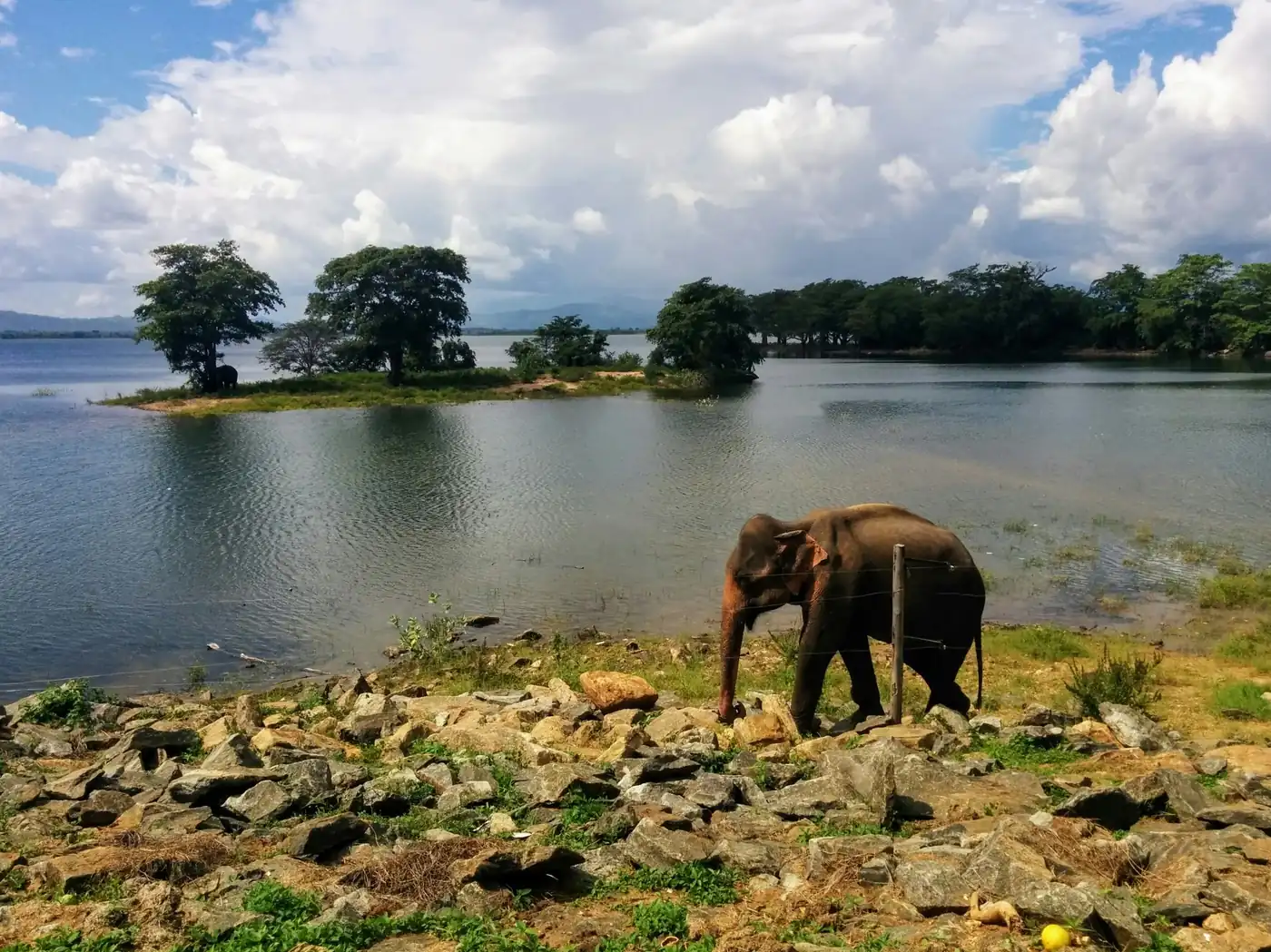
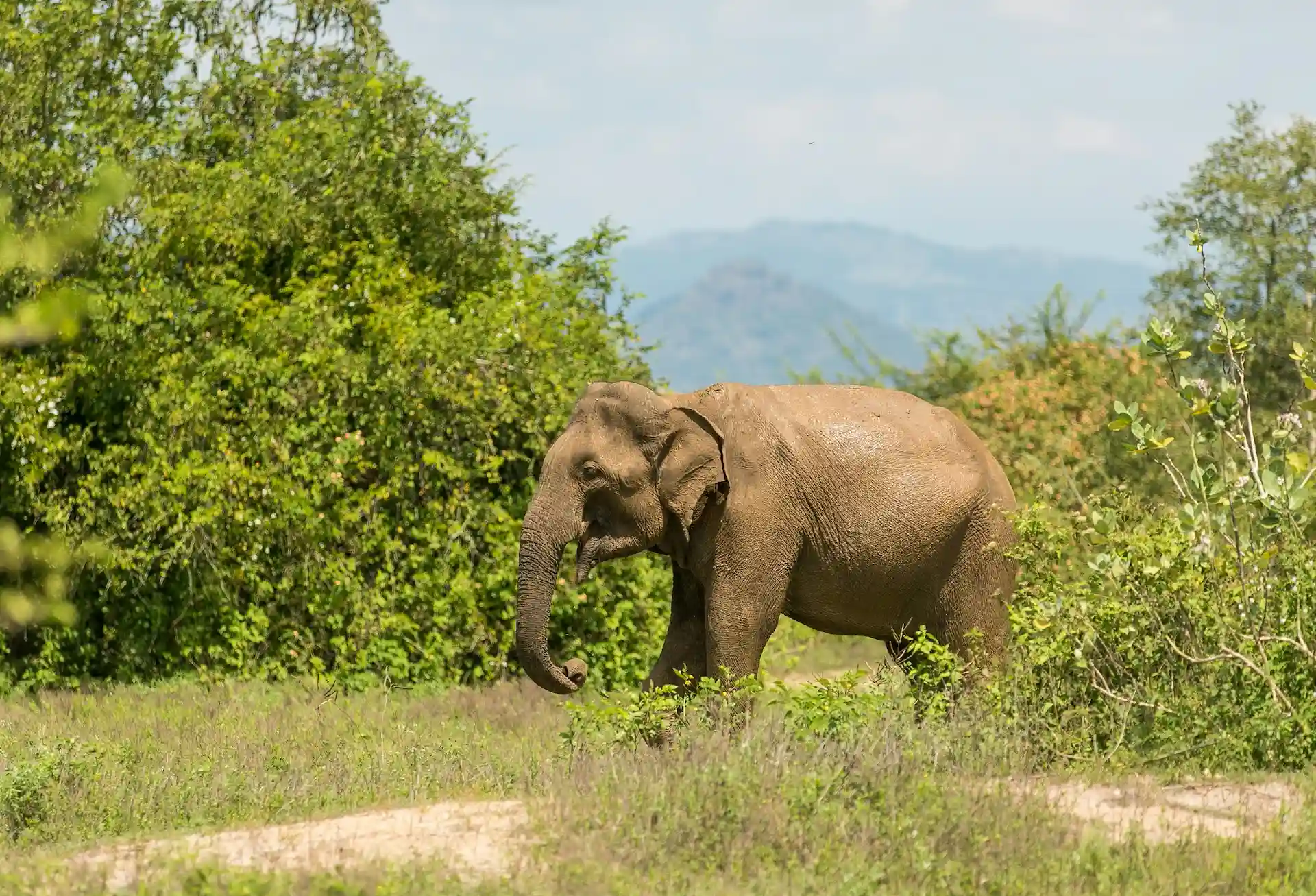
Inside Udawalawe National Park, you are observing free-ranging wildlife making its own decisions within natural habitat.
The two experiences complement each other precisely because they are different.
Visit the Transit Home to understand rehabilitation and conservation, and take a safari to observe wild elephant behaviour.
Best Place in Your Udawalawe Itinerary
The Transit Home fits particularly well into your arrival afternoon.
Reach Udawalawe, confirm the current public-viewing schedule and visit if the timing works comfortably.
Then stay near the national park and take an early safari the following morning.
This keeps the two wildlife experiences separate and avoids trying to fit a long transfer, the Transit Home and a safari into the same exhausting day.
Visiting with Children
The Elephant Transit Home can be especially useful for families because its conservation purpose is easy to explain.
Prepare children before arriving by explaining that there will be no touching, riding or tourist feeding.
Encourage them to watch how the calves group together, move around the enclosure and respond during feeding.
This turns the visit into an educational wildlife experience rather than a search for physical contact.
Photography at the Elephant Transit Home
Photograph the elephants from the designated visitor area.
Do not use flash around the animals or push through crowds to get closer.
A longer lens can help if you want detailed photographs while remaining behind the viewing boundary.
Never encourage staff or other visitors to move an elephant purely to improve your photograph.
Crowds During Viewing Sessions
Public feeding and viewing periods can attract a concentrated group of visitors.
Arrive with enough time to find an appropriate viewing position and accept that the experience may not always feel quiet or private.
Do not climb barriers or hold children above restricted rails.
If the front area becomes crowded, watching from slightly farther back is still enough to understand the rehabilitation programme.
Responsible Elephant Tourism
Sri Lanka offers many elephant-related visitor experiences, but they are not all equivalent.
A useful distinction is whether an activity prioritises wild behaviour or genuine rehabilitation rather than tourist contact.
The Elephant Transit Home’s release-focused approach makes it fundamentally different from experiences built around elephant riding, bathing or forced handling.
For travellers interested in responsible wildlife tourism, the absence of hands-on contact is an important positive feature.
How Long Do You Need?
The Elephant Transit Home does not require half a day.
Allow enough time for the current viewing session, a short period to understand the centre’s work and transport from your accommodation.
The exact duration depends on the viewing schedule operating when you visit.
Do not arrive several hours early simply because an outdated website lists a fixed feeding time.
Is It Worth Visiting After a Safari?
Yes.
A safari shows wild elephants living within their natural habitat.
The Transit Home explains what happens when a vulnerable calf cannot remain safely in the wild and how rehabilitation aims to return suitable animals there.
Together, the two experiences provide a more complete understanding of elephant conservation around Udawalawe.
If your time is extremely limited, prioritise the national-park safari because observing wild behaviour should remain the central wildlife experience.