Location: Udawalawe, on the Sabaragamuwa–Uva border
Best for: Wild elephants, open dry-zone landscapes and birdlife
Safari style: Half-day jeep safari
Key rule: Wildlife sightings are never guaranteed
Why Choose Udawalawe for a Safari?
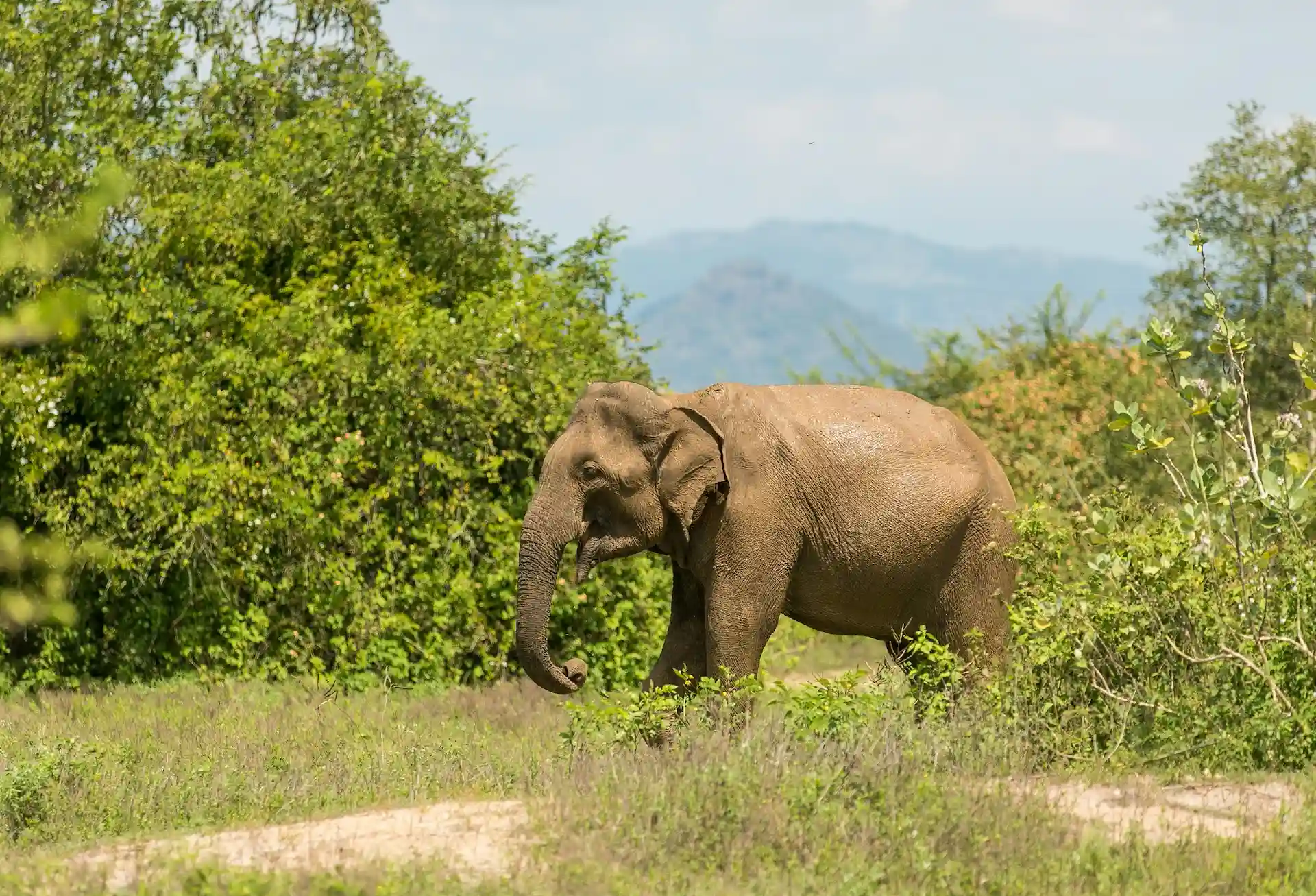
Udawalawe is one of Sri Lanka’s best-known safari destinations for travellers whose main wildlife interest is seeing wild Asian elephants.
The national park was created partly to protect the catchment of Udawalawe Reservoir and provide habitat for wildlife affected by major irrigation development.
That history shaped the landscape visitors see today: open grasslands, scrub, forest, river habitat and reservoir-edge areas rather than the denser vegetation found in some other Sri Lankan parks.
The open terrain can make elephants easier to spot, but they remain completely wild. No month, guide or safari operator can guarantee a close sighting.
A Short History of Udawalawe National Park
Udawalawe National Park was declared on 30 June 1972.
Its creation was closely connected with the Walawe River Development Scheme, the reservoir catchment and the need to protect wildlife habitat affected by large-scale water-development projects.
The reservoir, irrigation system and national park therefore developed as part of the same wider landscape.
Understanding this relationship adds useful context to the safari beyond simply counting how many elephants you see.
What Does the Landscape Look Like?
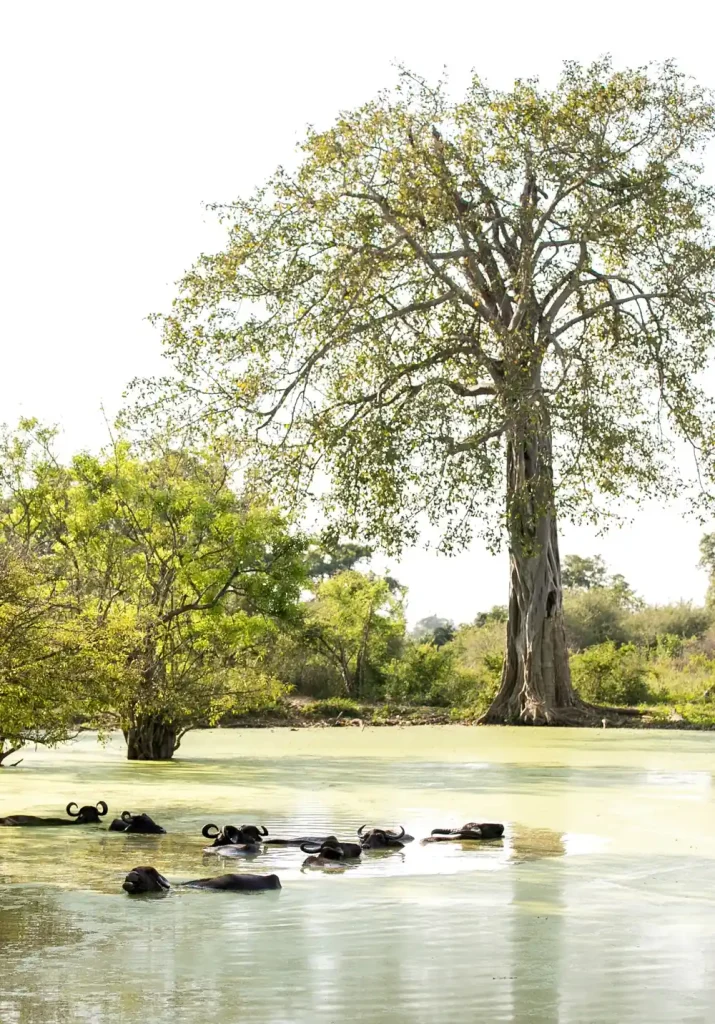
Udawalawe is predominantly open and gently rolling.
The park contains grasslands, savanna-like areas, scrub, riverine vegetation and patches of forest.
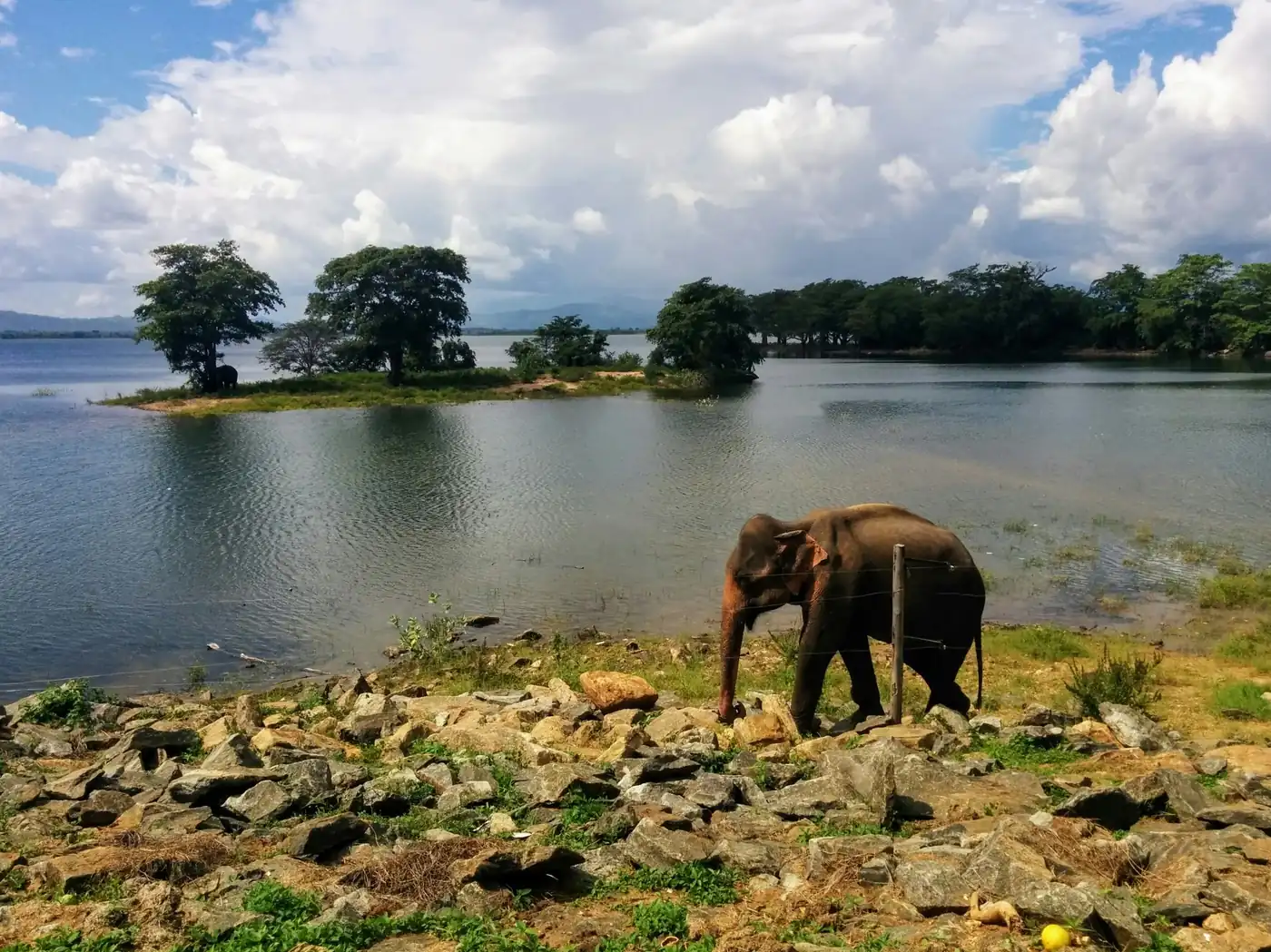
Udawalawe Reservoir and the Walawe River provide important water sources across the surrounding dry-zone landscape.
This combination supports elephants, deer, buffalo, crocodiles, birds and many smaller species while also giving visitors relatively good visibility from a safari jeep.
The park can look dry and sparse during some periods and much greener after rain, so do not expect the landscape to appear identical throughout the year.
Elephants Are the Main Attraction
Elephants are the main wildlife reason most travellers choose Udawalawe.
The park is an important habitat for wild Asian elephants, but it also supports buffalo, spotted deer, sambar, wild boar, crocodiles, monkeys and a wide variety of birds.
Leopards also occur within the wider ecosystem, although Udawalawe should not be planned as a leopard-focused safari.
If elephants are your main wildlife priority, Udawalawe fits naturally into a Sri Lanka itinerary. If your primary interest is the possibility of leopard sightings, you may also want to compare it with Yala National Park.
Best Time of Year for Udawalawe Safari
Udawalawe can be visited throughout the year.
Wildlife distribution changes according to rainfall, water availability, vegetation and food.
During drier periods, some animals may concentrate more visibly around water and open grazing areas, while wetter conditions may allow them to spread across a wider area.
Neither situation guarantees a better safari.
Choose your travel month around your wider Sri Lanka itinerary and assess current safari conditions closer to your visit.
Morning or Afternoon Safari?
Both morning and afternoon safaris can work well.
Morning safaris generally offer cooler temperatures, softer light and strong bird activity.
Afternoon safaris can also be rewarding as the temperature begins to fall and elephants move between feeding and water areas.
There is no universal rule that one session is always better.
Ask your accommodation or safari operator about recent sightings, road conditions and weather before choosing the session that best fits your itinerary.
How Long Should an Udawalawe Safari Be?
A half-day safari is enough for most first-time visitors.
The exact amount of time inside the park depends on permit arrangements, wildlife movements, road conditions and your operator.
A longer drive does not automatically mean a better safari.
Spending time quietly watching an elephant family behaving naturally can be more rewarding than driving for hours chasing reports of another sighting.
Focus on observation rather than simply covering as much distance as possible.
Udawalawe Safari Permits
Udawalawe is managed by Sri Lanka’s Department of Wildlife Conservation.
The Department of Wildlife Conservation operates a Day Visitor ePermit reservation system that allows visitors to select the park and date, enter group and vehicle details, make payment and retain a QR-code receipt for entry.
You can also arrange practical entry through a safari operator, but always ask exactly what is included.
Park fees and permit arrangements can change, so check the current official system close to your travel date rather than relying on an old published price.
Jeep Hire and Park Fees Are Different
When comparing Udawalawe safari prices, ask for the complete total.
A jeep quote may not include Department of Wildlife Conservation admission, taxes, guide services or hotel transfers.
Some safari companies quote one all-inclusive amount, while others separate each component.
Ask in writing what the price includes before your safari begins.
A cheap headline jeep rate is not useful if significant park charges are added later.
How to Choose a Responsible Safari Operator
Ask potential operators how their drivers behave around elephants and other wildlife.
A responsible operator should explain that animals are given space, road crossings are kept clear and family groups are not surrounded simply to create close photographs.
Avoid drivers whose main selling point is getting closer to wildlife than other jeeps.
Wildlife etiquette should be part of the operator’s normal approach, not something discussed only after an animal becomes uncomfortable.
Give Elephants Space to Cross
One of the clearest signs of a responsible safari is what happens when an elephant approaches the road.
The jeep should stop at a sensible distance and allow the elephant to decide whether it wants to cross.
Do not encourage the driver to move forward for a closer photograph, block the road or position the vehicle around both sides of an elephant family.
Watching a calm, natural road crossing is far more meaningful than creating a forced close encounter.
Never Feed Wild Elephants
Never feed wild elephants under any circumstances.
Feeding changes their natural behaviour and can teach elephants to approach people and vehicles for food.
This creates risks for elephants, visitors and nearby communities.
Do not throw fruit or other food from the safari jeep, and avoid any operator who encourages visitors to feed wildlife.
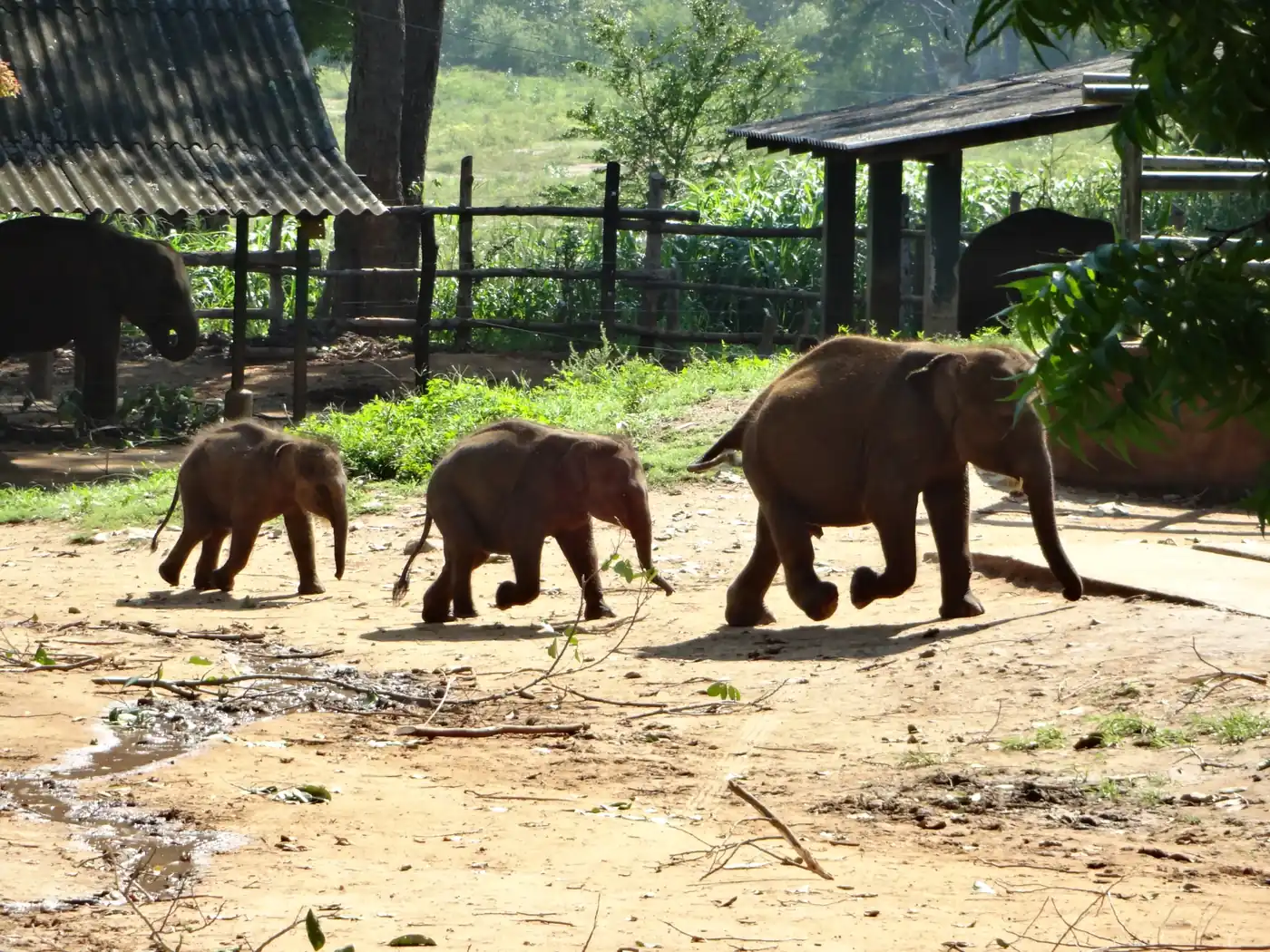
Elephant Calves and Family Groups
Give elephant calves and family groups additional space.
Adult females may position themselves protectively around younger elephants, particularly if vehicles crowd the group.
Do not ask your driver to move closer simply because you want a photograph of a calf.
The safest and most respectful viewing often comes from stopping farther away and allowing the family to continue feeding and moving naturally.
What If an Elephant Approaches the Jeep?
Remain seated and follow your driver’s instructions.
Do not stand up, shout, reach towards the animal or suddenly move around the jeep trying to take photographs.
An experienced driver should create space before an encounter becomes tense.
If an elephant repeatedly shows signs of agitation, moving away is more responsible than waiting for a dramatic reaction.
Birdwatching in Udawalawe
Udawalawe is also an excellent destination for travellers who pay attention beyond the park’s large mammals.
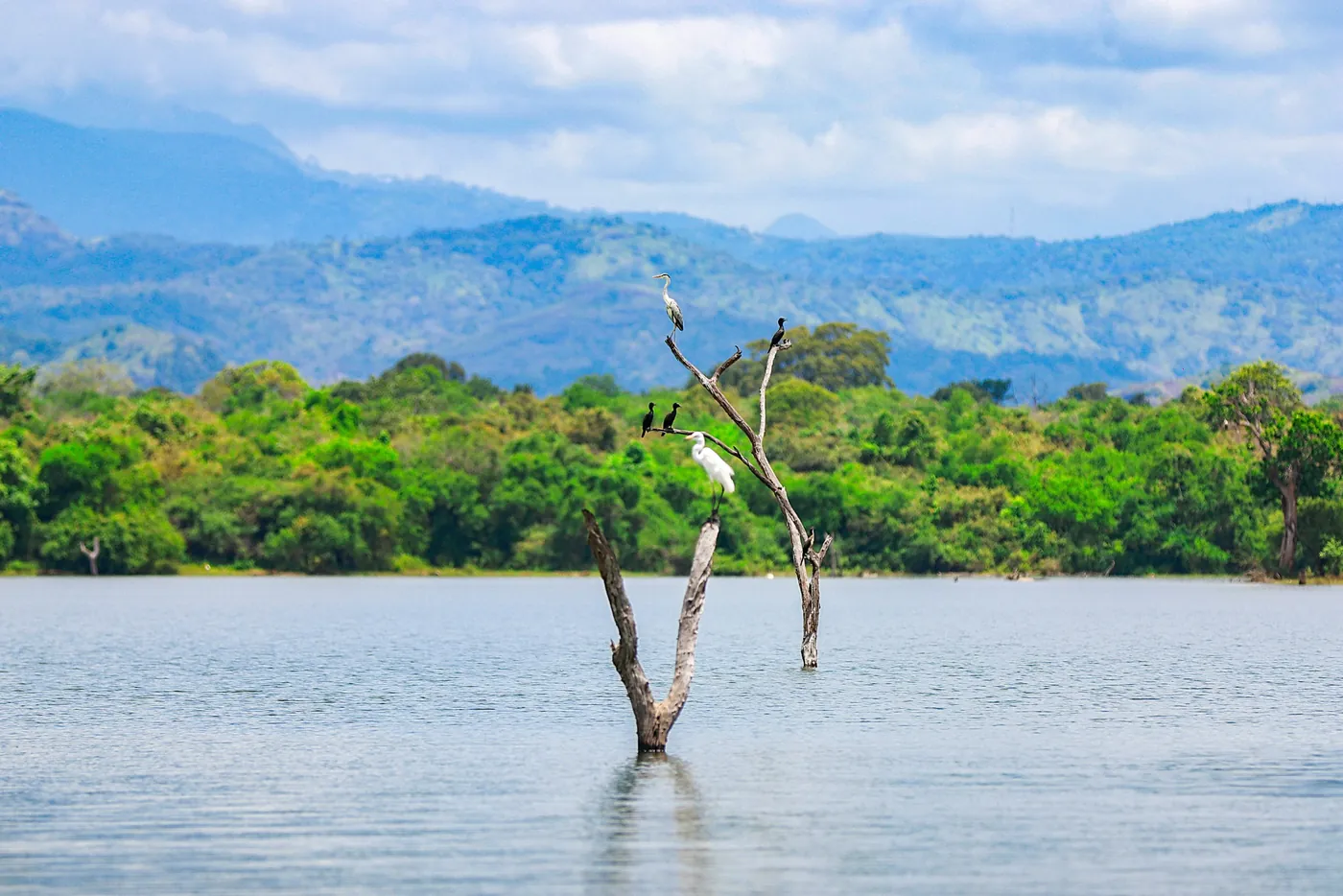
Raptors, hornbills, waterbirds and many other dry-zone species occur around the park and reservoir.
Bring binoculars if you have them.
A quieter safari that pauses for eagles, bee-eaters, crocodiles and other wildlife can feel much richer than one spent racing between elephant sightings.
Crocodiles and Reservoir-Edge Habitat
Mugger crocodiles occur within Udawalawe’s water systems.
Remain inside your safari vehicle unless your guide and park rules clearly permit a designated stop.
Never approach reservoir or river edges independently.
A calm-looking water margin can still contain wildlife and other hazards that are difficult to see from the road.
Follow instructions from your driver and wildlife officers.
Wildlife Photography in Udawalawe
Use a moderate or long lens rather than asking your driver to move the jeep closer to an animal.
Turn off flash around wildlife and keep cameras and other equipment secure on rough tracks.
Do not stand on seats or lean dangerously outside the vehicle for photographs.
Some of the strongest safari photographs show elephants behaving naturally within the wider landscape rather than filling the frame because a jeep has moved too close.
Dust, Heat and Rain
Udawalawe can be hot and dusty, especially on dry safari tracks.
A scarf or buff can be useful against dust, while a lightweight rain layer is helpful during sudden showers.
Carry drinking water and sun protection.
Early morning can feel surprisingly cool in an open safari jeep, particularly during the first hour, so a light extra layer is useful.
Keep camera equipment protected from dust when you are not using it.
Udawalawe Safari with Children
Udawalawe can be one of Sri Lanka’s more straightforward safari choices for families.
The open landscape can make wildlife easier for children to spot, while a half-day safari avoids the exhaustion of spending an entire day in a jeep.
Keep children seated when animals are nearby and explain beforehand that a national park is not a zoo.
Bring water, snacks and sun protection, but never allow food to be thrown towards wildlife.
Where to Stay in Udawalawe
Stay near the national park entrance or around Udawalawe town if you want an efficient early-morning safari.
One night can work for a tight itinerary: arrive during the afternoon, visit the Elephant Transit Home if the current public-viewing schedule suits your arrival, stay overnight and take an early safari the following morning.
Two nights are better if you prefer a slower pace or want some flexibility for weather and safari timing.
Udawalawe fits particularly well between Sri Lanka’s south coast and Ella or other inland destinations.
Udawalawe or Yala?
Udawalawe and Yala offer different safari experiences.
Udawalawe is particularly associated with wild elephants, open landscapes and a straightforward one- or two-night wildlife stop.
Yala is more commonly chosen by travellers particularly interested in the possibility of leopard sightings alongside a broader mix of safari habitats.
Neither park guarantees wildlife sightings.
Choose according to the wildlife experience that interests you rather than treating the two parks as interchangeable versions of the same safari.
A Practical One-Night Udawalawe Itinerary
Day 1 – Arrive in Udawalawe
Arrive during the afternoon and settle into accommodation close to the park.
Visit the Elephant Transit Home only if the current public-viewing schedule fits comfortably with your arrival time.
Have an early dinner and prepare for the following morning’s safari.
Day 2 – Morning Safari
Take an early safari through Udawalawe National Park.
A half-day session gives most first-time visitors enough time to explore the open landscape and observe wildlife without turning the experience into an exhausting full-day drive.
After the Safari
Return to your accommodation for breakfast or a short rest before continuing towards Ella, Tangalle or another destination.
This makes Udawalawe one of the easiest wildlife stops to include between Sri Lanka’s south coast and Hill Country.