Discover the remarkable beauty of Parakrama Samudra, an ancient reservoir where vast waters, peaceful landscapes and spectacular sunsets reveal the engineering achievements of Sri Lanka’s medieval kingdom.
Located beside the historic city of Polonnaruwa, this enormous man-made reservoir was developed during the reign of King Parakramabahu I. Surrounded by open countryside, wetlands and traditional agricultural landscapes, it remains one of the region’s most impressive historical landmarks.
Today, visitors can enjoy panoramic water views, observe birdlife and experience a quieter side of Sri Lanka’s Cultural Triangle.
For more information about the surrounding ancient city, explore our Polonnaruwa Destination Guide.
Location: Western side of Polonnaruwa, North Central Province
Best for: Ancient history, landscapes, birdwatching and sunset photography
Time needed: Approximately 1–2 hours
Best time to visit: Late afternoon, particularly before sunset
Admission: Free access from public reservoir viewpoints
Getting around: Tuk-tuk, bicycle or private vehicle
Ancient waters beneath golden evening skies
Why Visit Parakrama Samudra?
Parakrama Samudra is one of the most remarkable examples of ancient irrigation engineering in Sri Lanka.
Its vast expanse of water stretches alongside the historic city of Polonnaruwa, creating a beautiful landscape of open horizons, wetlands and surrounding countryside.
Built through the expansion and connection of earlier reservoirs, the system demonstrates the sophisticated water-management techniques developed during Sri Lanka’s medieval period.
The reservoir continues to support agriculture in the surrounding region, preserving its importance to local communities centuries after its construction.
For visitors, Parakrama Samudra offers a peaceful setting for scenic walks, birdwatching and photography, with late afternoon providing particularly beautiful views across the water.
The History of Parakrama Samudra
Parakrama Samudra, meaning the Sea of Parakrama, is closely associated with King Parakramabahu I, who ruled Polonnaruwa from 1153 to 1186.
During his reign, the kingdom experienced significant development in agriculture, architecture and irrigation engineering.
Water management was essential to supporting the population of Polonnaruwa and cultivating rice across Sri Lanka’s dry-zone landscape.
King Parakramabahu I expanded the region’s irrigation infrastructure, bringing together earlier reservoirs through an extensive network of embankments and connecting canals.
The system incorporated historic water bodies, including Thopa Wewa, Eramudu Wewa and Dumbutulu Wewa.
Additional reservoirs formed part of the original development, although later reconstruction changed the arrangement of the wider system.
Ancient Irrigation Engineering
The reservoir was designed to collect, store and distribute water across extensive agricultural areas.
Its substantial earthen embankments, canals and sluices allowed water levels to be controlled and directed towards cultivated land.
The main embankment extends for approximately 12.4 kilometres, demonstrating the extraordinary scale of the construction.
The reservoir was also supplied through channels connected with the Amban Ganga river system, helping maintain water availability for agriculture.
These engineering achievements enabled the surrounding dry-zone landscape to support extensive rice cultivation and established Polonnaruwa as a prosperous medieval capital.
King Parakramabahu’s Water Management Legacy
King Parakramabahu I is remembered for his emphasis on conserving and using water for the benefit of the population.
A famous principle associated with his reign encouraged the productive use of rainfall before allowing water to reach the sea.
This philosophy influenced the development of irrigation infrastructure throughout the kingdom.
Parakrama Samudra remains one of the most impressive surviving examples of this approach, continuing to supply water to agricultural communities today.
What Makes Parakrama Samudra Special?
Parakrama Samudra covers approximately 22 square kilometres, making it one of Sri Lanka’s largest historic reservoirs.
Its enormous water surface creates an almost sea-like appearance, particularly when viewed from the long embankment.
The surrounding landscape combines open water, grassy banks, agricultural fields and wetland habitats.
During calm weather, reflections of clouds and surrounding vegetation create beautiful patterns across the reservoir.
Water levels change with seasonal rainfall and irrigation requirements, giving the landscape a different appearance throughout the year.
The reservoir’s continuing role in agriculture also adds historical significance, connecting modern Polonnaruwa with the engineering achievements of its ancient kingdom.
Best Time to Visit and Sunset Views
Late afternoon is the most rewarding time to experience Parakrama Samudra.
As temperatures begin to fall, the reservoir becomes more comfortable for walking and photography.
The lower sunlight creates warm colours across the water, while the open horizon provides beautiful views of the changing sky.
Sunset at Parakrama Samudra
Sunset is one of the reservoir’s most memorable experiences.
As the sun descends towards the horizon, golden light spreads across the water and surrounding landscape.
Cloud formations can create dramatic reflections, with changing shades of orange, pink and purple appearing across the evening sky.
The reservoir’s broad shoreline provides several attractive viewing positions, particularly along publicly accessible sections of the embankment.
Arriving approximately 30–60 minutes before sunset allows enough time to find a suitable viewpoint and enjoy the changing light.
Seasonal Weather
Polonnaruwa experiences a warm tropical climate, with high daytime temperatures throughout much of the year.
January to March generally offers pleasant conditions for exploring the surrounding archaeological attractions, particularly during the cooler morning and evening hours.
Rainfall increases during the northeast monsoon period, which typically affects the region between October and January.
After substantial rainfall, the reservoir may appear fuller, while surrounding vegetation becomes greener.
The landscape can be enjoyed year-round, with weather and water levels creating different photographic opportunities.
Where to View Parakrama Samudra
The reservoir’s extensive shoreline offers several opportunities to appreciate its scale and surrounding scenery.
Public roads and recognised sections of the embankment provide convenient access to panoramic water views.
The Main Reservoir Embankment
The main embankment is one of the most accessible locations for enjoying the reservoir.
From suitable stopping areas, visitors can admire the broad expanse of water and the surrounding countryside.
Its elevated position makes it particularly attractive for landscape photography, especially during the late afternoon.
Walking Beside the Reservoir
A short walk along publicly accessible sections of the reservoir provides an enjoyable way to experience the peaceful setting.
Allow approximately 30–60 minutes for a relaxed walk, including photography and opportunities to observe birds.
Choose suitable paths and roadside areas, remaining aware of traffic and uneven ground.
The exposed shoreline can become hot during midday, making morning and late-afternoon walks more comfortable.
Birdwatching and Wildlife
Parakrama Samudra and its surrounding wetlands provide habitats for a variety of birds and other wildlife.
The combination of open water, shallow edges and nearby vegetation attracts numerous water-associated species.
Visitors may observe herons, egrets, cormorants, kingfishers and other birds searching for food around the shoreline.
Birdwatching is particularly rewarding during the cooler early-morning and late-afternoon hours.
A pair of binoculars or a camera with a zoom lens is useful for observing birds from a comfortable distance.
Wildlife Around the Reservoir
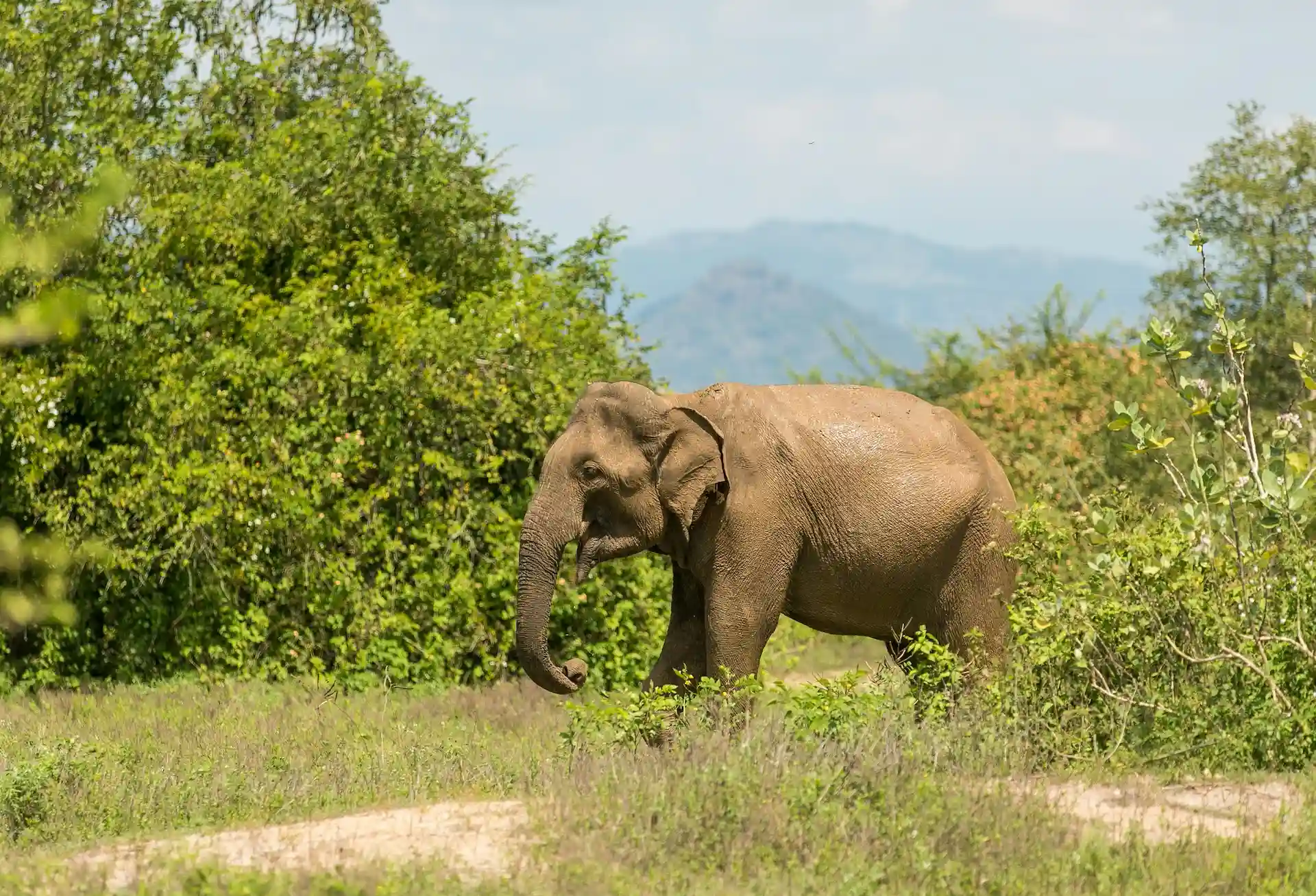
The wider Polonnaruwa region supports a range of wildlife associated with Sri Lanka’s dry-zone forests and wetlands.
Water monitor lizards and other reptiles may be encountered near suitable shoreline habitats.
Crocodiles can also occur in dry-zone reservoirs and waterways, making it important to remain clear of isolated water edges.
Observe wildlife quietly and avoid feeding animals or approaching nesting areas.
Photography at Parakrama Samudra
Parakrama Samudra is an excellent destination for travellers interested in landscape and nature photography.
The wide water surface, long embankment and changing sky provide opportunities for beautiful compositions.
A wide-angle lens works particularly well for capturing the scale of the reservoir and its surrounding countryside.
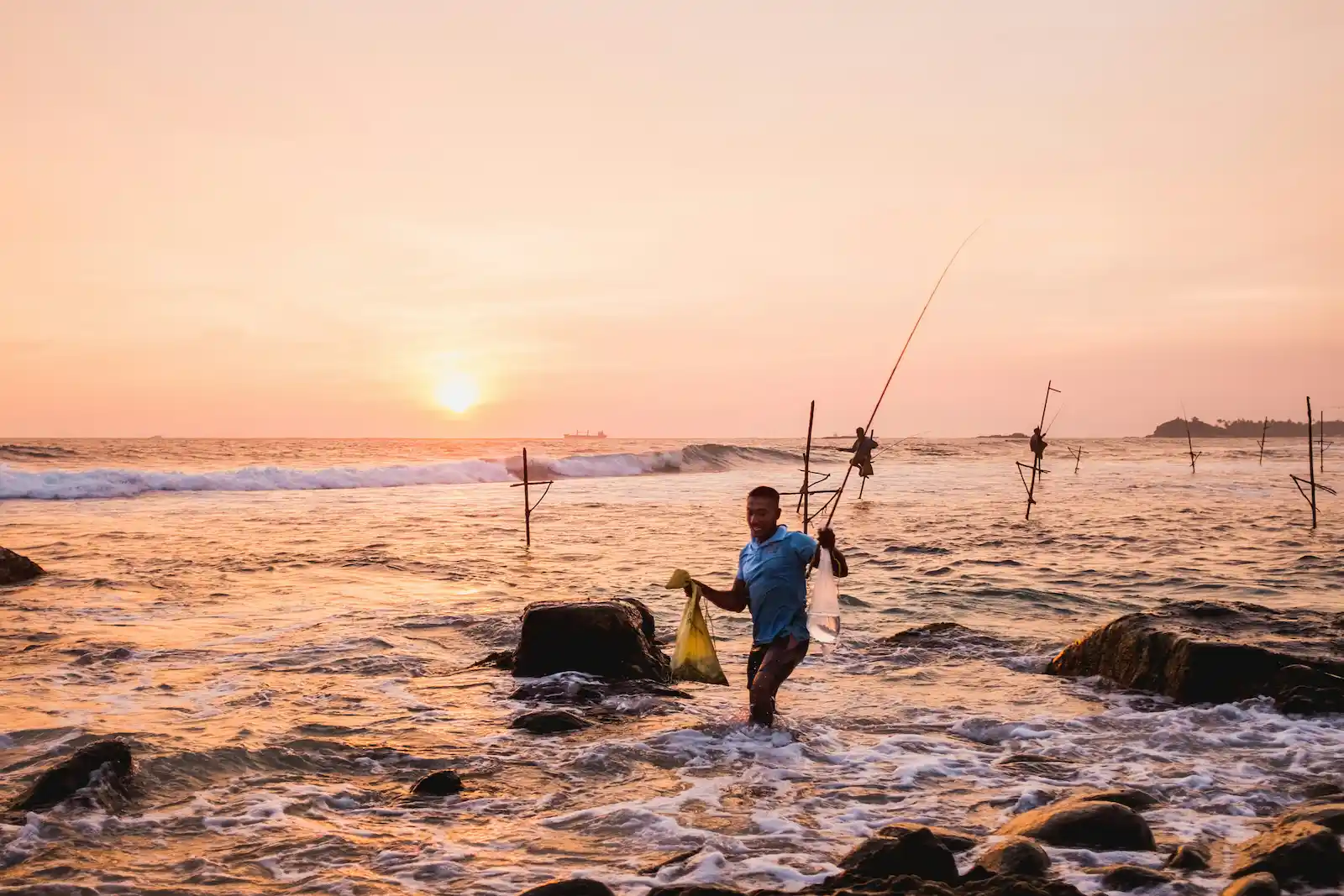
A moderate zoom lens can highlight distant trees, fishing boats and patterns of light reflected across the water.
For bird photography, a longer lens allows visitors to photograph wildlife without approaching sensitive habitats.
When including fishermen or local residents in photographs, ask permission before taking close-up portraits.
Choose safe stopping locations and avoid obstructing roads or entering restricted irrigation areas.
How to Get to Parakrama Samudra
Parakrama Samudra is located beside Polonnaruwa, making it convenient to visit while exploring the ancient city.
The reservoir can be reached from central Polonnaruwa by tuk-tuk, bicycle or private vehicle.
By Tuk-Tuk
A tuk-tuk is one of the easiest ways to reach the main reservoir viewpoints.
Visitors can arrange a short journey from their accommodation or include the reservoir as an additional stop during a tour of Polonnaruwa.
Local drivers are familiar with suitable viewing locations and can arrange a return journey after sunset.
Agree on the total fare before departing.
By Bicycle
Cycling is a popular way to explore Polonnaruwa’s archaeological attractions and surrounding landscapes.
Visitors can cycle along appropriate public roads near the reservoir, enjoying views across the water and neighbouring countryside.
Bicycles are available for hire through local accommodation providers and rental businesses.
Plan your journey during cooler hours, carry sufficient drinking water and use suitable lights if returning after sunset.
By Private Vehicle
A private vehicle is convenient for families and travellers who prefer limited walking.
The reservoir can be included during a wider sightseeing excursion through Polonnaruwa, with stops at established viewpoints along the route.
Park only in permitted locations and avoid blocking roads used by local residents and agricultural vehicles.
Entrance Fees and Visitor Facilities
Parakrama Samudra can be enjoyed free of charge from public roads and established reservoir viewpoints.
A separate admission ticket is required for entry to the ticketed archaeological areas of the Ancient City of Polonnaruwa.
The reservoir itself is an extensive outdoor landscape, with basic visitor facilities available around the town and nearby establishments.
Shops, restaurants and accommodation can be found in central Polonnaruwa.
For a comfortable visit, carry drinking water, sunscreen and a hat, especially when exploring during warmer hours.
A lightweight insect repellent may also be useful around the water during the evening.
Water Safety and Responsible Visiting
Parakrama Samudra remains an active irrigation reservoir, with changing water depths, operational structures and natural wildlife habitats.
Swimming is not recommended because of submerged hazards, changing water conditions and the possible presence of crocodiles.
Visitors should enjoy the reservoir from recognised viewing areas and public paths.
Avoid climbing onto sluice structures, crossing barriers or entering restricted agricultural and irrigation facilities.
Families travelling with children should maintain close supervision near exposed banks and roadside areas.
Take all rubbish away, respect fishing activities and avoid disturbing wildlife.
Drone photography is subject to Sri Lankan aviation regulations and any restrictions applying to the surrounding land or archaeological areas.
Combine Parakrama Samudra with Ancient Polonnaruwa
Parakrama Samudra is an excellent addition to a visit to the UNESCO-listed Ancient City of Polonnaruwa.
While the reservoir demonstrates the kingdom’s sophisticated irrigation systems, the surrounding archaeological sites reveal its royal, religious and architectural achievements.
Polonnaruwa Royal Palace Complex
The Royal Palace Complex preserves the remains of buildings associated with King Parakramabahu I.
Its substantial brick walls, Audience Hall and surrounding structures provide an insight into the political and administrative life of the medieval kingdom.
For more information, explore our Polonnaruwa Royal Palace Complex Visitor Guide.
Gal Vihara
Gal Vihara is one of Polonnaruwa’s most remarkable Buddhist landmarks, featuring four magnificent Buddha images carved into a granite rock face.
The sculptures represent some of the finest artistic achievements of the twelfth-century kingdom.
Read our Gal Vihara Polonnaruwa Sacred Visitor Guide for historical information and practical visiting advice.
Is Parakrama Samudra Worth Visiting?
Parakrama Samudra is one of Polonnaruwa’s most rewarding attractions, combining extraordinary ancient engineering with peaceful natural scenery.
Its vast waters, historic embankments and beautiful sunset views provide a memorable contrast to the temples, palaces and monuments of the ancient city.
For travellers exploring Sri Lanka’s Cultural Triangle, Parakrama Samudra offers a wonderful opportunity to appreciate the agricultural heritage and natural beauty that continue to shape Polonnaruwa today.