Discover Yala National Park, one of Sri Lanka’s most celebrated wildlife destinations and a remarkable place to experience the island’s natural heritage. Famous for its Sri Lankan leopards, wild elephants, sloth bears and extraordinary birdlife, Yala offers an unforgettable safari experience across dry forests, open grasslands, rocky outcrops and scenic lagoons.
This complete visitor guide explains how to book a responsible Yala safari, choose between half-day and full-day experiences, understand the park’s different blocks, arrange entrance permits, select a reliable safari operator and enjoy wildlife encounters safely.
Location: South-eastern Sri Lanka
Best for: Leopards, elephants, sloth bears, crocodiles and birdwatching
Safari experience: Guided wildlife viewing in an authorised safari jeep
Popular entrance: Palatupana, serving the heavily visited Block 1 area
Recommended duration: Half-day safari for most first-time visitors
Alternative: Full-day safari for dedicated wildlife enthusiasts
Best safari periods: Early morning or late afternoon
Accommodation bases: Tissamaharama, Kirinda, Kataragama and lodges near the park
Park authority: Department of Wildlife Conservation
Wild leopards across Sri Lanka’s wilderness
Discover Yala National Park
Yala National Park is one of Sri Lanka’s most famous protected wildlife areas, attracting visitors from around the world who want to experience animals in their natural environment.
Situated in the island’s south-eastern region, the park is known for its remarkable variety of habitats, including dry-zone forest, scrubland, grasslands, freshwater wetlands, lagoons and coastal landscapes.
This environmental diversity supports an impressive range of wildlife, from Sri Lankan leopards and Asian elephants to crocodiles, deer, monkeys and numerous bird species.
For many travellers, the chance of seeing a wild leopard is the main attraction. However, the true appeal of Yala extends far beyond one animal.
A safari provides opportunities to observe how wildlife interacts with the surrounding landscape, from elephants feeding beside waterholes to birds hunting over open grassland.
Every safari is different because the animals move freely throughout their natural habitats.
Why Yala Is Famous for Wildlife Safaris
Yala has developed an international reputation as one of the leading places to search for wild leopards in Sri Lanka.
Its combination of suitable habitat and a significant leopard population makes it particularly attractive to wildlife enthusiasts and photographers.
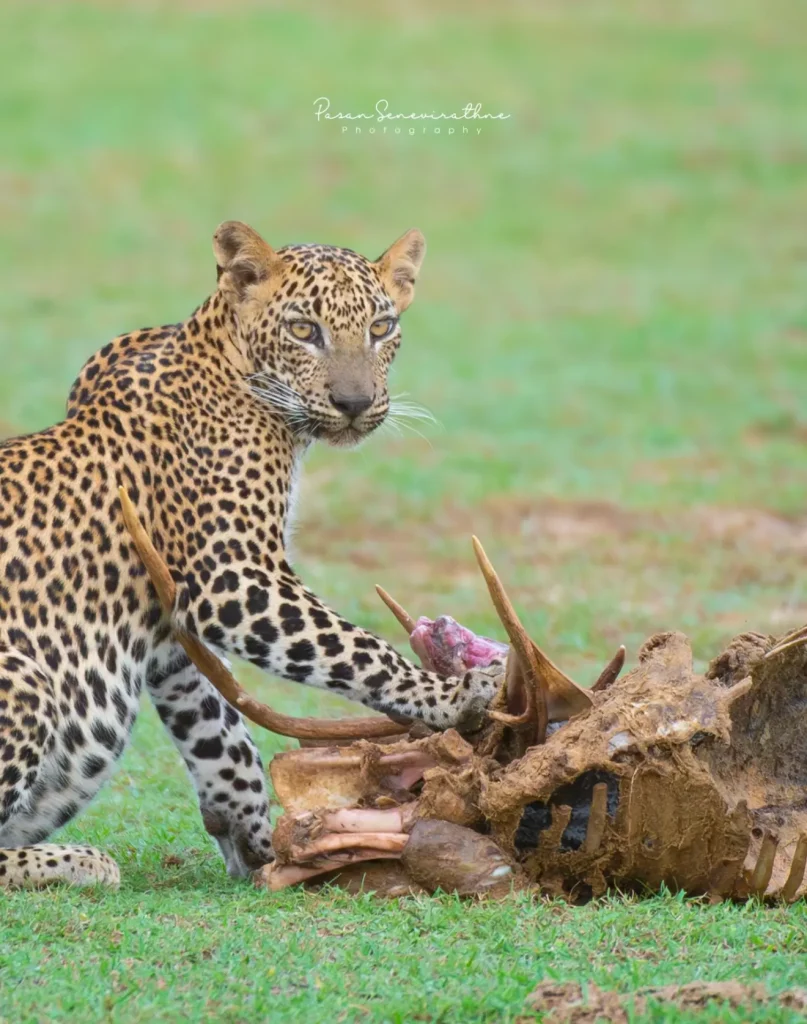
Photography: @pasan_senevirathne_photography/Instagram
The park also supports wild elephants, sloth bears, crocodiles, spotted deer, sambar, buffalo and many smaller mammals.
Birdwatchers can enjoy a varied landscape containing raptors, waterbirds, peafowl and species associated with Sri Lanka’s dry-zone environments.
Yala’s appeal also comes from its scenery. Rocky formations, open plains, lakes and forest tracks create a changing landscape throughout the safari.
For international travellers, this variety makes Yala one of the most rewarding introductions to Sri Lanka’s wildlife.
Understanding Yala’s Natural Landscape
Yala National Park contains several different ecosystems within a single protected landscape.
Dry monsoon forest and scrubland provide cover for mammals, while open grasslands allow grazing animals and hunting birds to be observed more easily.
Waterholes, reservoirs and lagoons attract wildlife, particularly when conditions become dry and animals depend on remaining water sources.
Rocky outcrops create resting places and elevated viewpoints for animals such as leopards.
Coastal environments add another dimension, supporting habitats that differ from the inland forest and grasslands.
These varied environments explain why wildlife sightings can be different from one part of the park to another.
How Does a Yala Jeep Safari Work?
Visitors explore Yala National Park in safari jeeps driven by authorised operators familiar with the park’s roads, wildlife and regulations.
The experience begins at an approved entrance, where the required permits and vehicle arrangements are checked.
Once inside, the driver follows permitted safari tracks through the park’s different habitats.
Wildlife may appear beside the road, among the trees, near waterholes or at a considerable distance from the vehicle.
Some encounters last only a few seconds, while others allow time to observe animals feeding, resting or interacting.
A professional safari driver knows when to stop, how to position the vehicle responsibly and when to give animals more space.
The best safaris balance wildlife observation, visitor safety and respect for the natural environment.
Leopards at Yala National Park
The Sri Lankan leopard is Yala’s most famous animal and one of the main reasons wildlife enthusiasts visit the national park.
This magnificent wild cat is an apex predator within Sri Lanka’s terrestrial ecosystems.
Yala is particularly well known for its high leopard density, especially in the areas associated with its established safari reputation.
Leopards may be seen resting on rocks, walking along tracks or moving through scrubland in search of prey.
They are solitary animals, and their movements depend on territory, food availability, weather and natural behaviour.
A sighting can be extraordinary, but no Yala safari can guarantee that you will see a leopard.
Are Leopard Sightings Guaranteed?
Leopards are wild animals, so sightings depend entirely on their natural movements.
Even in a park with a significant leopard population, an animal may remain hidden in dense vegetation or move away before visitors arrive.
On some safaris, leopards appear close to the road. On others, they may be visible only at a distance or not appear at all.
The quality of a safari should therefore not be judged solely by whether a leopard is seen.
Operators who promise guaranteed leopard encounters should be approached cautiously.
A responsible safari focuses on finding wildlife without forcing animals into uncomfortable or dangerous situations.
What Makes a Good Leopard Encounter?
A rewarding leopard sighting allows the animal to behave naturally without unnecessary disturbance.
Visitors may have the opportunity to observe a leopard resting, moving through vegetation or crossing an established track.
Often, patience and a respectful viewing distance are more valuable than attempting to get as close as possible.
The animal should always have room to move away freely.
A responsible driver will not surround a leopard with vehicles, block its path or repeatedly reposition the jeep to force a better photograph.
Even a brief or distant sighting can be memorable when experienced responsibly.
Wild Asian Elephants in Yala
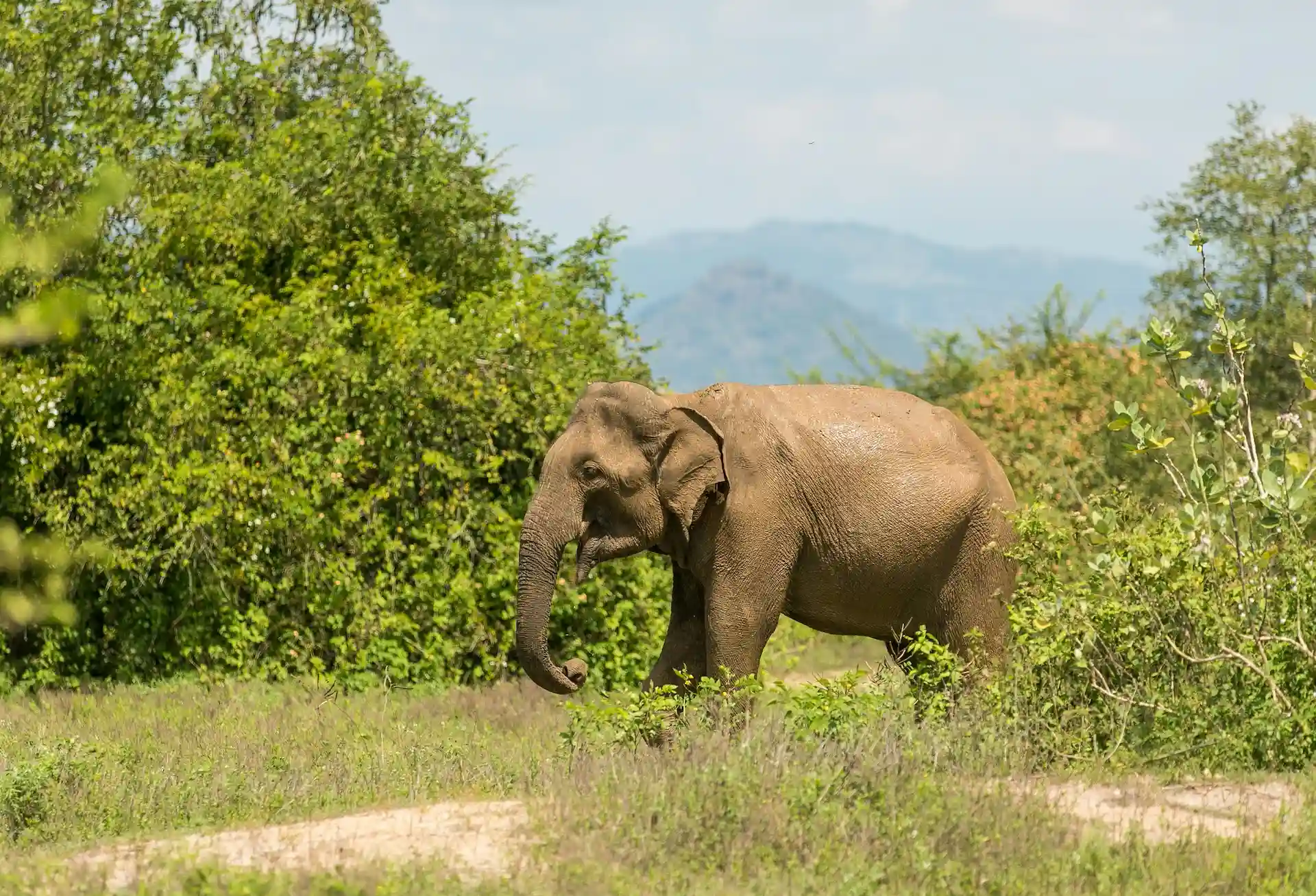
Yala is also home to wild Asian elephants, one of Sri Lanka’s most impressive native mammals.
Elephants may be encountered travelling through forest, feeding near open vegetation or gathering around water sources.
Their movements change with the availability of food and water, particularly during different seasonal conditions.
Visitors may sometimes see solitary elephants, while other encounters involve family groups with younger animals.
Watching elephants move naturally through the landscape can be one of the most rewarding parts of a Yala safari.
However, these are powerful wild animals that require substantial space and respect.
Elephant Safety During a Safari
When encountering elephants, remain seated inside the safari jeep and follow the driver’s instructions.
Do not shout, make sudden movements or attempt to attract an elephant’s attention.
Never feed an elephant or encourage the driver to approach closely for photographs.
Extra care is needed around family groups and calves, as adult elephants may behave defensively when they feel threatened.
If an elephant approaches the vehicle, remain calm and allow the driver to manage the situation.
The same precautions apply to elephants encountered on roads around the wider Yala and Kataragama region.
Sloth Bears at Yala National Park
Sloth bears are among the most fascinating mammals found in Yala.
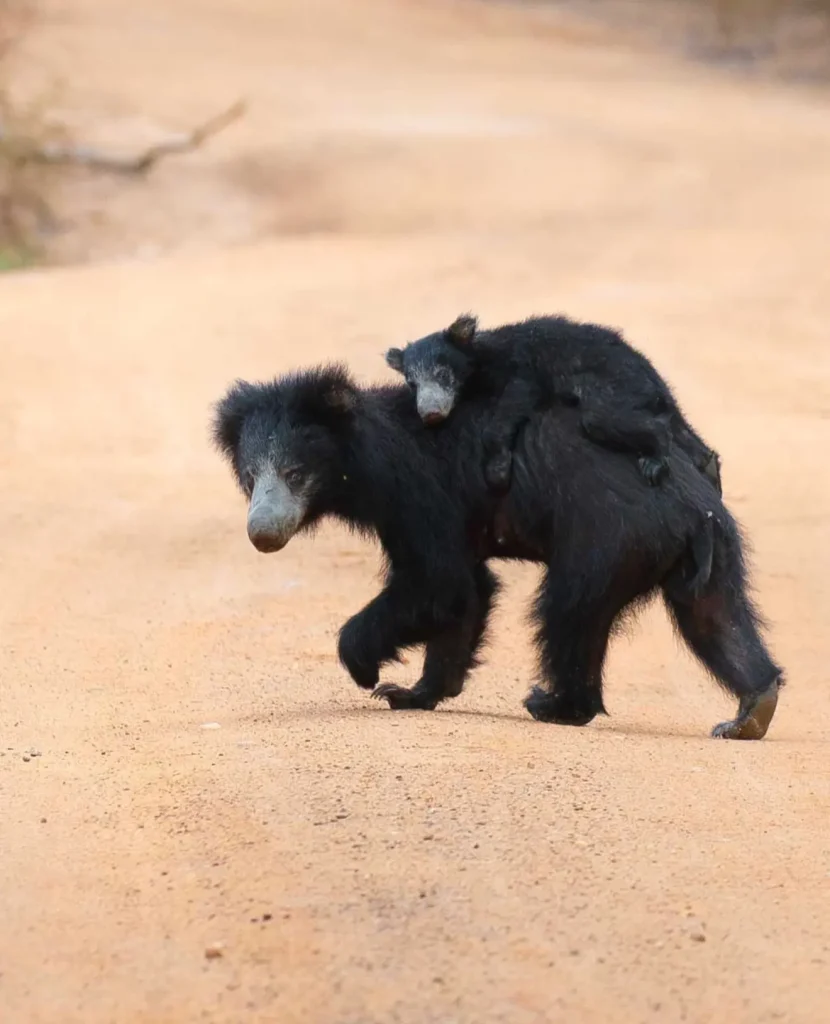
Photography: @pasan_senevirathne_photography/Instagram
These distinctive animals are adapted to feeding on insects, fruit and other natural food sources within the forest environment.
Visitors may occasionally see a sloth bear crossing a track, searching for food or moving through scrubland.
Their movements can be influenced by seasonal food availability, making encounters less predictable than sightings of some common grazing animals.
Spotting a wild sloth bear can be a memorable safari highlight.
However, like leopards, these animals cannot be expected to appear on demand.
Maintain a safe distance and allow the bear to continue its activities without disturbance.
Spotted Deer, Sambar and Wild Buffalo
Yala supports several herbivorous mammals that play important roles within the park’s ecosystems.
Spotted deer are among the most frequently observed animals, often appearing in groups around open vegetation and forest edges.
Sambar deer are larger and may be encountered near suitable feeding areas or water sources.
Wild buffalo are another striking feature of Yala’s landscape, sometimes visible around grasslands and wetlands.
These animals are an important part of the food web, supporting predators while helping shape the vegetation through grazing.
Observing their behaviour can provide valuable insight into the relationships between different wildlife species.
Other Mammals You May Encounter
Yala’s wildlife includes a range of smaller and medium-sized mammals beyond its best-known species.
Monkeys may be seen moving through trees or along forest edges.
Jackals can occasionally appear in open areas, while other mammals may be encountered depending on their natural behaviour and the conditions.
These species contribute to the park’s ecological diversity.
Rather than focusing exclusively on large mammals, take time to appreciate smaller animals and the role they play within Yala’s habitats.
Crocodiles, Lagoons and Waterholes
Yala’s wetlands provide important habitats for crocodiles and numerous aquatic species.
Crocodiles may be seen resting beside lagoons, moving through shallow water or remaining partly submerged near the bank.
They are powerful predators that can be difficult to notice when hidden in muddy or vegetated water.
Waterholes also attract birds, mammals and other wildlife, making them interesting places for observation.
Visitors must remain inside the safari vehicle except at stops specifically permitted under current park rules.
Never approach lagoon edges or waterholes independently.
Birdwatching at Yala National Park
Yala is an important birdwatching destination as well as a major mammal safari park.
Yala National Park is home to more than 200 recorded bird species, making it an important destination for birdwatching and conservation.
The mixture of forest, scrubland, grasslands, freshwater habitats and coastal wetlands supports an impressive range of birds.
Visitors may encounter eagles, other birds of prey, peafowl, kingfishers, herons, egrets and numerous waterbirds.
Bird activity can be particularly rewarding during the cooler morning hours.
A safari driver with good bird-identification knowledge can transform an ordinary wildlife drive into a more detailed nature experience.
Why Birdwatchers Should Bring Binoculars
Binoculars are among the most useful items for a Yala safari.
Many birds are too distant or well concealed to appreciate properly with the naked eye.
Binoculars allow visitors to recognise colours, markings and behaviour without asking the driver to move closer.
They are also useful for observing mammals at a respectful distance.
Visitors interested in birdwatching should tell their driver before entering the park so that suitable time can be spent around habitats where birds are active.
Understanding Yala’s Different Safari Blocks
Yala National Park is divided into several management blocks, with visitor access arranged through different entrances.
This division is important because not every safari uses the same route or enters the same part of the protected landscape.
The most familiar international safari experience is associated with Block 1, reached through the Palatupana side of the park.
Other blocks offer different terrain, wildlife habitats and visitor arrangements.
The Department of Wildlife Conservation manages access according to conservation requirements and operational conditions.
When booking, ask which block your safari will enter and which gate the operator intends to use.
Yala Block 1 and Palatupana Entrance
Yala Block 1 is the best-known safari area and attracts a large proportion of international visitors.
The Palatupana entrance is commonly used for safaris operating in this section of the park.
Block 1’s reputation is closely connected with leopard sightings and its variety of dry-zone habitats.
The landscape includes forest, scrubland, open areas, rocky formations and wetland features supporting different wildlife species.
However, its popularity also means that several safari vehicles may encounter the same animal at the same time.
Choosing a responsible driver is particularly important in this heavily visited part of Yala.
Other Yala Blocks and Entrances
Yala’s wider protected landscape includes blocks accessed through different routes, including areas associated with Galge.
These sections can offer alternative wildlife environments and different levels of visitor activity.
The specific blocks available for tourism depend on current Department of Wildlife Conservation management arrangements.
Not all blocks have identical access, facilities or visitor conditions.
A safari operator should explain which area you will visit and why it is suitable for the experience you want.
Always confirm the planned entrance rather than assuming every safari advertised as Yala uses the same gate.
Seasonal and Temporary Park Closures
Yala is a protected wildlife area, and access to individual blocks can change as part of conservation management.
Temporary closures may be introduced during drought, severe heat, road maintenance or periods when wildlife habitats require additional protection.
Such restrictions may affect selected blocks while other areas remain open for permitted visitor activities.
These measures are an important part of managing a national park that receives large numbers of tourists.
Travellers should check the applicable block and entrance arrangements before booking a safari, particularly when travelling during dry periods.
The latest information is available through the Department of Wildlife Conservation and authorised safari operators.
How to Book a Yala Safari
Most international travellers arrange their Yala safari through a local operator, accommodation provider or established safari company.
A safari booking normally involves a vehicle, driver and the required arrangements for entering the national park.
Before confirming a reservation, ask which block and entrance will be used and what the quoted price includes.
Some operators quote a combined package, while others separate jeep hire from national park admission and additional charges.
Confirm the intended safari duration, pickup location, number of passengers and vehicle arrangements.
Choosing an experienced operator who respects wildlife is more important than selecting the lowest advertised price.
Do You Need an Entrance Permit?
Yes. Yala National Park is managed by Sri Lanka’s Department of Wildlife Conservation, and visitors must enter under the applicable national park permit arrangements.
The department provides an official online Day Visitor ePermit reservation process.
Visitors using this service select the national park and visiting date, enter passenger and vehicle details, complete payment and retain the booking receipt for entry.
The system provides a receipt containing a QR code for use at the park entrance.
Many safari operators organise park admission on behalf of their customers.
Whichever arrangement you choose, confirm that the booking covers the correct park, date, vehicle and entry conditions.
Official booking information: Department of Wildlife Conservation Day Visitor ePermit.
How Much Does a Yala Safari Cost?
The total cost of a Yala safari depends on several factors, including the national park entrance charges, safari jeep hire, the number of passengers and the services included.
Private jeeps may cost more per person than shared arrangements, but can offer greater flexibility for wildlife observation and photography.
Additional charges may include applicable taxes, service fees, hotel transfers or guide arrangements.
Because official park fees can change, compare current quotations rather than relying on an old published total.
A clear safari quotation should identify what you are paying for and whether the national park entrance permit is included.
For official admission arrangements, consult the Department of Wildlife Conservation’s permit service.
Private Safari Jeep or Shared Safari?
Both private and shared jeep safaris are available through operators in the wider Yala region.
A private jeep gives your group greater flexibility over the experience, within the park’s permitted routes and operating requirements.
This can be particularly useful for serious wildlife photographers, birdwatchers and travellers who prefer longer observation stops.
A shared safari can reduce the cost per person and may be suitable for independent travellers or small groups.
However, sharing means different passengers may have different priorities.
Before booking, establish the maximum number of passengers, seating arrangement and whether everyone has a suitable view from the vehicle.
Regardless of the format, the jeep must comply with the relevant carrying-capacity and safety requirements.
Choosing a Responsible Safari Driver
The driver has an enormous influence on the quality of a Yala safari.
A knowledgeable driver understands the habitats, tracks, wildlife behaviour and park rules.
They should be able to identify animals, explain interesting behaviour and position the vehicle without disturbing wildlife.
A responsible driver also understands when it is appropriate to move away from an overcrowded sighting.
Ask whether the safari vehicle and driver meet the current registration, training and licensing requirements for entering Yala.
Professional driving, respectful wildlife distances and good communication are more important than promises of particular animal sightings.
What Should You Ask Before Booking?
Before paying for a Yala safari, confirm the essential details of the experience.
- Which Yala block and entrance will be used?
- Does the quoted price include the national park permit?
- Is the jeep private or shared?
- How many passengers will travel in the vehicle?
- Are the driver and vehicle appropriately authorised?
- How long will the safari last?
- Does the package include accommodation pickup?
- How does the driver handle crowded wildlife sightings?
- What happens if the planned park block closes?
These questions help you compare operators fairly and understand exactly what your safari booking provides.
Half-Day Safari or Full-Day Safari?
Yala offers different safari durations, with half-day and full-day experiences among the most common arrangements.
A half-day safari is suitable for most first-time visitors who want several hours of wildlife observation without spending the entire day inside a jeep.
A full-day safari provides more time to explore permitted routes and observe wildlife at a slower pace.
However, a full day also involves additional heat, dust and extended periods sitting inside a vehicle.
The longer experience is particularly attractive to dedicated birdwatchers, photographers and wildlife enthusiasts who genuinely enjoy observing nature for extended periods.
More time does not guarantee a leopard sighting.
Is a Half-Day Safari Enough?
For many international travellers, one well-organised half-day safari provides an excellent introduction to Yala National Park.
It allows time to experience the park’s landscapes, observe different animals and appreciate the atmosphere of a wildlife safari.
A half-day visit is also less physically tiring than remaining in an open jeep throughout the heat of the day.
Travellers should choose a responsible operator and appropriate park block rather than assuming that a longer tour automatically provides a better experience.
Those with a particular interest in wildlife behaviour or photography may prefer a longer session.
Morning Safari or Afternoon Safari?
Both morning and afternoon safaris can provide rewarding wildlife encounters.
Morning safaris offer cooler temperatures, softer light and opportunities to observe birds and animals active during the early hours.
Afternoon safaris can also be productive as temperatures ease and wildlife moves through feeding areas or approaches water sources.
Neither period guarantees better leopard sightings.
The best choice depends on weather, the park block, recent wildlife activity and your personal interests.
For first-time visitors, a morning safari is particularly attractive because of the comfortable temperatures and light conditions.
Best Time of Year to Visit Yala
Yala experiences seasonal changes in rainfall, vegetation and water availability.
During drier periods, animals may become more concentrated around remaining water sources, sometimes making wildlife observation easier.
February to July is generally a favourable period for visiting Yala, with drier conditions often making wildlife easier to observe around water sources.
Rain can make the landscape greener and change wildlife movement patterns, while prolonged dry conditions can affect roads and park operations.
Yala’s different habitats remain important throughout the year, and wildlife behaviour is influenced by more than the calendar alone.
When choosing travel dates, consider both seasonal conditions and any current conservation-related access restrictions.
Jeep Crowding at Leopard Sightings
Vehicle crowding is one of the greatest challenges associated with popular wildlife safaris in Yala.
When a leopard or another sought-after animal is reported, several jeeps may arrive in the same area.
This can create congestion on narrow park tracks and disturb the animals being observed.
A responsible operator should avoid blocking the animal’s movement, surrounding it or accelerating dangerously towards a reported sighting.
Sometimes the better choice is to observe from farther away or continue exploring another part of the park.
Wildlife observation should never become a competition between drivers.
Why You Should Never Chase Wildlife
Chasing animals with safari vehicles is dangerous and damages the quality of the wildlife experience.
High-speed driving creates dust, increases the risk of accidents and can disturb animals moving through their natural habitat.
Repeatedly approaching an animal may cause stress or interrupt important behaviour such as resting, hunting or feeding.
Visitors should never pressure a driver to race towards a wildlife report or block an animal’s route.
The most rewarding encounters allow animals to determine how close they remain and when they move away.
Responsible wildlife tourism prioritises conservation and visitor safety over obtaining a photograph at any cost.
Wildlife Photography at Yala
Yala provides excellent opportunities for photographing mammals, birds and natural landscapes.
A camera with a telephoto or zoom lens is particularly useful because wildlife may be visible at a considerable distance.
Longer lenses allow photographers to capture natural behaviour without requiring the vehicle to approach too closely.
Keep flash switched off around wildlife and avoid making loud noises to attract an animal’s attention.
Photographs showing animals within their environment can be just as powerful as close-up portraits.
Do not ask the driver to reposition dangerously or block another vehicle to obtain a better camera angle.
Photographing Wildlife with a Smartphone
Visitors can enjoy taking photographs at Yala without carrying professional camera equipment.
Modern smartphones can capture attractive images of elephants, larger animals and the surrounding landscape when conditions are suitable.
For distant wildlife, excessive digital zoom can reduce image quality.
Instead, consider including the surrounding grasslands, trees or water in the composition.
Keep your phone secured because rough park tracks can cause sudden vehicle movement.
Never lean dangerously outside the jeep simply to obtain a closer photograph.
What to Wear on a Yala Safari
Comfortable, lightweight clothing is ideal for the warm climate around Yala.
Breathable shirts, trousers or shorts and suitable footwear make extended periods in a safari jeep more comfortable.
Neutral or subdued clothing colours are practical, although specialised safari clothing is not essential.
A secure hat and sunglasses can provide protection against sunshine and dust.
For early-morning departures, a light jacket or additional layer may be useful during the cooler first part of the journey.
Choose clothing that allows you to sit comfortably and move safely inside the vehicle.
What to Bring on a Yala Safari
A small bag containing essential items is usually sufficient for a half-day safari.
- Drinking water.
- Sunscreen and sunglasses.
- A hat that can be secured in the jeep.
- Binoculars for birds and distant wildlife.
- A camera or smartphone with sufficient battery.
- A scarf or buff for dust protection.
- A lightweight jacket for early mornings.
- Any essential personal medication.
- A small bag for rubbish.
Secure loose belongings before the vehicle begins travelling over rough tracks.
Avoid carrying unnecessary luggage or large quantities of food into the national park.
Safety Rules Inside the Safari Jeep
Wildlife safaris take place in an environment where large, powerful animals move freely.
Remain seated and follow the driver’s instructions, especially when animals are close to the vehicle.
Do not attempt to touch, feed or attract wildlife.
Keep your hands and personal belongings safely inside the vehicle when passing close to vegetation or animals.
Visitors may leave the vehicle only at locations and under conditions permitted by the park authorities.
Do not approach waterholes, lagoons or forest areas independently.
Respecting these rules protects visitors and reduces disturbance to the animals.
Visiting Yala with Children
Yala can be an exciting wildlife experience for families, particularly children who enjoy animals and nature.
However, safari drives require patience because animals may be difficult to find or remain far from the vehicle.
Explain beforehand that sightings are unpredictable and that a safari involves observing wildlife quietly.
Older children may enjoy learning about different species and using binoculars.
For younger children, a half-day safari is generally more manageable than a full-day excursion.
Children must remain seated and supervised throughout the drive, especially when large animals are nearby.
Accessibility and Visitor Comfort
Yala safaris involve travelling along natural park tracks in vehicles that may experience considerable movement over uneven ground.
Visitors with reduced mobility should discuss the vehicle design, boarding arrangements and seating comfort with the operator before booking.
Some safari jeeps have higher steps or require assistance when entering and leaving the vehicle.
Longer sessions can also be tiring for people who find extended sitting uncomfortable.
A private jeep may provide greater flexibility over stops and the pace of the experience.
Travellers should choose an operator able to accommodate their practical needs safely.
Where to Stay for a Yala Safari
Several locations provide convenient accommodation for travellers visiting Yala National Park.
Tissamaharama is one of the most practical bases, offering a broad selection of guesthouses, hotels, restaurants and safari operators.
Kirinda appeals to travellers seeking a quieter coastal environment within reach of some park approaches.
Kataragama is another useful base, particularly for visitors interested in the area’s religious and cultural attractions.
Safari lodges located closer to park entrances can reduce early-morning travel time, although they may be more isolated from shops and restaurants.
Before selecting accommodation, confirm which park entrance your safari will use.
Why Tissamaharama Is a Popular Safari Base
Tissamaharama, often shortened to Tissa, is a well-established gateway for visitors exploring Yala.
The town has a wide range of accommodation, local restaurants and businesses offering safari transport.
Its practical facilities make it particularly convenient for international travellers visiting Yala for the first time.
Safari operators commonly arrange hotel pickups and transfers towards the park entrance.
Staying in Tissa also provides access to ordinary town services before and after the safari.
Confirm the expected pickup time and road journey to the designated entrance when making your booking.
Getting to Yala Without Renting a Car
International travellers do not need to rent a car to enjoy a Yala safari.
Most visitors arrange transport from their accommodation through an established safari operator.
Public buses connect towns such as Tissamaharama with other parts of Sri Lanka, although they do not replace the need for appropriate safari transport inside the national park.
Visitors arriving from the south coast or hill country can use private transfers, taxis or available public transport connections to reach their chosen accommodation base.
For journeys arranged independently, agree the tuk-tuk or driver fare before travelling.
Using accommodation close to your intended park entrance can make early safari departures more comfortable.
Yala Safari or Udawalawe Safari?
Yala and Udawalawe are two of Sri Lanka’s most popular national parks, but they provide different wildlife experiences.
Yala National Park is particularly attractive for travellers interested in the possibility of seeing leopards, alongside elephants, sloth bears, crocodiles and diverse birdlife.
Udawalawe National Park is especially well known for wild elephants and has open landscapes that can make elephant observation particularly rewarding.
Yala’s varied habitats and predator-focused reputation may appeal to visitors seeking a broad safari experience.
Udawalawe may be the preferred choice for travellers whose main interest is watching elephants.
Neither park guarantees sightings of a particular animal.
The Importance of Responsible Wildlife Tourism
Yala is one of Sri Lanka’s most heavily visited wildlife destinations, making responsible tourism particularly important.
High visitor numbers create pressure on park roads, habitats and animals.
Visitors can help reduce these impacts by choosing operators who respect speed limits, follow designated tracks and maintain appropriate distances from wildlife.
Do not ask drivers to chase animals, surround a leopard or remain at an overcrowded sighting.
Never feed wildlife or leave rubbish inside the national park.
A responsible safari supports the conservation purpose of Yala while giving visitors the opportunity to appreciate animals in their natural environment.
Is a Yala Safari Worth It?
Absolutely. Yala National Park is one of Sri Lanka’s most rewarding wildlife destinations, offering an exceptional combination of animals, scenery and natural habitats.
The possibility of observing a wild Sri Lankan leopard is an extraordinary attraction, but Yala’s value extends far beyond a single species.
Elephants, sloth bears, deer, crocodiles and numerous birds contribute to a diverse and memorable safari environment.
The experience becomes even more rewarding when visitors focus on natural animal behaviour rather than treating wildlife sightings as a checklist.
Choose a knowledgeable, responsible driver, understand the park entrance arrangements and allow wildlife to move without disturbance.
For international travellers, Yala offers an unforgettable opportunity to experience Sri Lanka’s wild landscapes while supporting the importance of protecting them.