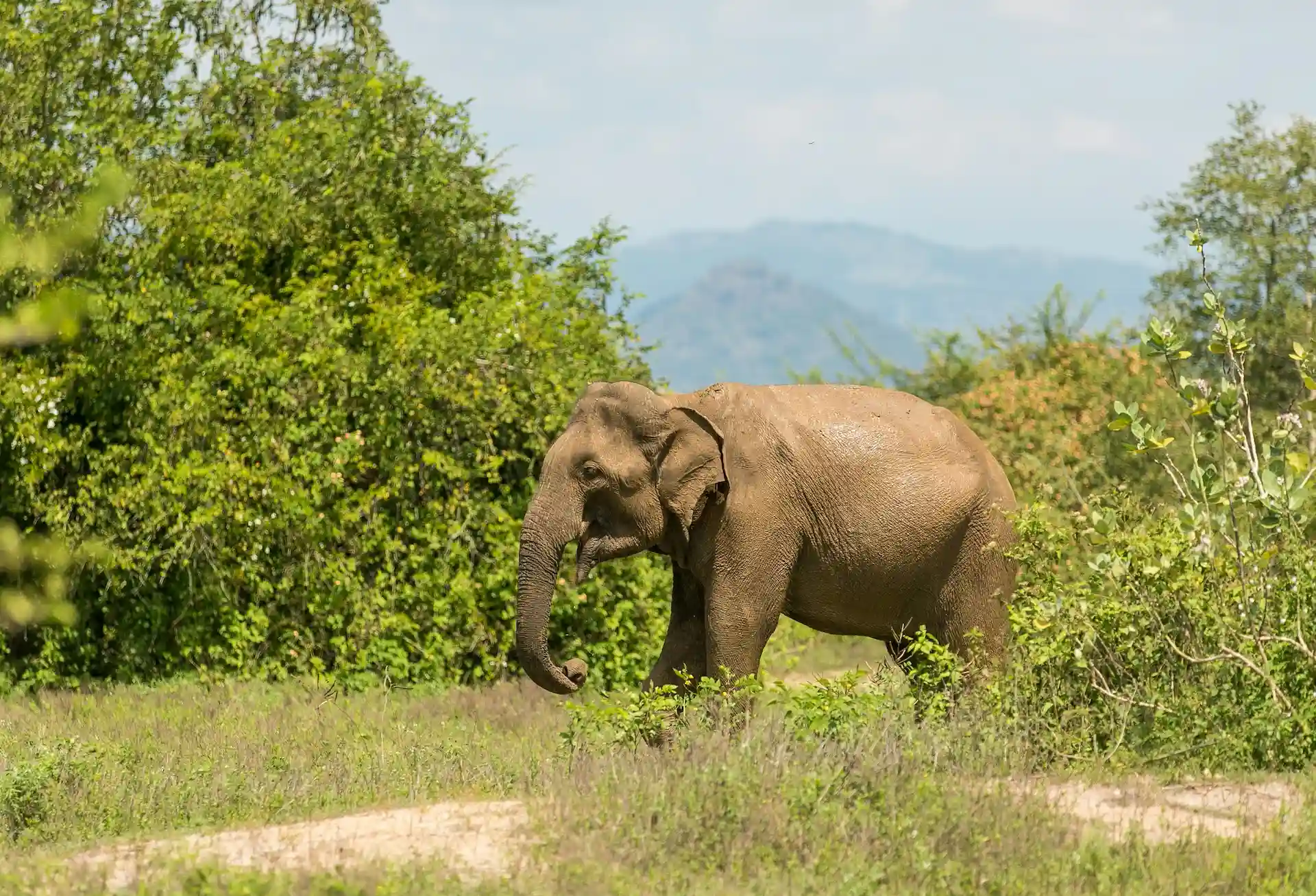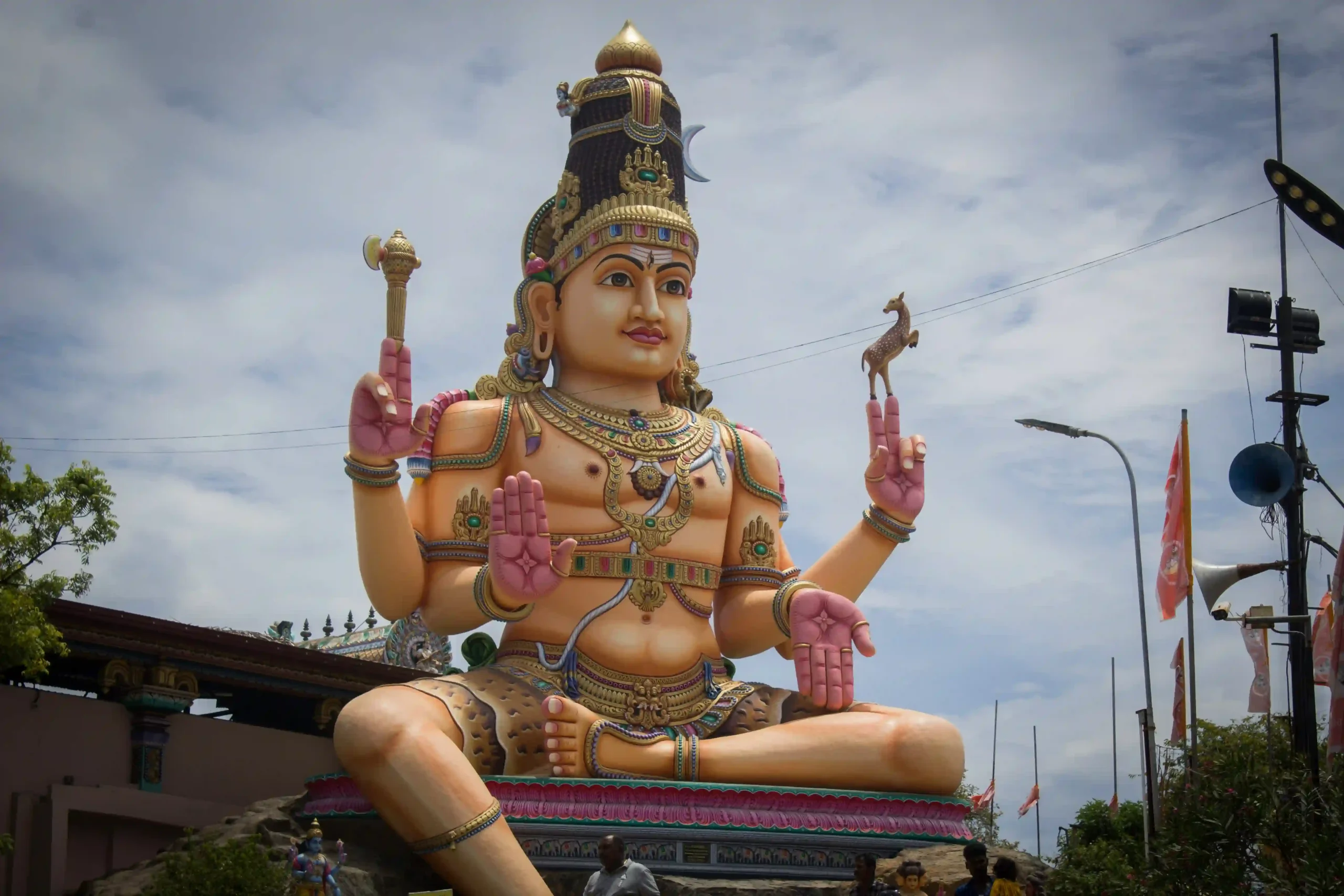
Discover two of northern Sri Lanka’s most fascinating islands, where sacred Hindu and Buddhist temples, free-roaming ponies, coral-stone landscapes and centuries of history offer contrasting experiences beyond the Jaffna Peninsula.
Nainativu and Delft are both accessible by ferry from the islands west of Jaffna, yet each has its own distinctive character. Nainativu is celebrated for its religious heritage and pilgrimage traditions, while Delft offers remote scenery, historic ruins and an unusual natural environment.
This guide compares the two islands and explains how to reach them, what to see and which destination best suits your travel plans.
For more information about the surrounding region, explore our Jaffna Destination Guide.
Starting point: Jaffna, via Kurikadduwan Jetty
Nainativu: Best for temples, pilgrimage and cultural heritage
Delft: Best for wildlife, historic ruins and remote landscapes
Time needed: Half to full day for Nainativu; full day for Delft
Best time to visit: Early morning, in suitable sea conditions
Getting around: Ferry, walking and locally arranged transport
Sacred islands and wild coral landscapes
Nainativu or Delft: Which Island Should You Visit?
Nainativu and Delft offer two distinctive ways to explore the islands surrounding northern Sri Lanka.
Nainativu is the better choice for travellers interested in religious culture, historic temples and a relatively straightforward island excursion. Its principal attractions are concentrated within a small area, making it convenient to explore on foot or by local transport.
Delft, also known as Neduntivu, is ideal for visitors who enjoy remote landscapes, wildlife and unusual historical sites. Its free-roaming ponies, coral-stone walls, ancient baobab tree and scattered colonial remains create an experience unlike anywhere else in Sri Lanka.
The differences extend to the journey itself. Nainativu involves a short ferry crossing, while Delft requires a longer sea journey and additional transport around the island.
For travellers with limited time, Nainativu offers a convenient introduction to the Jaffna islands. Those seeking a more adventurous day of exploration will find Delft particularly rewarding.
How to Reach Nainativu and Delft from Jaffna
Both islands are reached through Kurikadduwan Jetty, located on Pungudutivu Island, west of the Jaffna Peninsula.
The road journey from central Jaffna crosses a series of causeways connecting the low-lying islands.
Along the way, travellers pass fishing settlements, shallow coastal waters, palmyrah palms and open views of the surrounding island landscape.
Allow approximately one hour to reach Kurikadduwan from central Jaffna.
By Public Bus
Local buses connect Jaffna with the Kurikadduwan area.
Bus route 776 serves this corridor, providing an economical option for travellers using public transport.
The journey offers an opportunity to experience everyday life across the islands, although services may be crowded during busy pilgrimage periods.
Carry Sri Lankan rupees in cash and allow additional time to reach the jetty before your intended ferry departure.
By Tuk-Tuk or Private Vehicle
A tuk-tuk or private car provides greater flexibility, particularly for travellers planning an early departure.
Local drivers can take visitors directly to Kurikadduwan Jetty and arrange a return journey after the island visit.
Agree on the total fare, waiting arrangements and collection time before departing.
A private transfer is especially convenient for families and travellers carrying photography equipment or other belongings.
Ferry Services to Nainativu and Delft
Passenger ferries connect Kurikadduwan with both islands, but the crossing times and sailing frequency differ.
Ferry to Nainativu
The ferry crossing to Nainativu generally takes around 15 minutes.
Boats carry pilgrims, local residents and visitors travelling to the island’s important religious sites.
Services are more frequent than those to Delft, making Nainativu convenient for a half-day excursion from Jaffna.
During major religious festivals, passenger numbers can increase considerably.
Ferry to Delft
The crossing to Delft takes approximately 50–60 minutes, depending on the vessel and sea conditions.
Ferry services operate on a limited schedule, making departure and return arrangements an important part of planning.
For a day trip, an early sailing provides more time to explore the island before returning to the mainland.
Confirm the return departure at the jetty before boarding, and allow sufficient time to travel back from Delft’s attractions.
Ferry Safety
Weather, wind and sea conditions influence ferry operations across the Jaffna islands.
Follow the crew’s boarding instructions, use an appropriate life jacket and keep personal belongings secure during the crossing.
A waterproof bag is useful for protecting phones, cameras and travel documents.
Choose established passenger services and avoid travelling when operators advise against sailing because of unsafe conditions.
Nainativu: Sri Lanka’s Sacred Pilgrimage Island
Nainativu is one of northern Sri Lanka’s most important religious destinations, attracting Hindu and Buddhist pilgrims throughout the year.
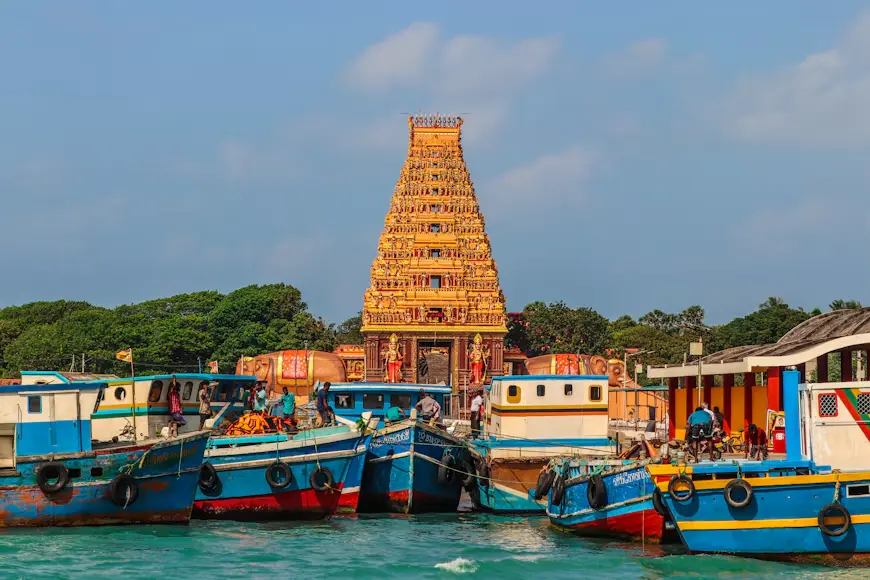
The island is home to two significant places of worship: Nagapooshani Amman Kovil and Nagadeepa Purana Viharaya.
Their presence reflects the rich spiritual traditions and religious diversity associated with the Jaffna region.
Despite its small size, Nainativu offers an enriching cultural experience, with colourful temple architecture, ceremonial traditions and a strong sense of religious heritage.
Nagapooshani Amman Kovil
Nagapooshani Amman Kovil is one of Sri Lanka’s prominent Hindu temples, dedicated to the goddess Nagapooshani, a manifestation of Parvati.
The temple is celebrated for its colourful Dravidian architecture, elaborately decorated towers and important religious ceremonies.
It is particularly significant during the annual Aani festival, when large numbers of devotees gather for processions, rituals and celebrations.
The temple’s striking entrance tower and richly decorated structures make it one of the most recognisable landmarks on Nainativu.
Visitors can appreciate the architecture and experience the devotional atmosphere while respecting the temple’s religious practices.
Nagadeepa Purana Viharaya
Nagadeepa Purana Viharaya is an important Buddhist pilgrimage site associated with one of the traditional visits of the Buddha to Sri Lanka.
According to Buddhist tradition, the Buddha visited Nagadeepa to resolve a dispute between two Naga rulers, Mahodara and Chulodara, over a valuable throne.
The site is recognised among Sri Lanka’s sixteen sacred Buddhist places of worship.
Today, the temple complex includes a stupa, shrine buildings and sacred areas visited by pilgrims from across the country.
Its peaceful setting and religious importance make it a meaningful destination for visitors interested in Sri Lanka’s Buddhist heritage.
Exploring Nainativu and Temple Etiquette
Nainativu is relatively compact, with its principal religious sites located within a short distance of each other.
Visitors can explore the main pilgrimage areas on foot, while local transport may be available for those who prefer to minimise walking.
Allow approximately two to three hours on the island to appreciate both temples, excluding road and ferry journeys.
Respectful Temple Visiting
Both temples remain active places of worship, and respectful behaviour is essential.
Wear clothing that covers the shoulders and knees, remove footwear where instructed and follow the individual temple’s entry requirements.
Photography restrictions may apply within religious buildings and worship areas.
Avoid interrupting ceremonies or taking close-up photographs of devotees without permission.
During festivals and other busy religious periods, allow additional time and give priority to pilgrims participating in worship.
Delft Island: Remote Landscapes and Colonial Heritage
Delft Island offers a completely different experience from Nainativu.
Located further from the Jaffna Peninsula, Delft covers approximately 50 square kilometres and features a dry, relatively flat landscape shaped by coral formations, palmyrah vegetation and centuries of human settlement.
Also known as Neduntivu, the island has a distinctive character created by its open grasslands, traditional coral-stone boundary walls and historic remains.
The landscape reflects influences from different periods of Sri Lankan history, including Portuguese, Dutch and British colonial occupation.
Delft is particularly attractive to travellers interested in nature, photography and exploring places beyond Sri Lanka’s established tourist routes.
What to See on Delft Island
Delft’s principal attractions are spread across the island, making a locally arranged vehicle particularly useful.
Free-Roaming Ponies
The island’s free-roaming ponies are among its most distinctive attractions.
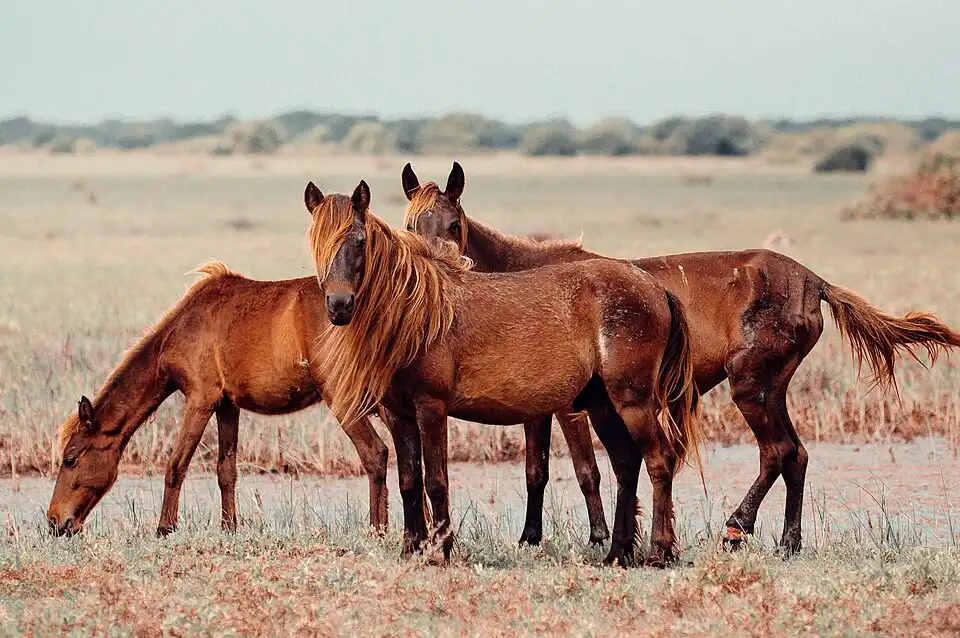
Photo: Shenal Sadurshan / Wikimedia Commons · CC BY-SA 4.0 · Edited and converted to WebP.
These animals are descended from horses introduced during European colonial rule and have become an important part of Delft’s cultural and natural landscape.
Visitors may see them grazing across open grassland and scrub-covered areas.
Their presence creates unusual photographic opportunities against the island’s dry terrain and scattered palmyrah trees.
Observe the animals from a respectful distance and avoid feeding, chasing or attempting to touch them.
Coral-Stone Walls and Traditional Landscapes
Coral-stone boundary walls are a defining feature of Delft.
Constructed using locally available material, these traditional walls separate fields, properties and village areas.
Their pale, textured appearance contributes to the island’s distinctive landscape.
Alongside the walls, visitors encounter small settlements, traditional homes and open countryside shaped by generations of island life.
These features provide an insight into how local communities have adapted to the island’s natural environment.
The Ancient Baobab Tree
Delft is home to a remarkable old baobab tree, traditionally associated with historic trading connections across the Indian Ocean.
Its enormous trunk and unusual shape stand out against the surrounding dry landscape.
The tree is one of the island’s best-known natural landmarks and a popular photography stop.
Its presence also reflects the long history of cultural and commercial connections between Sri Lanka and other regions.
Delft Fort and Colonial Ruins
Delft contains the remains of an old fort associated with Portuguese and Dutch colonial occupation.
Constructed using coral stone, the surviving structures provide evidence of the island’s former military and administrative importance.
The ruins include weathered walls and architectural remains that reveal the island’s historical connections with maritime trade and European colonial activity.
Visitors can appreciate the surviving structures from permitted areas while exploring their relationship with the surrounding landscape.
The Historic Pigeon House
Delft’s historic Pigeon House is another unusual reminder of the island’s colonial past.
The coral-stone structure is associated with the use of messenger pigeons for communication.
Its surviving architecture provides a fascinating glimpse into communication methods used before modern telecommunications.
The site is particularly interesting for visitors exploring Delft’s scattered colonial landmarks.
Queen’s Tower
Queen’s Tower is a historic coastal landmark associated with maritime navigation around Delft.
Its position reflects the importance of the island’s surrounding waters to shipping and navigation.
The tower and its exposed coastal setting offer attractive opportunities for photography.
Together with the fort and other historic structures, it contributes to Delft’s distinctive colonial heritage.
Getting Around Delft Island
Delft’s attractions are spread across a much larger area than those on Nainativu.
Exploring the island comfortably generally requires local transport.
Depending on local availability, visitors can travel using an island bus or arrange a vehicle for sightseeing.
Tractor-based transport has also traditionally been used for journeys between Delft’s main attractions.
A local driver or guide can help organise an efficient route covering the ponies, historic ruins, baobab tree and other notable landmarks.
Arrange the sightseeing route around your confirmed return ferry, allowing sufficient time to reach the jetty before departure.
Respect local residential areas, fishing activities and private property when exploring the island.
Best Time to Visit the Jaffna Islands
Northern Sri Lanka experiences a hot tropical climate, with strong sunshine and relatively dry conditions during much of the year.
February to September generally offers favourable weather for island exploration, although temperatures can be high.
Early-morning departures are particularly comfortable, allowing visitors to explore before the strongest afternoon heat.
Weather and Sea Conditions
The northeast monsoon, generally affecting the region between October and January, can bring heavier rainfall, stronger winds and rougher seas.
Ferry crossings may be affected during unsettled conditions.
For Delft, choosing a day with calm seas is particularly important because of the longer crossing.
The islands also have limited shade in exposed areas, making sunscreen, drinking water and protective clothing essential throughout the year.
Visiting with Children and Accessibility
Nainativu is generally the easier option for families with younger children.
The short ferry journey and compact arrangement of its main attractions make it suitable for a relatively relaxed cultural visit.
Delft is more appropriate for families comfortable with longer journeys, warm weather and additional local transport.
Older children may particularly enjoy seeing the free-roaming ponies and exploring the island’s unusual landscapes.
For visitors with reduced mobility, ferry boarding and uneven jetty surfaces are important considerations on both islands.
Nainativu offers a more compact experience, while Delft’s widely separated attractions and uneven historical sites can present additional challenges.
Arranging local transport helps minimise walking and makes either visit more comfortable.
What to Bring for an Island Visit
The Jaffna islands are exposed to strong sunshine, and facilities can be limited away from the main settlements.
Carry sufficient drinking water, sunscreen, a hat, comfortable footwear and Sri Lankan rupees in cash.
A small snack is useful, particularly when travelling to Delft, where refreshment options may be limited.
Bring a fully charged phone and a waterproof bag for valuables during ferry crossings.
For Nainativu, carry modest clothing suitable for visiting Hindu and Buddhist temples.
Respect the environment by taking rubbish away from areas without suitable disposal facilities, and avoid removing shells, coral stones or historic materials.
Can You Visit Nainativu and Delft in One Day?
Both islands can be visited from Jaffna, but their different ferry arrangements make separate day trips the more comfortable choice.
Nainativu can usually be explored within a shorter period, allowing time to visit both major religious sites before returning to Jaffna.
Delft requires a longer crossing and additional travel between its scattered attractions.
Travellers planning to explore Delft should allow a full day and organise the return ferry before beginning sightseeing.
Those wishing to experience both islands will generally enjoy a more relaxed visit by allocating a separate day to each.
Which Jaffna Island Is Worth Visiting?
Nainativu and Delft are both rewarding destinations, offering contrasting experiences of northern Sri Lanka’s island heritage.
Choose Nainativu for its vibrant Hindu and Buddhist traditions, impressive temples and convenient access from Jaffna.
Choose Delft for its peaceful remote landscapes, free-roaming ponies, coral-stone architecture and fascinating colonial remains.
Whether your interests lie in religious heritage or exploring unusual island landscapes, both destinations offer memorable experiences beyond the Jaffna Peninsula.